What is mental vitality, and why does it decline?
Mental vitality refers to the brain’s ability to maintain stable cognitive performance over time: sustained concentration, working memory, decision-making, and resistance to mental fatigue. The main causes of its decline are:
- Chronic mental fatigue: depletion of neurotransmitter reserves (dopamine, norepinephrine, acetylcholine) due to excessive cognitive demands without sufficient recovery.
- Subclinical nutritional deficiencies: Deficiencies in iron, vitamins B3, B5, and B12, magnesium, and vitamin D3 impair neuronal energy metabolism without obvious clinical signs.
- Circadian rhythm imbalance: Insufficient exposure to natural light disrupts the sleep-wake cycle and reduces daytime serotonin levels.
- Chronic stress: Chronically elevated cortisol inhibits hippocampal neurogenesis and impairs attentional function over 6 to 12 months.
Rhodiola and maca: key adaptogens for mental alertness?
Two adaptogens stand out for their specific effects on mental alertness:
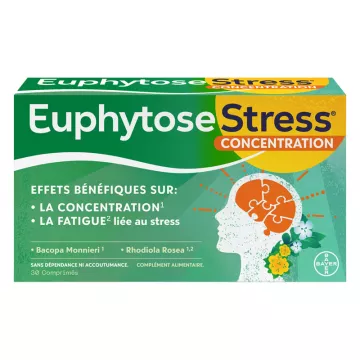
- Rhodiola rosea (rosavins + salidroside): reduces mental fatigue and improves attention and problem-solving under stress or sleep deprivation. Randomized studies show a 20% improvement in cognitive performance after 2 weeks in students during exam periods. Effects begin within 7 to 14 days, making it ideal for short-term, intense efforts.
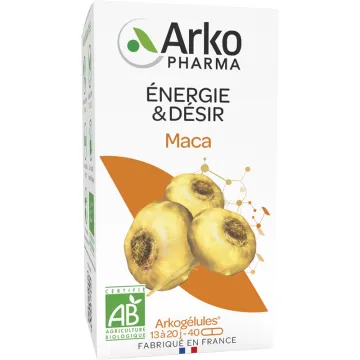
- Maca (Lepidium meyenii): an Andean plant whose macamides and macaridine modulate the HPA axis and the endocannabinoid system. Improves overall energy, mental clarity, and motivation—essential components of sustained mental alertness.
Does eleutherococcus support mental alertness?
Eleutherococcus (Eleutherococcus senticosus, Siberian ginseng) is the first adaptogen to have been pharmacologically defined. Its eleutherosides reduce basal cortisol levels and improve alertness and mental focus in people experiencing work-related stress. It differs from Panax ginseng in that it has a gentler effect and is better tolerated by people sensitive to stimulants—making it suitable for long-term supplementation over 3 to 6 months.
Is iron essential for mental alertness?
Iron is essential for mental alertness through two direct mechanisms:
- Cofactor for tyrosine hydroxylase (synthesis of dopamine and norepinephrine): a deficiency directly reduces these neurotransmitters involved in attention and motivation even before overt anemia develops.
- Oxygen transport to the brain via hemoglobin: low ferritin levels (subclinical anemia) reduce cerebral oxygenation, leading to mental fatigue and difficulty concentrating.
Iron deficiency is the most widespread deficiency worldwide and the most frequently overlooked among women of childbearing age and vegetarians. A ferritin test (not just a hemoglobin test) is recommended in cases of unexplained mental fatigue.
Are vitamins B3 and B5 essential for mental alertness?
Two lesser-known B vitamins play a key role in mental energy:
- Vitamin B3 (niacin): a precursor to NAD⁺ (nicotinamide adenine dinucleotide), the central coenzyme of the neuronal mitochondrial respiratory chain. NAD⁺ is also the substrate for sirtuins, which regulate neuronal aging. Research on NMN (a precursor to NAD⁺) in relation to cognitive aging is booming.
- Vitamin B5 (pantothenic acid): a precursor to coenzyme A, which is essential for acetylcholine synthesis. A deficiency reduces the availability of acetyl-CoA, limiting the production of acetylcholine in the prefrontal-hippocampal circuits essential for working memory and concentration.
Does natural light influence mental alertness?
Yes—natural light is a major circadian synchronizer. Its mechanism:
- Activation of blue-light-sensitive (480 nm) melanopsin-containing retinal ganglion cells: they transmit signals to the suprachiasmatic nucleus, the central biological clock.
- Stimulation of daytime serotonin: A 30-minute exposure to natural light in the morning increases serotonin synthesis in the brain, improving mood, alertness, and attention span for up to 8 hours afterward.
- Nighttime melatonin synchronization: Adequate exposure to light during the day improves sleep quality at night—a virtuous cycle that supports mental alertness the following day.