0
Menu

How can you better manage your impulsivity naturally?

Filter
Number of products : 11
Sort
Sort
Close
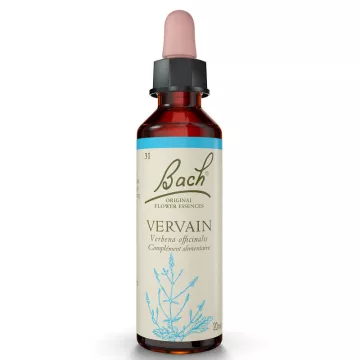
Bach Flower Remedies Verbena 20ml Original Vervain Bach Flower Remedies Verbena 20ml Original Vervain
€11.99
Shipped within 24h
Biofloral Bach Flower Remedies 6 Cherry Plum Alcohol-Free Granules Biofloral Bach Flower Remedies 6 Cherry Plum Alcohol-Free Granules
€9.95
Shipped within 24h
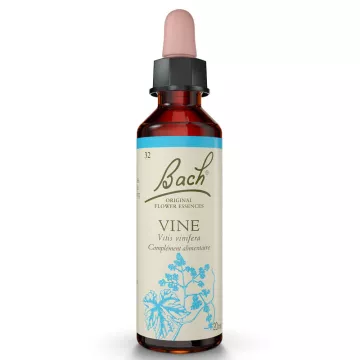
Bach Flower Remedies: Vine 20 ml Original Vine Bach Flower Remedies: Vine 20 ml Original Vine
€11.99
Shipped within 24h
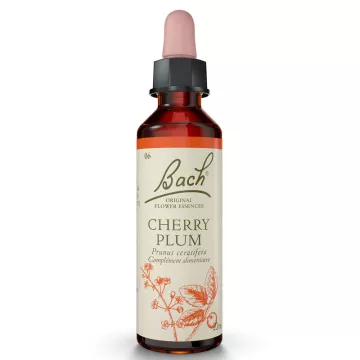
Bach Flower Remedies Plum 20 ml Original Cherry Plum Prunus Bach Flower Remedies Plum 20 ml Original Cherry Plum Prunus
€11.99
Shipped within 24h
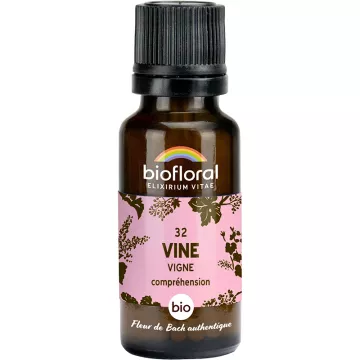
Biofloral Bach Flower Remedies 32 Vine Alcohol-Free Granules Biofloral Bach Flower Remedies 32 Vine Alcohol-Free Granules
€9.95
Shipped within 24h
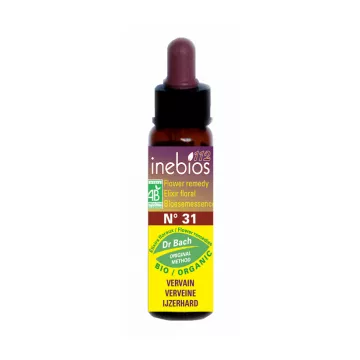
Bach Flower Remedies: Vervain 10 ml Inebios Vervain No. 31 Bach Flower Remedies: Vervain 10 ml Inebios Vervain No. 31
€4.89
Shipped within 24h
Biofloral Bach Flower Remedies 31 Vervain Alcohol-Free Granules Biofloral Bach Flower Remedies 31 Vervain Alcohol-Free Granules
€9.95
Shipped within 24h
Bach Flower Remedies Vine 10 ml Inebios Vine No. 32 Bach Flower Remedies Vine 10 ml Inebios Vine No. 32
€5.55
Shipped within 24h
ARGENTUM NITRICUM 200K 1000K Granules by Boiron Homeopathy ARGENTUM NITRICUM 200K 1000K Granules by Boiron Homeopathy
200 K 1 000 K / MK / 1MK
€5.30
Add to cart
In stock - preparation within 1 to 2 working days

What is impulsivity, and what neurological mechanisms underlie it?

Impulsivity is a tendency to act quickly under the influence of emotion or immediate desire, without pausing to think first—hasty decisions, compulsive shopping, difficulty following established rules, and disproportionate reactions to everyday situations. Neurologically, it results from an imbalance between two brain systems: the limbic system (the seat of emotions and immediate desires, including the amygdala and the dopaminergic reward system) and the prefrontal cortex (responsible for inhibition, planning, and behavioral regulation). When activity in the prefrontal cortex is weakened—by stress, fatigue, lack of sleep, or certain neurochemical imbalances—the limbic system takes over, and action precedes thought. Mindfulness meditation specifically strengthens this prefrontal regulation of the limbic system.

What biological and lifestyle factors influence impulsivity?

Several factors directly modulate the threshold for impulse control:

  • Dopamine: A dysregulated dopaminergic system (one that is hyperreactive or seeking stimulation) is associated with increased impulsivity—this is one of the neurochemical foundations of ADHD, where impulsivity is a cardinal symptom
  • Serotonin: A serotonin deficiency is associated with reduced impulse control and greater emotional reactivity—serotonergic regulation is a major therapeutic target for impulsivity
  • Sleep deprivation: Sleep deprivation directly reduces prefrontal cortex activity, measurably increasing impulsivity and irritability after just one night of insufficient sleep
  • Reactive hypoglycemia: Meals high in fast-acting sugars cause blood sugar spikes that temporarily impair impulse control and promote disproportionate reactions
  • Chronic stress: Elevated cortisol levels gradually deplete the cognitive resources necessary for behavioral inhibition, making impulse control increasingly difficult as the day progresses

When impulsivity is severe, has persisted since childhood, or is associated with attention disorders, it may indicate ADHD or bipolar disorder—an evaluation by a doctor or psychiatrist is then recommended, as these conditions require specific management that may include medication.

What natural supplements and strategies support impulse control?

From a neurochemical perspective, griffonia (5-HTP—a direct precursor to serotonin) supports mood regulation and may reduce impulsive emotional reactivity—absolute contraindication when used with SSRIs, SNRIs, tramadol, and St. John’s wort (risk of serotonin syndrome). Magnesium bisglycinate (300 mg/day) reduces neuronal hyperexcitability, which lowers the frustration tolerance threshold and promotes impulsive reactions. Omega-3 EPA-DHA (1 to 3 g/day) are essential structural components of neuronal membranes—several studies show a correlation between low omega-3 status and increased impulsivity, particularly in the context of ADHD.

From a behavioral perspective, several strategies are effective for strengthening impulse control in daily life:

  • Time-out technique: count to ten or take three deep breaths before reacting—this delay allows the prefrontal cortex to regain control over the limbic system’s impulsive reaction
  • Identifying triggers: Keeping a journal of the situations that precede impulsive behaviors helps anticipate them and implement preventive strategies
  • Regular physical activity: Exercise regulates dopamine and reduces stress, indirectly strengthening impulse control
  • A consistent sleep routine: Aiming for 7 to 9 hoursof sleep per night at regular times is one of the most effective ways to preserve prefrontal function

These natural approaches support mild to moderate functional impulsivity—severe impulsive behavior that is dangerous to oneself or others requires appropriate medical and psychological support.