Regular handwashing remains essential for preventing the spread of germs and infections. Hands are a primary vector for the transmission of microorganisms that can cause a variety of illnesses, ranging from the common cold to more contagious gastroenteritis. Strict hand hygiene significantly reduces the risk of infectious diseases.
It is recommended to wash your hands in the following situations:
For effective handwashing, follow these five steps:
Antibacterial soaps are not necessarily more effective than regular soaps. However, a soap enriched with moisturizing agents—such as a superfatted soap —helps prevent dry skin. Hand sanitizers are a practical alternative when soap and water are not available.
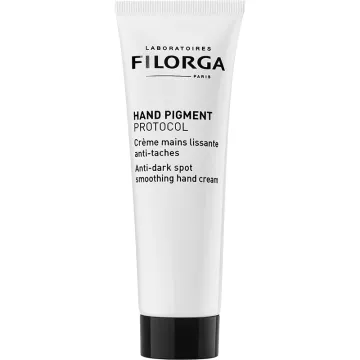
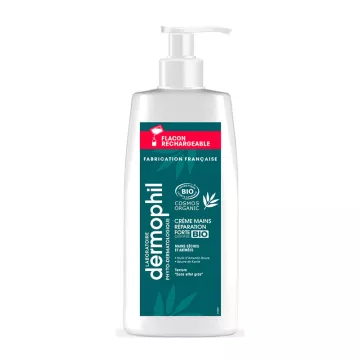
To prevent dry skin caused by frequent handwashing, choose mild soaps and regularly apply hand creams or moisturizing lotions specifically formulated for this purpose. Opt for alcohol-free products formulated with soothing ingredients like aloe vera or glycerin.
Alcohol-based hand sanitizer is an effective alternative when soap and water are not available. To be effective against most germs, the formula must contain at least 60% alcohol.
Hand sanitizers are less effective on visibly dirty or greasy hands. Furthermore, they do not neutralize all types of germs—some bacterial spores and viruses are resistant to them. In these situations, traditional handwashing with soap and water is still preferable.
Poor hand hygiene promotes the spread of infectious diseases and, in particular, increases the risk of respiratory and intestinal illnesses in both children and adults. It also contributes to antibiotic resistance by spreading resistantbacterial infections —a major public health concern.