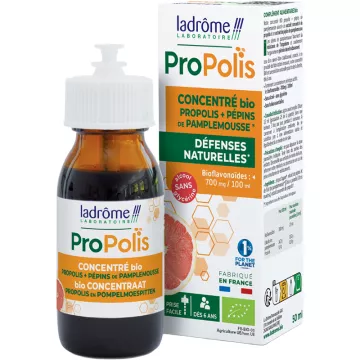
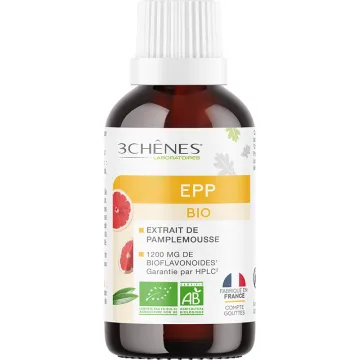
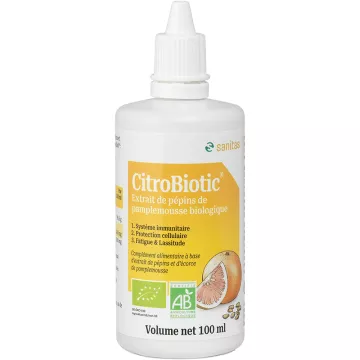
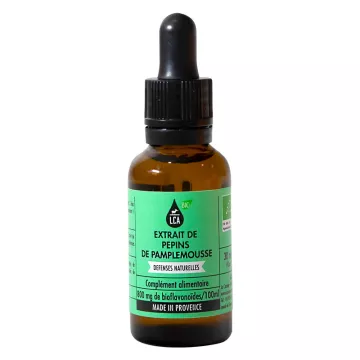
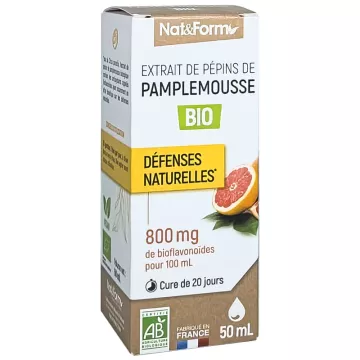
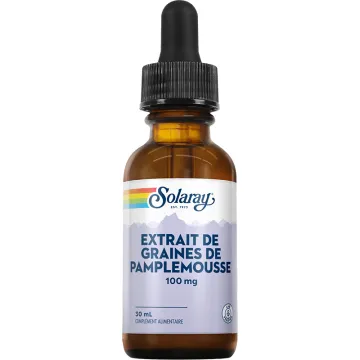
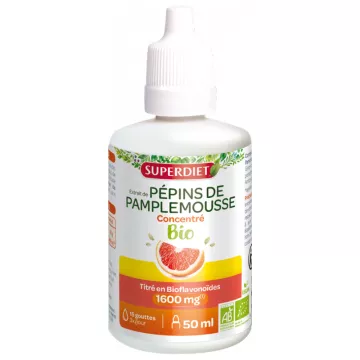
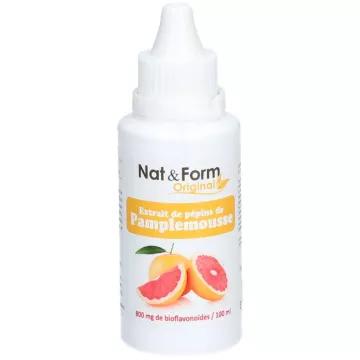
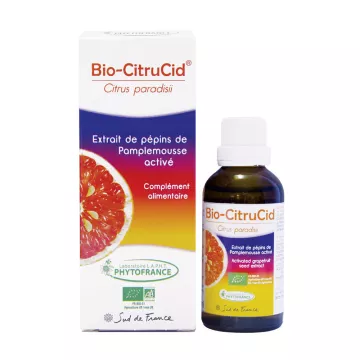
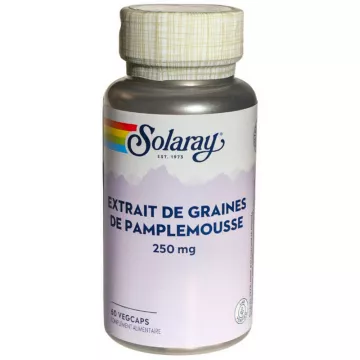
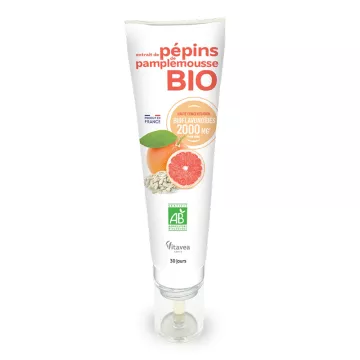
Grapefruit seed extract (Citrus paradisi, GSE) is a concentrate of bioflavonoids obtained by extracting the seeds and white pulp. Its active composition includes glycosylated flavonoids (hesperidin, naringin, narutoside) and their aglycone forms (naringenin, hesperetin), which possess powerful antimicrobial, antioxidant, and immunomodulatory properties.EPP is a broad-spectrum natural antiseptic—antibacterial (Gram-positive and Gram-negative), antifungal (Candida albicans), antiviral in vitro, and antiparasitic. Its main advantages over chemical antiseptics are the absence of documented resistance and excellent tolerance at standard therapeutic doses.
Gastrointestinal candidiasis (overgrowth of Candida albicans, promoted by antibiotics, chronic stress, or a high-sugar diet) is one of the best-documented indications for EPP. Its bioflavonoids inhibit the growth of Candida by disrupting the integrity of its cell membrane (ergosterol) and reducing its adhesion to intestinal epithelial cells. EPP should be taken in gradually increasing doses (5 to 20 drops diluted in a large glass of water, 3 times a day between meals) for 3- to 4-week treatment courses, along with a diet low in simple sugars. Digestive yeast infections (bloating, white tongue coating, fatigue, anal itching) require medical confirmation before any treatment is started.
EPP, like any natural antiseptic, has a non-selective effect on the gut flora —it reduces pathogens but may temporarily affect commensal bacteria. A course of EPP should therefore always be accompanied by probiotics (Lactobacillus acidophilus, Bifidobacterium longum, Saccharomyces boulardii) to repopulate the gut flora and prevent reinfection. The standard regimen is: EPP in the morning on an empty stomach + probiotics at bedtime, for 4 weeks. The combination of EPP and concentrated propolis enhances the antimicrobial mechanisms of action for broader coverage.
EPP has documented antibacterial activity against Escherichia coli, Proteus mirabilis, and Klebsiella pneumoniae—the main pathogens responsible for bacterial cystitis. When used preventively (5 to 10 drops morning and evening diluted in water), it reduces bacterial adhesion to the urothelial mucosa, a mechanism similar to that of cranberry proanthocyanidins. Its therapeutic use is limited to mild, uncomplicated cystitis—cystitis accompanied by fever, lower back pain, or that does not improve within 48–72 hours requires a urine culture and a medical consultation. EPP is often combined with cranberry and D-mannose in formulations designed to prevent recurrent urinary tract infections.
Drug interactions with EPP are the primary concern—naringenin inhibits cytochrome P450 3A4 (CYP3A4), a liver enzyme involved in the metabolism of many drugs, which can lead to a dangerous increase in their plasma concentrations:
These interactions are identical to those with grapefruit juice. EPP is contraindicated in patients taking medications metabolized by CYP3A4 and must be reported to the physician or pharmacist before any new prescription is issued. Intestinal fungal infections treated with azole antifungals (fluconazole, itraconazole) require careful evaluation before combining them with EPP.
EPP is also used topically as an oral antiseptic (a few drops in water for mouthwashes, gingivitis, canker sores, and oral Candida infections) and as a natural skin disinfectant (superficial wounds, interdigital erythema, early-stage onychomycosis). When rinsing fruits and vegetables, a few drops of EPP in the rinse water reduce surface bacterial and fungal contamination. These external uses do not carry the risk of drug interactions associated with oral administration—the bioavailability of bioflavonoids through the skin or mucous membranes at these concentrations is negligible. EPP is also used as a natural preservative in certain cosmetic formulations (Citrobiotics). It is still recommended to consult a healthcare professional before any prolonged oral self-medication, particularly in cases of chronic conditions or ongoing medication.