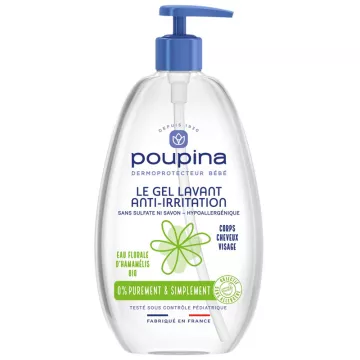
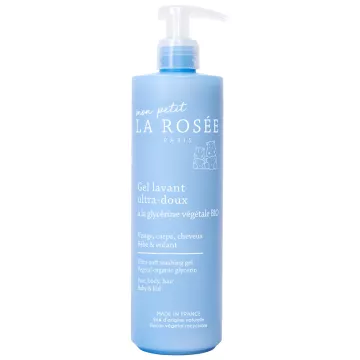
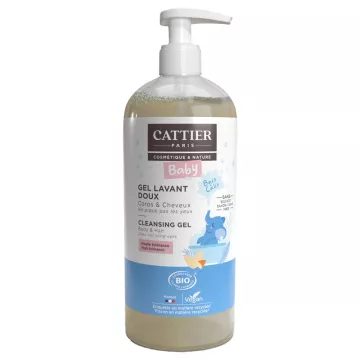
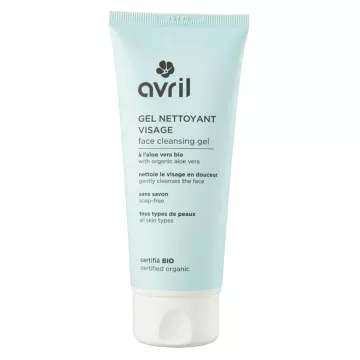
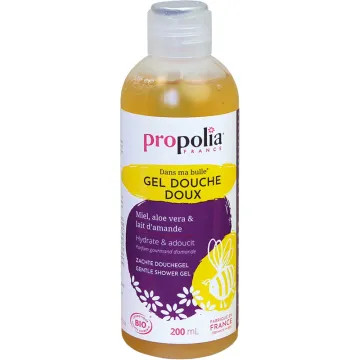
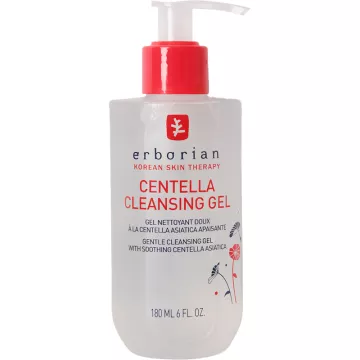
Gentle gel is a skin cleanser specially formulated to cleanse effectively while preserving the skin's natural moisture.
It is particularly suitable for people with sensitive, reactive, or irritation-prone skin.
Unlike some traditional soaps, the gentle gel does not contain concentrated sulfates or harsh ingredients, making it suitable for daily use.
To use, apply a small amount to damp skin, massage in gentle circular motions, rinse thoroughly with lukewarm water, then apply a suitable moisturizer; browse our facial cleansers section.
The benefits of the gentle gel for the skin revolve around three complementary areas:
Choosing the right gentle gel depends on several specific criteria:
The gentle gel can certainly replace your usual cleanser, especially if you’re looking to minimize irritation and preserve your skin’s moisture.
Its simple formula is designed for daily use and is often recommended by dermatologists for sensitive or reactive skin.
For people with eczema, rosacea, or atopic dermatitis, the gentle gel is a suitable daily option.
These chronic skin conditions require dermatological monitoring; the gentle gel complements medical treatment without replacing it, and our atopic skin section offers a targeted selection of products.
The gentle gel is generally versatile and can be used on various areas of the body.
Its gentle cleansing action is suitable for the face, more delicate areas (neck, décolletage), and the entire body for a simplified routine.
Some formulations are also suitable for intimate use; always check the manufacturer’s instructions for these specific areas.
For sensitive scalps, some gentle gels can even replace a traditional shampoo without irritating the hair shaft or scalp.
Incorporating a gentle gel into your skincare routine is simple and gradual.
Use it as a cleanser morning and night: in the morning to refresh the skin, and at night to remove impurities that have built up throughout the day.
Apply to damp skin, massage gently, rinse with lukewarm water, then pat dry with a clean towel.
Follow up with a toner (optional), a targeted serum, and a moisturizer suited to your skin type to lock in hydration.
The gentle gel stands out from other types of cleansers due to its formulation and skin tolerance.
Unlike alkaline soaps and cleansing gels with high concentrations of sulfates, gentle gel is formulated to preserve the skin’s hydrolipidic film.
Creamy cleansers and cleansing oils provide superior nourishment but can leave a residue that’s less desirable for combination to oily skin.
Gentle gel offers a good balance between effective cleansing and skin tolerance, making it particularly suitable for long-term daily use.
The gentle gel is perfectly suitable for people with oily skin or skin prone to breakouts.
It cleanses deeply without drying out the skin or stimulating compensatory sebum production, unlike cleansers that are too harsh.
For enhanced anti-blemish action, choose a gentle gel enriched with salicylic acid, zinc, or niacinamide.
Salicylic acid is not recommended for pregnant or breastfeeding women; if you havemoderate to severe acne, consult a dermatologist for an appropriate medical treatment.
There are several specific criteria for identifying a high-quality gentle gel:
Read the INCI list carefully and opt for formulas free of concentrated sulfates (SLS, SLES), parabens, and denatured alcohols.
Check for skin-beneficial active ingredients: soothing botanical extracts, vitamins, and moisturizing agents (glycerin, hyaluronic acid, panthenol).
Opt for products with recognized certifications (Ecocert, COSMOS, Cosmébio), as well as verified user reviews and recommendations from healthcare professionals.
A well-chosen gentle gel can be suitable for children thanks to its simple, non-irritating formula.
Opt for gels specifically formulated for children, whose skin is thinner, more permeable, and more sensitive than that of adults; explore our natural children’s skincare section.
Make sure the product is hypoallergenic, dermatologically tested, and free of harsh fragrances and unnecessary dyes.
For infants, choose products specifically formulated for pediatric use; if in doubt or if your child has particularly sensitive skin, consult your pediatrician or pharmacist and always perform a patch test before using the product extensively.