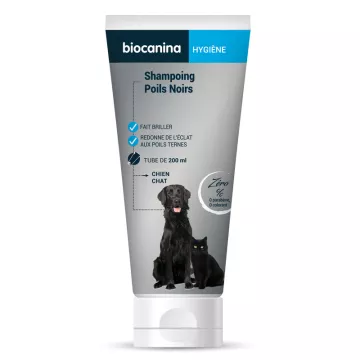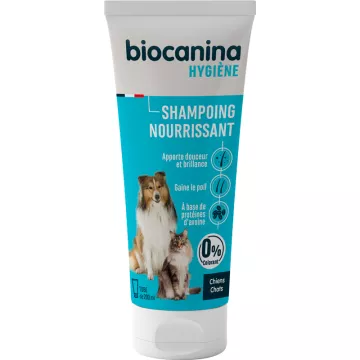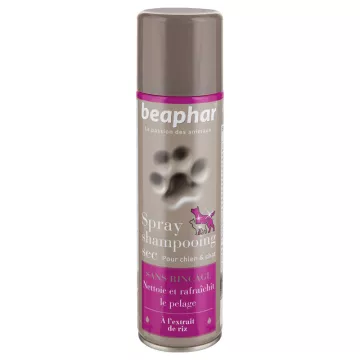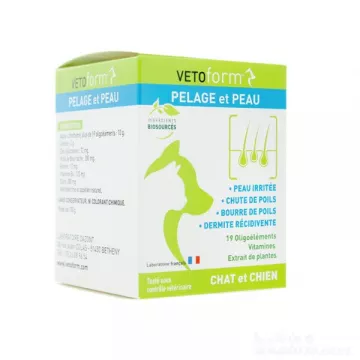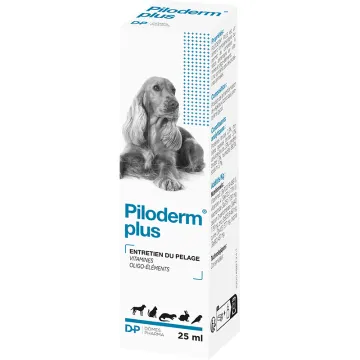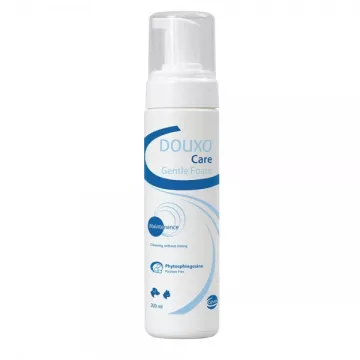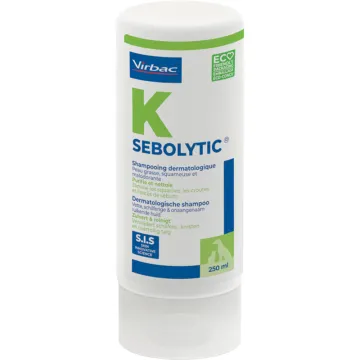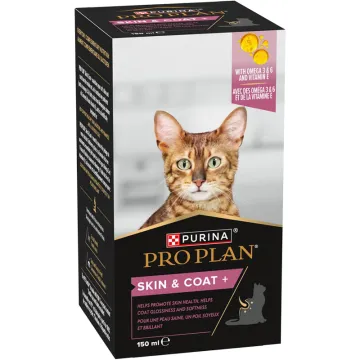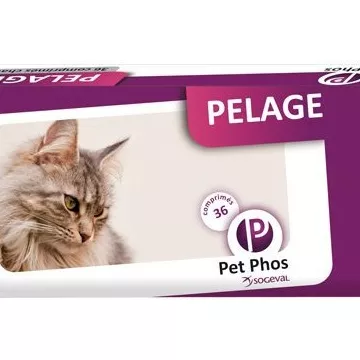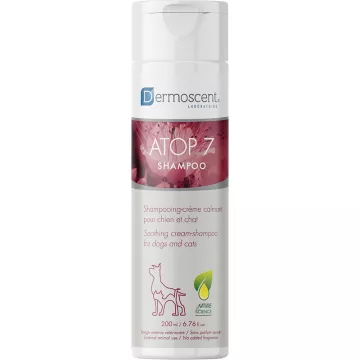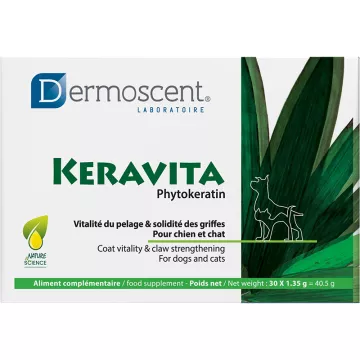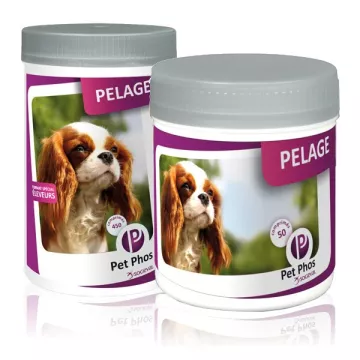
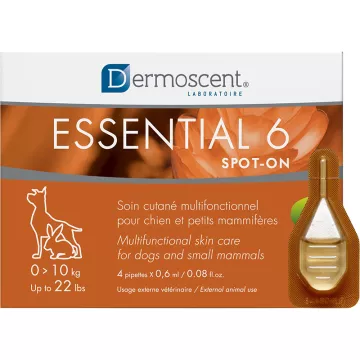
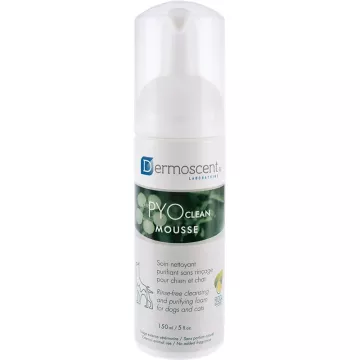
A dull coat in dogs or cats indicates a deficiency in the lipid layer that surrounds each hair shaft and gives it its natural shine. This layer is produced by the sebaceous glands and consists mainly of essential fatty acids—omega-3 (EPA, DHA) and omega-6 (linoleic acid, GLA). A diet low in polyunsaturated fatty acids, chronic stress, an active parasitic infection, or an underlying illness are the primary causes to investigate. Marine-derived omega-3s (EPA and DHA, from salmon oil or algae) are the most rapidly effective ingredients for enhancing coat shine and suppleness — they integrate into the membrane phospholipids of keratinocytes and reduce skin inflammation that impairs the quality of the hair shaft.
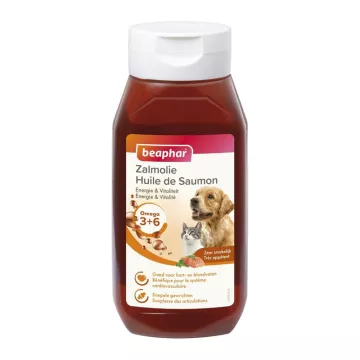
Salmon oil (rich in long-chain EPA and DHA) is the most widely used supplement for restoring shine and suppleness to the coat.EPA (eicosapentaenoic acid) is a precursor to anti-inflammatory eicosanoids—it reduces pro-inflammatory prostaglandins that impair skin quality. DHA integrates into skin cell membranes and improves their fluidity and resilience. The effective dose for dogs is generally 50 to 100 mg of EPA+DHA per kg of body weight per day—the effects on coat shine become visible after 4 to 8 weeks of continuous supplementation. When given as a liquid oral supplement poured over the food, compliance is excellent because the taste is highly appealing to carnivores.
Brewer’s yeast (inactivated Saccharomyces cerevisiae) is a natural concentrate of nutrients essential for the coat:
Brewer’s yeast tablets are very well accepted by dogs and cats, whether given directly by hand or sprinkled on their food bowl. The vitamin B12 present in ample quantities in the yeast supports rapid cell renewal in hair follicles.
Sulfur is a fundamental building block of keratin—sulfur-containing amino acids (methionine and cysteine) form disulfide bonds (S-S bonds) that give the hair shaft its rigidity, elasticity, and mechanical strength. A deficiency in organic sulfur results in a soft, brittle coat that lacks body and luster. MSM (methylsulfonylmethane, a bioavailable form of organic sulfur) is the most readily absorbed form—it is often combined with biotin in multi-ingredient “coat and skin” powders. The specialized coat and skin powder (to be sprinkled over the daily feed) is a practical alternative to tablets for animals that are difficult to medicate.
The synergy between different supplements is more effective than each active ingredient taken alone. The combination of salmon oil (omega-3 EPA/DHA) + brewer’s yeast (B vitamins + sulfur-containing amino acids + zinc) + biotin covers all the nutritional needs of the hair follicle. The minimum duration of a treatment course is 2 to 3 months—as the coat renewal cycle varies from 3 to 6 months depending on breed and season. Vitamin B6 (pyridoxine) is an essential cofactor in the metabolism of sulfur-containing amino acids—its presence in brewer’s yeast enhances the utilization of methionine and cysteine for keratin synthesis. Animals undergoing intense shedding, older animals, or those recovering from illness benefit most from these combined approaches.
A dull coat that does not improve after 2 to 3 months of properly administered nutritional supplementation should prompt a veterinary consultation. The most common underlying medical causes are hypothyroidism (dry, thick coat with no shedding, often associated with weight gain), Cushing’s syndrome (dull coat, symmetrical alopecia, distended abdomen), digestive enzyme deficiencies (malabsorption of fatty acids and micronutrients), or chronic intestinal parasitic infections. A blood work panel (complete blood count, electrolyte panel, T4, cortisol) and a fecal examination can help pinpoint the cause. Magnesium, which is often deficient in stressed animals or those on a diet low in plant matter, plays an indirect role in coat quality through its contribution to the metabolism of B vitamins and amino acids. Treating the underlying cause therefore makes supplementation more effective.