What is coverage, and how is it defined in the context of cosmetics?
Coverage refers to the ability of a cosmetic product, such as foundation or concealer, to conceal skin imperfections. High coverage means that the product is capable of covering noticeable imperfections such as scars, blemishes, and redness. There are different levels of coverage: light, medium, and full, with each type suited to specific makeup needs.
How do you choose the right level of coverage for your skin?
The choice of coverage level depends mainly on your skin type and the imperfections you want to conceal. For skin with few imperfections, light coverage may be sufficient. It provides a more natural look and allows the skin’s texture to show through. Medium coverage is ideal for evening out moderate discolorations without looking heavy on the face. Finally, full coverage is recommended for skin with more visible imperfections or for occasions requiring flawless, long-lasting makeup.
What are the best products for good coverage?
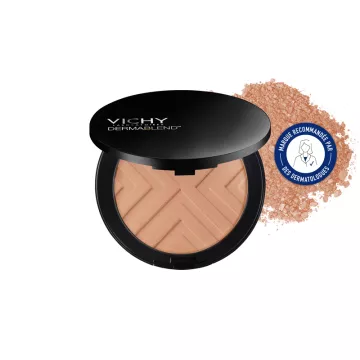
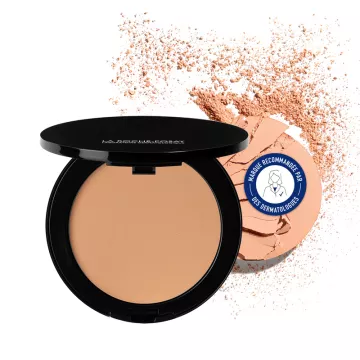
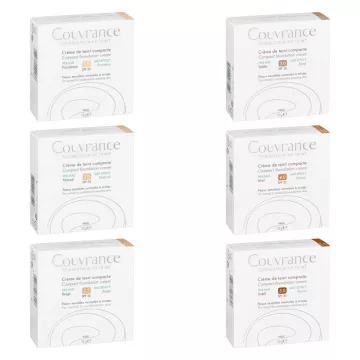
Products known for their high coverage include compact foundations, liquid foundations, and thick cream foundations. Some well-known brands offer formulas specifically designed for buildable coverage, allowing you to achieve the desired intensity. It’s advisable to read reviews, test samples, and look for products that incorporate skincare ingredients to benefit from both effective coverage and skin-nourishing benefits.
How do you apply a high-coverage product for a natural-looking result?
Applying a high-coverage product requires technique and precision to achieve a natural look. It is recommended to use high-quality makeup brushes or makeup sponges for even application. Always start with a small amount of product and add more as needed. Be sure to blend the foundation into your neck and ears to avoid visible lines.
What are the pitfalls to avoid with high-coverage products?
One of the main pitfalls is the “mask-like” effect caused by applying too much product. To avoid this, choose a shade that exactly matches your skin tone. Avoid layering on several thick coats and opt for moisturizing formulas that help preserve the skin’s elasticity and freshness. It’s also crucial to thoroughly cleanse your skin after using high-coverage products to prevent clogged pores.
How can you test the right level of coverage before buying?
To ensure you choose a product with the right coverage, it’s essential to test the product directly on your skin. Apply a small amount of product to your jawline to see how it blends with your natural skin tone in daylight. It’s also a good idea to leave the product on your skin for a few hours to see how well it lasts and whether it changes color after application (a phenomenon known as oxidation).
What ingredients should you look for in high-coverage products for sensitive skin?
People with sensitive skin should opt for hypoallergenic, high-coverage products that are fragrance-free, paraben-free, and non-comedogenic. Look for formulas enriched with soothing ingredients such as aloe, chamomile extract, or hyaluronic acid, which provide both effective coverage and hydration that respects the skin’s sensitivity.
Can you use high-coverage products every day?
It is possible to use high-coverage products daily, but it’s crucial to choose formulas specifically designed for regular use that don’t clog pores and allow the skin to breathe. Also, be sure to thoroughly cleanse your face every night to remove makeup residue and prevent skin issues such as breakouts and irritation.
How can you combine hydration and high coverage for dry skin?
For dry skin, it’s essential to combine hydration and coverage. Opt for makeup products enriched with moisturizing agents such as shea butter or jojoba oil. Always apply a moisturizer suited to your skin type before applying makeup to prepare the skin, and make sure the high-coverage product also has nourishing properties.
What techniques should you use to set high-coverage makeup?
To ensure your high-coverage makeup lasts all day, we recommend using a setting spray or setting powder after application. You can also apply a translucent loose powder to mattify and set the foundation without adding weight. These steps will help keep your makeup in place all day long, preventing transfer and smudging.