What types of skincare products are available?
Cosmetic skincare products fall into several broad categories, each addressing a specific skin need. The main categories are:
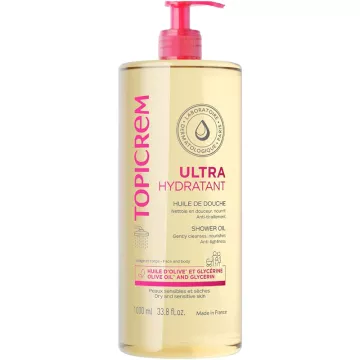
- Cleansers: These remove impurities, excess sebum, and makeup residue and come in the form of gels, foams, lotions, or oils.
- Exfoliants: These remove dead skin cells and can be mechanical (with granules) or chemical (based on alpha-hydroxy acids).
- Moisturizers: These maintain the skin’s moisture levels and come in the form of creams, lotions, or light emulsions.
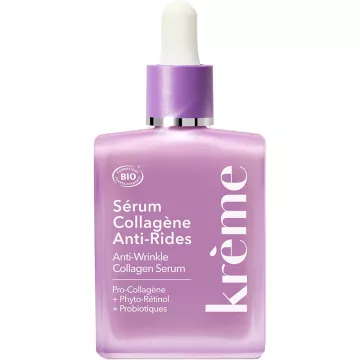
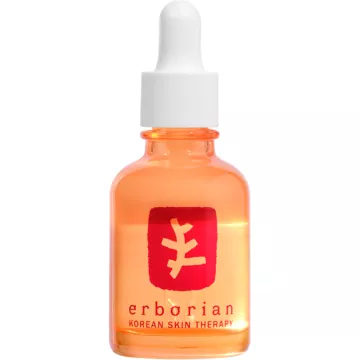
- Serums: Highly concentrated in active ingredients, they target specific concerns such as wrinkles, dark spots, or dehydration.
- Sunscreens: They protect against UV rays, which cause premature aging and certain types of skin cancer.
- Facemasks: They provide intensive, targeted treatment—hydrating, purifying, or anti-aging, depending on the formula.
How do you choose a skincare product that’s right for your skin?
Choosing the right skincare product is crucial to the effectiveness of your entire routine. Here are some guidelines by skin type:
- Dry skin: Opt for products rich in moisturizing and nourishing ingredients such as hyaluronic acid and plant oils.
- Oily skin: Opt for lightweight, non-comedogenic, and mattifying formulas containing salicylic acid or zinc.
- Sensitive skin: Look for hypoallergenic, fragrance-free products with soothing ingredients like chamomile or oats.
- Combination skin: Choose balancing products that hydrate without weighing down the T-zone; gel-creams are ideal.
- Mature skin: Look for anti-aging products enriched with retinol, peptides, and antioxidants.
What are the key ingredients in an effective skincare product?
Cosmetic active ingredients directly determine a product’s performance. Here are the most sought-after ones right now:
- Hyaluronic acid: It deeply hydrates and plumps the skin’s texture.
- Retinol: It stimulates collagen production and accelerates cell turnover.
- Vitamin C: a powerful antioxidant, it brightens the complexion and protects against environmental damage.
- Niacinamide: It improves skin texture, reduces redness, and visually minimizes pores.
- Peptides: They strengthen the skin’s structure and reduce the visible signs of aging.
- Alpha-hydroxy acids (AHAs): They gently exfoliate and improve the complexion’s radiance and texture.
How can you incorporate a skincare product into your daily routine?
To maximize the benefits of your skincare products, follow a structured five-step routine:
- Cleansing: Use a suitable cleanser morning and night to remove impurities and excess sebum.
- Toning: Apply a toner to rebalance the skin’s pH and prepare it for the next steps.
- Serum: Apply a targeted serum based on your top priorities (hydration, anti-aging, radiance).
- Moisturizing: Apply a moisturizer to lock in hydration and strengthen the skin barrier.
- Sun protection: Be sure to finish your morning routine with a sunscreen with SPF 30 or higher to minimize UV damage.
What are the long-term benefits of a regular skincare routine?
A well-established skincare routine offers numerous cumulative benefits over several years:
- Anti-aging: Regularly applied anti-aging products reduce the appearance of wrinkles and dark spots.
- Long-lasting hydration: Continuous hydration strengthens the skin barrier and reduces transepidermal water loss.
- Radiant complexion: Brightening and exfoliating products improve the skin’s radiance and evenness.
- Protection against environmental stressors: Antioxidants and sunscreens protect against UV rays and pollution.
- Improved skin texture: Gentle exfoliants and targeted serums refine skin texture and minimize imperfections.
By incorporating these steps into your daily routine, you can sustainably optimize your skin’s health and radiance while preventing the appearance of signs of skin aging.
What effects do skincare products have on the skin microbiome?
The skin microbiome consists of all the microorganisms that naturally live on the skin’s surface.
It plays an essential protective role against external aggressors and actively helps regulateskin inflammation.
Skincare products influence this microbiome in several ways:
- Gentle cleansers: Choose sulfate-free formulas that respect the skin barrier and maintain microbial balance.
- Products enriched with prebiotics and probiotics: these active ingredients nourish beneficial bacteria and support a balanced microbiome.
- Gentle exfoliants: Opt for mild acids like lactic or mandelic acid, which exfoliate without disrupting the skin’s flora.
- Formulas free of harsh preservatives: Limit the use of strong antibacterial agents that disrupt the balance of the microbiome.
Why is consistency essential for your skincare routine?
Consistent application directly determines the effectiveness of any skincare regimen. There are four main reasons for this:
- Cumulative effectiveness: Active ingredients like retinol and vitamin C reach their full effectiveness after several weeks of continuous use.
- Maintaining hydration: Daily application supports consistent hydration and strengthens the skin barrier.
- Continuous protection: Antioxidants and sunscreens protect the skin daily against UV rays and free radicals.
- Gradual improvement: Treatments for acne, dark spots, and wrinkles produce visible results only over time.
How can you adapt your skincare routine to environmental factors?
Environmental factors directly influence your choice of skincare routine:
- Climate: In cold climates, opt for rich, nourishing creams; in hot, humid climates, choose lightweight, non-comedogenic formulas.
- Pollution: Use skincare products containing antioxidants such as vitamin C or vitamin E to neutralize free radicals.
- Sun exposure: Sunscreen is essential year-round, and particularly crucial in regions with high UV exposure—use a broad-spectrum SPF 30 or higher.
What are some recent innovations in skincare?
The skincare industry is evolving rapidly, driven by scientific advances and the demand for more effective and sustainable products:
- Biomimetic peptides: These mimic natural biological processes to stimulate collagen production and improve skin elasticity.
- Active ingredient encapsulation: This technology gradually releases active ingredients, increasing their effectiveness and reducing the risk of irritation.
- Personalized skincare: Digital skin diagnostics enable the creation of customized routines tailored to individual needs.
- Eco-friendly ingredients: The industry is prioritizing biodegradable active ingredients sourced from sustainable supply chains and compatible with a zero-waste approach.
How can you recognize and treat a skin reaction?
Skin reactions to cosmetic products vary in intensity and mechanism:
- Irritation: redness, itching, and a burning sensation. Reduce the frequency of application of irritating active ingredients (acids, retinol) and switch to hypoallergenic products.
- Allergy: rashes, swelling, and severe itching. Stop using the product immediately and consult a dermatologist, especially if the reaction recurs.
- Sensitization: The skin gradually becomes reactive after prolonged use. Switch to soothing skincare products and repair the skin barrier with formulas rich in ceramides.
By closely monitoring your skin’s reactions, you can adjust your routine to ensure long-lasting comfort and skin health over the years.
To explore our entire selection, browse our facial care section, approved by our pharmaceutical team.