What are the main causes of skin imperfections?
Skin imperfections can be caused by various factors, including hormonal imbalances, stress, poor diet, and excessive sun exposure. It’s essential to understand the source of these imperfections in order to choose the most appropriate treatment.
How can you prevent skin imperfections?
Preventing skin imperfections starts with a proper skincare routine that includes cleansing, moisturizing, and sun protection. Using non-comedogenic and hypoallergenic products can help reduce the risk of clogged pores and skin reactions.
What are the best ingredients for treating skin imperfections?
Effective ingredients for treating skin imperfections include salicylic acid, benzoyl peroxide, niacinamide, and retinoids. These ingredients help remove dead skin cells, reduce inflammation, and promote skin regeneration.
What makeup techniques can be used to correct skin imperfections?
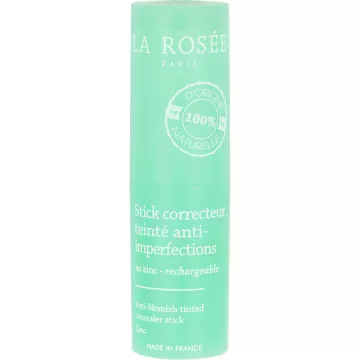
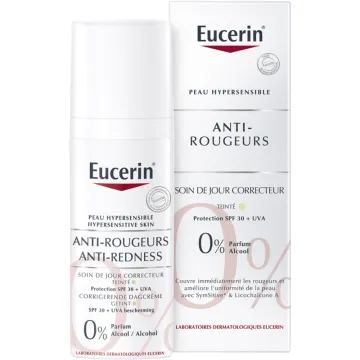
To correct imperfections with makeup, start by applying a tinted corrector to neutralize redness or discoloration. Next, use a full-coverage yet lightweight foundation, followed by concealer on areas that need extra attention. Set everything with a translucent powder for a matte finish.
What professional treatments are recommended for severe skin imperfections?
For severe blemishes, professional treatments such as chemical peels, microdermabrasion, or laser treatments may be recommended. These treatments must be performed by qualified professionals to avoid complications.
How can you maintain clear skin in the long term?
Maintaining clear skin requires a regular routine that includes gentle cleansing, adequate hydration, and effective UV protection. It’s also important to eat a balanced diet rich in antioxidants and manage stress effectively.
What role does diet play in managing skin imperfections?
Diet plays a crucial role in the appearance of the skin. Eating foods rich in vitamins A, C, and E, as well as omega-3 fatty acids, can help nourish the skin from the inside and reduce inflammation. Avoid high-glycemic-index foods and dairy products, which can worsen acne.
How do you choose the right skincare products for blemish-prone skin?
It’s essential to choose products specifically formulated for acne-prone skin. Look for products containing active ingredients such as salicylic acid or niacinamide, which help control sebum production and reduce inflammation. Avoid comedogenic ingredients like certain types of oils and silicones, which can clog pores.
Can you treat skin imperfections using only natural remedies?
While natural remedies can be helpful, their effectiveness may vary. Ingredients like aloe vera, green tea, and honey are known for their soothing and anti-inflammatory properties. However, for persistent or severe skin imperfections, it’s recommended to consult a dermatologist for more targeted treatments.
How does stress affect skin imperfections, and how can it be managed?
Stress can cause an increase in cortisol production, a hormone that can stimulate the sebaceous glands to produce more sebum, leading to breakouts. Managing stress through techniques such as meditation, regular exercise, and good-quality sleep can help reduce its impact on the skin.
How important is sleep in preventing skin blemishes?
Sleep is vital for skin health. During sleep, the skin regenerates and repairs damage sustained during the day. A lack of sleep can lead to increased stress and a weakened skin barrier, which can contribute to the development of breakouts. Ensuring sufficient, high-quality sleep is a key step in maintaining healthy, clear skin.