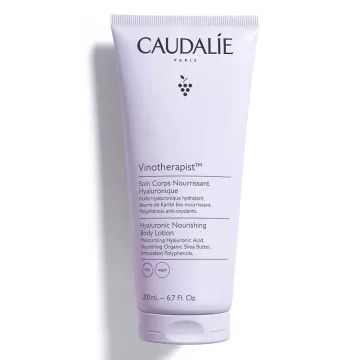
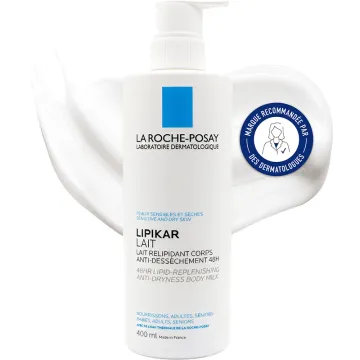
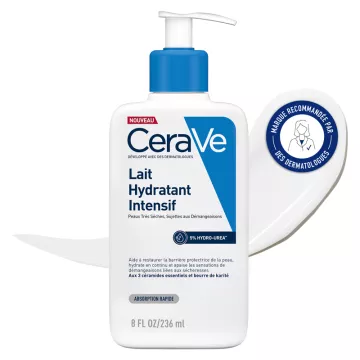
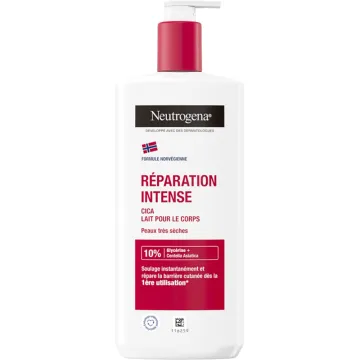
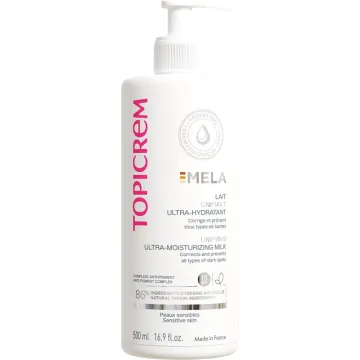
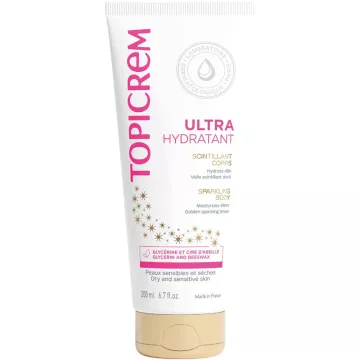
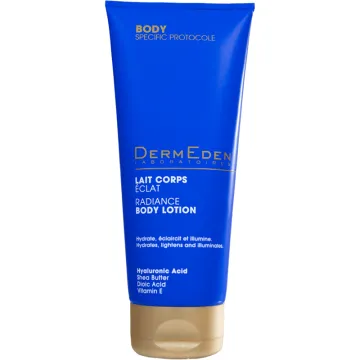
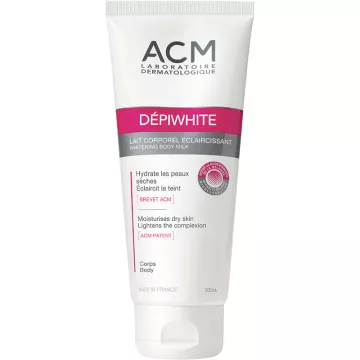
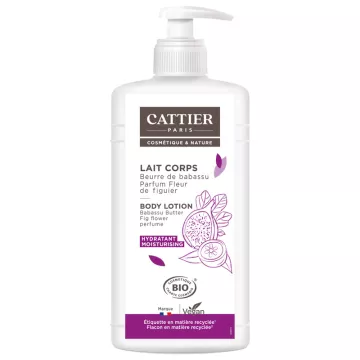
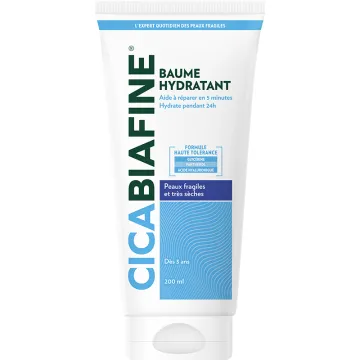
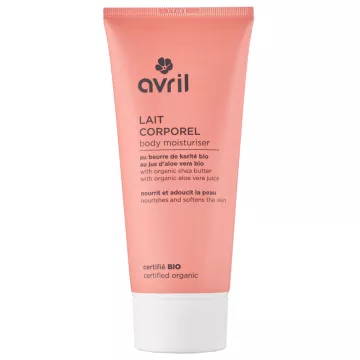
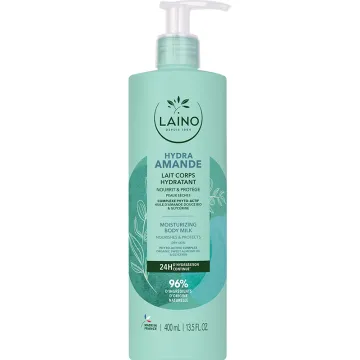
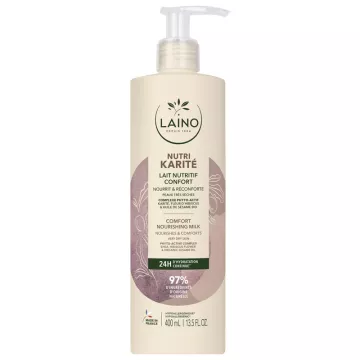
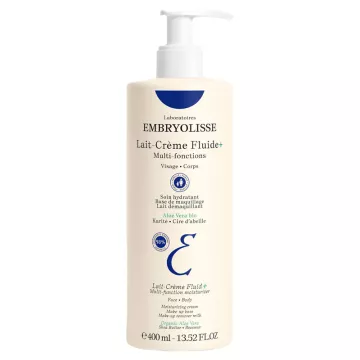
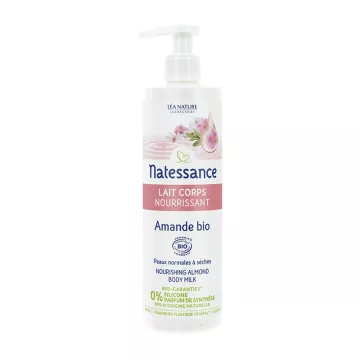
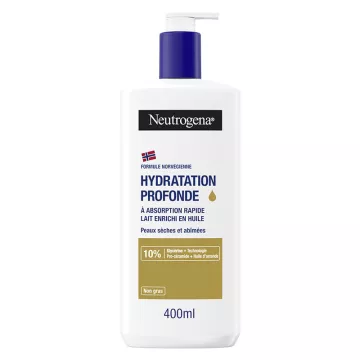
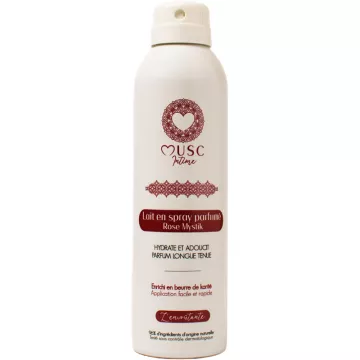
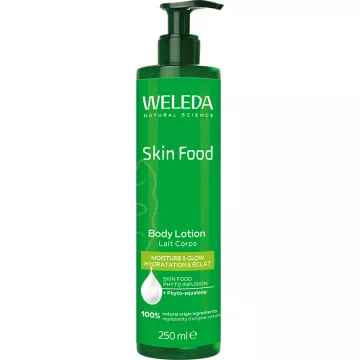
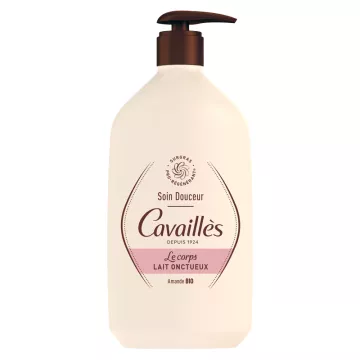
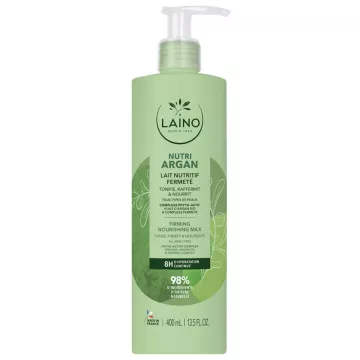
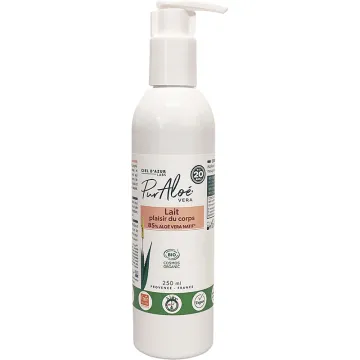
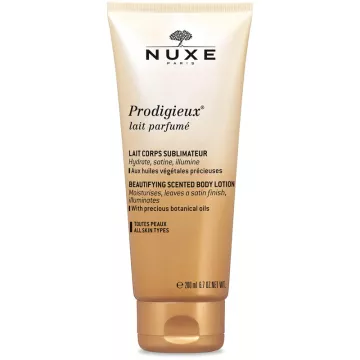
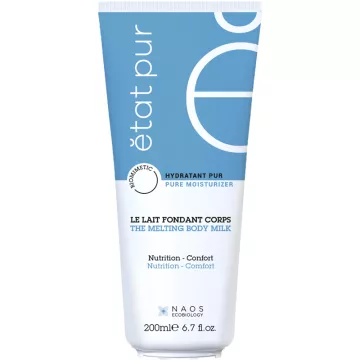
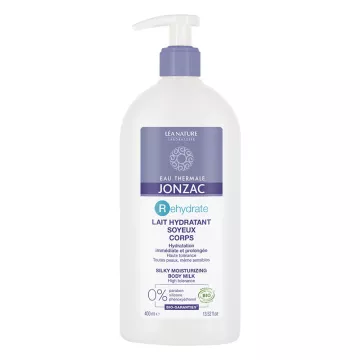
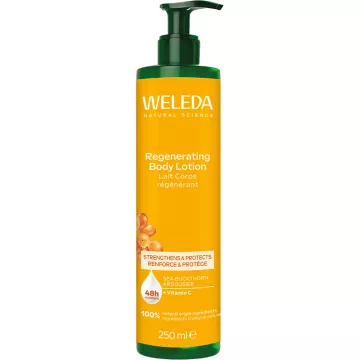
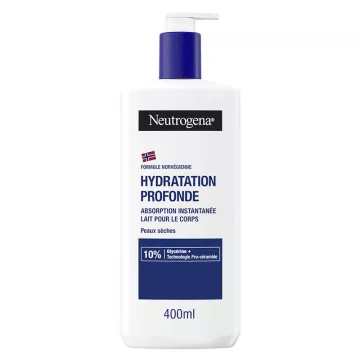
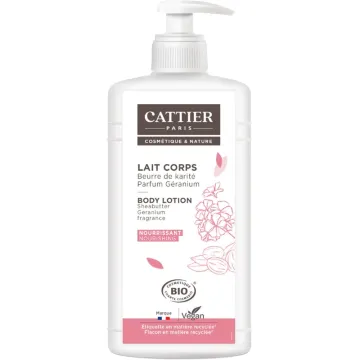
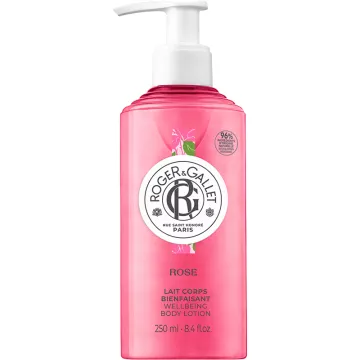
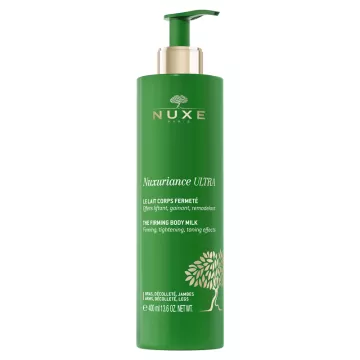
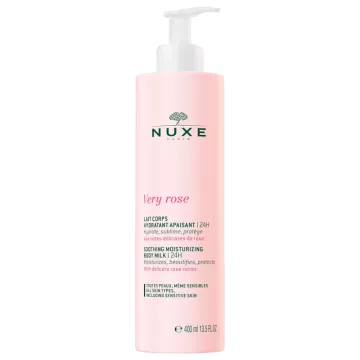
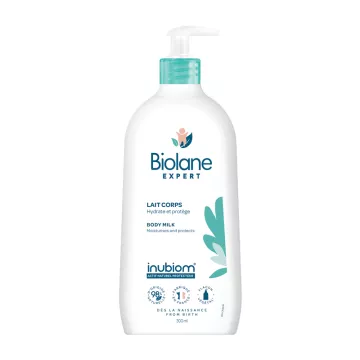
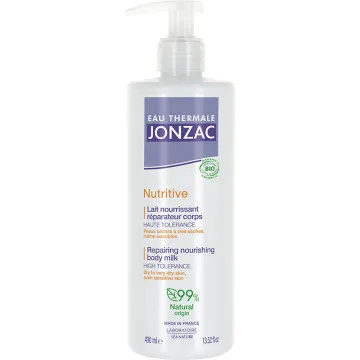
Body lotion is a moisturizing lotion designed to nourish and revitalize the skin on the body. Its lightweight formula absorbs quickly without leaving a greasy residue. Its benefits include long-lasting hydration, repair of dry skin, improved elasticity, and prevention of skin irritation. Rich in essential vitamins and minerals, it supports the skin’s protective barrier while leaving the skin soft and supple.
To choose the right body lotion, first identify your skin type. Dry skin benefits from lotions enriched with shea butter or almond oil. Sensitive skin prefers hypoallergenic formulas without artificial fragrances. Also look for products containing antioxidants like vitamin E, which protect the skin from environmental damage.
The main difference lies in the texture and oil concentration. Body lotion is light and fluid, ideal for quick, daily application. Body cream, on the other hand, has a thicker, richer texture designed for deep hydration—often intended for particularly dry or damaged areas.
For maximum effectiveness, apply body lotion to clean, slightly damp skin immediately after showering. The residual moisture helps lock in hydration. Use long, massaging strokes to aid absorption and stimulate blood circulation, paying special attention to often-neglected areas like elbows and knees.
Several essential active ingredients set a high-quality body lotion apart:
Check for mild preservatives and avoid formulas containing parabens, sulfates, or phthalates.
Use body lotion daily to maintain skin hydration. For best results, apply it after every shower or bath to maximize the product’s benefits. During times of increased dryness—especially in the winter—apply it more frequently to intensely protect and nourish your skin.
For mature skin, body lotion offers significant benefits: enhanced hydration and the reduction of superficial wrinkles and fine lines. Formulas enriched with collagen and elastin boost skin firmness and restore a youthful texture. For targeted results, pair your body lotion with a firming body cream. Also, opt for products containing antioxidants like vitamin C, which neutralize free radicals and support cell regeneration.
Using body lotion on the face is generally not recommended. The skin on your face is thinner and more sensitive than the skin on the rest of your body. Body lotions may contain ingredients that are too rich or occlusive for the face and can cause breakouts or irritation. For facial care, choose products specifically formulated for this delicate area.
The best time to apply it is immediately after a shower or bath. The heat and steam open the pores and help the skin absorb nutrients and moisturizing ingredients. Apply it to skin that’s still slightly damp to lock in moisture and maximize the product’s nourishing effect.
Yes, body lotion is suitable for children, provided you choose products specially formulated for their delicate skin. Opt for hypoallergenic lotions that are fragrance-free and paraben-free, which moisturize and protect without causing irritation. For a more comprehensive routine, explore the natural children’s skincare line. Always test the product on a small area before regular use to rule out any allergic reactions.
To preservethe effectiveness of body lotion, store it away from direct sunlight and heat, in a cool, dry place. Close the container tightly after each use to minimize contamination and degradation of the active ingredients. Most body lotions have a shelf life of 12 to 24 months after opening—always check the expiration date and the manufacturer’s recommendations.