What are the best practices for taking care of your body and hair on a daily basis?
Taking care of your body and hair is essential for maintaining a healthy, vibrant appearance. Moisturizing your skin is crucial. It’s recommended to use moisturizers after every shower to lock in moisture. As for your hair, using a gentle, sulfate-free shampoo and a nourishing conditioner can help maintain its health and shine.
How do you choose the right products for your skin and hair type?
Choosing the right products depends largely on your skin and hair type. For oily skin, opt for mattifying, non-comedogenic products. For dry skin, choose products rich in moisturizing agents such as shea butter or argan oil. As for hair, those with dry hair will benefit from oil treatments and regenerating masks, while oily hair requires lightweight, clarifying formulas.
What are some tips for preventing damage to your body and hair?
Preventing damage involves several simple but effective habits. Avoid excessively hot showers, which can dry out your skin and hair. It’s also advisable to limit the use of heat-styling tools like hair dryers or flat irons. To protect your skin, never skip applying sunscreen daily.
How can you incorporate natural products into your body and hair care routine?
Natural remedies are gaining popularity thanks to their simplicity and gentleness. Using ingredients likealoe vera, coconut oil, or apple cider vinegar can significantly enhance your routine. These products can be used as natural moisturizers, hair masks, or even skin toners.
How important is consistency in body and hair care?
Consistency is key to seeing significant results. Establishing and maintaining a daily routine helps keep your skin and hair healthy. This includes cleansing, moisturizing, and protecting against external aggressors like pollution and UV rays.
How can you identify and treat the most common scalp problems?
Scalp issues such as dandruff, dryness, or excess oil can be uncomfortable. To treat them effectively, it’s essential to correctly diagnose the underlying cause. Dandruff can often be controlled with anti-dandruff shampoos containing zinc pyrithione or selenium sulfide. For a dry scalp, moisturizing treatments made with argan or jojoba oil are recommended. If you have excess oil, opt for specific oil-regulating products.
What routine should you follow for colored hair to maintain its shine?
Colored hair requires specific care to maintain its color and health. Use shampoos and conditioners formulated for color-treated hair that help seal in the color and prevent it from fading. It’s also advisable to use nourishing hair masks once a week and avoid frequent washing, which can cause the color to fade quickly.
Can the damage caused by chemical hair treatments be reversed?
Although damage caused by chemical treatments such as coloring or straightening cannot always be completely reversed, it is possible to significantly improve the condition of the hair. Keratin-based treatments, deep conditioning masks, and restorative oils can strengthen the hair and minimize breakage. Avoiding future chemical treatments and reducing the use of heat will also allow the hair to gradually recover.
What ingredients should you avoid in body and hair care products?
Certain ingredients commonly found in personal care products can be irritating or harmful in the long term. Avoid sulfates, which can dehydrate the skin and hair; parabens, suspected of being endocrine disruptors; and denatured alcohols, which can cause excessive dryness. Opt for products containing natural ingredients and check labels for full transparency.
How can you effectively protect your hair and skin from the sun?
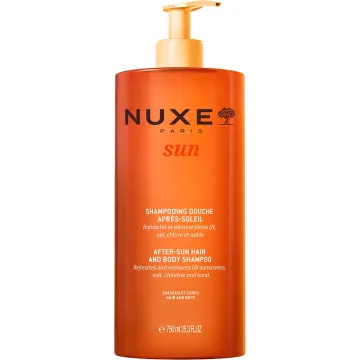
Sun protection is vital for the health of your skin and hair. For your skin, regularly apply a broad-spectrum sunscreen with an SPF of at least 30. For your hair, use products containing UV filters or wear a hat during prolonged sun exposure. Specialized protective hair sprays are also available and can help prevent UV damage.