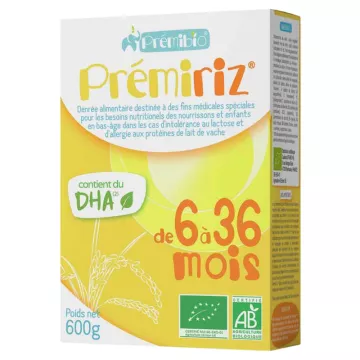
The first year is a period of exceptional growth. Babies roughly triple their birth weight, and their height increases by an average of 25 cm. Their nutritional needs are based on four pillars: energy, high-quality protein, essential fats, and micronutrients (vitamins and minerals).
According to the WHO and the French Society of Pediatrics, breast milk or infant formula meets all nutritional needs up to 6 months of age. After that, solid foods are gradually introduced to supplement milk, which remains the primary source of nutrition until age 1. Key nutrients to monitor: iron, zinc, vitamin D, vitamin A, omega-3 (DHA), calcium, and protein. Additional resources are available regardinginfant feeding and the introduction of solid foods in general.
Yes, according to the WHO, breast milk meets all the nutritional and immune needs of a healthy infant up to 6 months of age. It provides proteins, fats, carbohydrates, vitamins, and trace minerals in an optimally bioavailable form, supplemented by irreplaceable immunological factors (antibodies, immune cells, prebiotic oligosaccharides).
Vitamin D supplementation is still recommended for all infants (both breastfed and bottle-fed), at a dose of 400 to 800 IU per day, as prescribed by a pediatrician. If the infant is not breastfed, infant formula for the first stage of life takes over. After 6 months, iron stores are depleted: introducing iron-rich foods becomes essential.
Solid food introduction begins between 4 and 6 months of age, ideally following a pediatric evaluation. Several signs indicate that the baby is ready: the baby holds his or her head upright, shows interest in family meals, opens his or her mouth when the spoon approaches, and no longer systematically pushes food out with his or her tongue.
The introduction should be gradual, one food at a time, with a 3- to 5-day observation period between each new food. The first foods should focus on mild vegetables (carrots, zucchini, squash, sweet potatoes), fruits (apples, pears, bananas), and infant cereals. Animal proteins (white meat, lean fish, well-cooked eggs) are introduced starting at 6 months in small amounts.
Iron is essential for brain development and for preventing anemia in infants. Starting at 6 months, the iron stores built up during pregnancy are depleted: the diet must take over.
Several food sources meet these needs:
Combining these foods with a source of vitamin C (fresh fruits, colorful vegetables) during a meal improves the absorption of non-heme iron. Whole cow’s milk as the main beverage should be avoided before age 1, as it interferes with iron absorption. If there are concerns about iron status, the pediatrician may order a test and, if necessary, prescribe supplementation. Specific resources are available regarding iron in general.
Current recommendations have changed: the systematic preventive elimination of allergens is no longer practiced. Early and gradual introduction of potentially allergenic foods (eggs, finely ground peanuts, fish, gluten, milk, powdered tree nuts) between 4 and 11 months can, on the contrary, reduce the risk of allergies, particularly in at-risk children (family history of atopy, early-onset eczema).
The introduction should be done one food at a time, in small quantities, preferably in the morning, with monitoring for tolerance for 3 to 5 days. In the event of a severe reaction (swelling of the face or throat, difficulty breathing, dizziness, widespread hives), call 15 or 112 immediately. Supervision by a pediatrician or allergist is recommended if there is a personal or family history of severe allergies.
Several foods should be avoided to ensure the infant’s safety:
Still water (low in minerals, suitable for infants) may be offered in small amounts with meals starting at 6 months of age. Before this age, milk is more than sufficient, except in cases of extreme heat or fever, as advised by a pediatrician. Your pharmacist remains a valuable resource to guide you through these early stages, in addition to pediatric care. Specific resources are available regarding omega-3s and vitamin D3 in general.