Homemade baby meals can be introduced as soon as you begin weaning, between 4 and 6 months of age, according to recommendations from the WHO and the French Society of Pediatrics. Before this time, breast milk or infant formula meets all of your baby’s nutritional needs.
Several signs indicate that your baby is ready: they can sit up with good head control, show interest in food, open their mouth when the spoon approaches, and gradually lose the extrusion reflex (which involves pushing food out of the mouth with the tongue). A preliminary pediatric consultation allows for a personalized approach to starting solids. Additional resources are available for introducing solid foods andinfant feeding in general.
The first meals should focus on simple, mild, and easily digestible ingredients, introduced one at a time to identify any potential intolerances:
Steaming preserves more vitamins and minerals than boiling. Once cooked, the foods are pureed with a little water, cooking broth, breast milk, or infant formula to achieve a smooth, suitable texture. A teaspoon of raw vegetable oil (alternating between canola, walnut, and flaxseed oils) added per meal enriches the meal with essential fatty acids.
Storing homemade meals ensures their freshness and microbiological safety:
Impeccable hygiene is essential: wash your hands, keep surfaces clean, and thoroughly clean utensils.
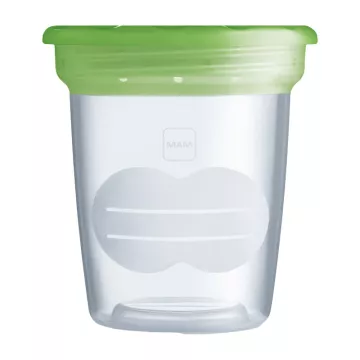
The basic equipment is simple: a steamer (basket, pot, or specialized food processor) preserves heat-sensitive nutrients; a mixer, blender, or food processor adjusts the texture according to age; airtight glass containers are particularly well-suited for storage and reheating.
Specialized cooking-and-blending machines (Babycook and similar models) simplify preparation by combining steaming, blending, reheating, and defrosting. They are not an essential investment: a standard steamer and an immersion blender can perform the same functions. Long-handled spoons made of soft silicone, designed to fit a baby’s mouth, are a useful addition to your kitchen supplies.
Certain foods should be avoided for safety reasons:
Ideally, the elimination of added salt and sugar should continue well beyond the first year to preserve the natural taste of foods.
The gradual introduction of flavors supports your baby’s developing sense of taste. A new food should be introduced on its own, in small amounts—preferably in the morning—with a 3- to 5-day observation period to identify any potential intolerances or allergies.
Textures evolve with age: smooth purees between 4 and 6 months, thicker purees with small pieces mashed with a fork starting at 8–9 months, and tender pieces starting at 10–12 months, depending on chewing ability. Mild spices (cumin, turmeric, parsley, basil, thyme, chives) can be introduced as early as 8–9 months to enhance flavors without added salt. Chili peppers and strong spices should be avoided until the child is 1 year old.
A balanced meal for a baby combines several food groups in appropriate proportions:
Hydration with low-mineral-content still water can be offered in small amounts during meals starting at 6 months. Introducing solid foods helps develop a sense of taste: the variety of flavors, colors, and textures shapes future food preferences.
Homemade meals offer several advantages: total control over ingredients, guaranteed freshness, customization of flavors and textures, learning to cook family meals from a young age, and the emotional value of a meal prepared with care. However, they require time, organization, and the right equipment.
Commercial baby food jars specifically formulated for infants meet very strict nutritional standards, ensure microbiological stability, and remain particularly convenient when traveling, on vacation, or on busy days. A mixed approach (homemade meals during calm mealtimes, high-quality jarred foods for when you’re in a pinch) is often the most realistic solution for most families.
Your pharmacist remains a valuable resource to guide you through these early stages, in addition to regular pediatric care. Specific resources are available for baby food and infant nutrition in general.