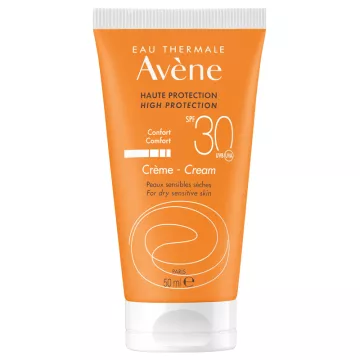
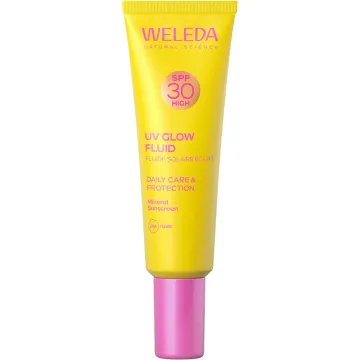
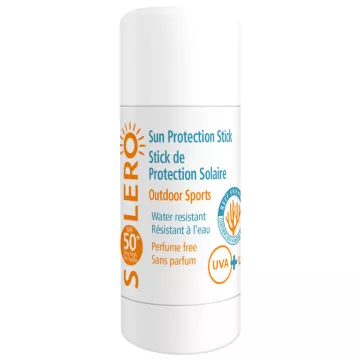
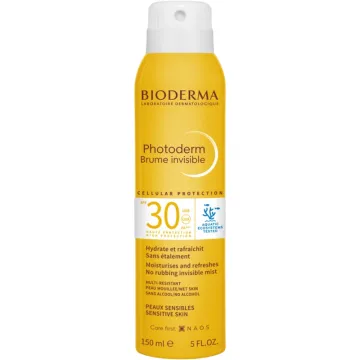
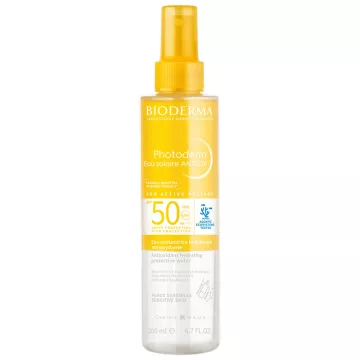
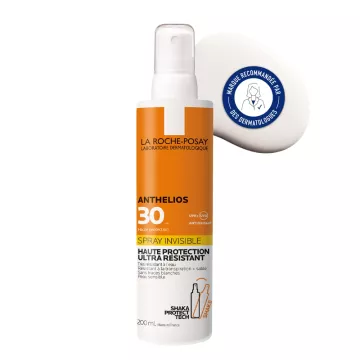
Using UVB-blocking products plays a crucial role in protecting the skin from the harmful effects of ultraviolet rays. By choosing the right product and applying it correctly, you can enjoy effective protection while maintaining the health and beauty of your skin. Prevention remains the key to avoiding long-term damage and maintaining skin health in the sun.
UVB rays are a form of ultraviolet radiation emitted by the sun; their wavelength (280–320 nm) causes the majority of sunburns.
In the long term, they actively contribute to premature skin aging and significantly increase the risk of skin cancer (WHO and INCa consensus).
Protection against UVB rays remains essential for maintaining healthy skin and preventing damage to the DNA of skin cells, which can lead to potentially serious mutations.
UVB-protective products work by forming a physical barrier (mineral filters such as zinc oxide or titanium dioxide) or a chemical barrier (organic filters) on the skin.
This barrier absorbs or reflects UVB rays before they reach the deeper layers of the epidermis.
Their main benefits include reducing the risk of sunburn, preventing premature aging (wrinkles, age spots), and significantly lowering the long-term risk of skin cancer.
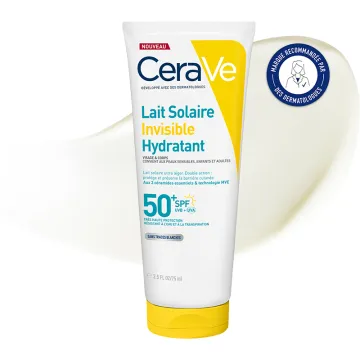
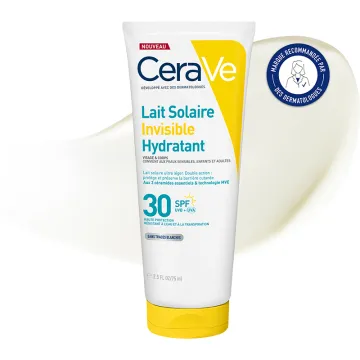
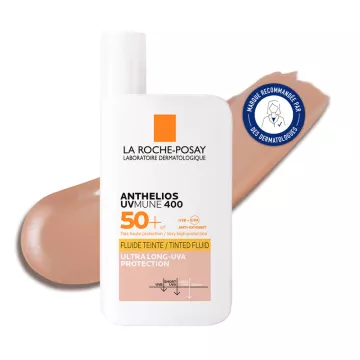
To select a high-performance UVB-protective product, look for a sun protection factor (SPF) of at least 30, ideally 50 for fair skin or prolonged sun exposure.
Opt for broad-spectrum formulas, which protect against both UVA and UVB rays.
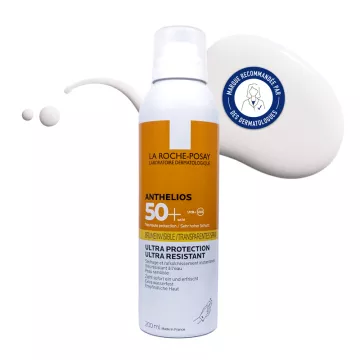
Choose water-resistant products if you’re swimming or sweating, and select a texture suited to your skin type to avoid irritation and allergic reactions.
For maximum protection, browse our selection of high-protection SPF 50 products.
For optimal protection, apply your UVB-blocking product 20 to 30 minutes before sun exposure.
This allows the sunscreen filters to properly absorb into the skin and form an effective protective barrier.
Reapply every two hours, and even more frequently after swimming, heavy sweating, or towel-drying.
Don’t forget often-overlooked areas: the face, ears, nape of the neck, neck, backs of the hands, tops of the feet, thinning scalp, and lips.
Using an anti-UVB product is recommended year-round, as UV rays penetrate clouds and glass and cause cumulative damage that is invisible in the short term.
Daily protection is particularly important for the face, which is constantly exposed to environmental UV rays.
This habit preserves the skin’s youthful appearance and is the most effective preventive measure against the visible signs of photo-induced aging.
UVB-protective products are generally formulated to suit most skin types, including the most sensitive ones.
For reactive or allergic skin, choose fragrance-free, non-comedogenic, hypoallergenic formulas containing mineral filters (zinc oxide, titanium dioxide).
Always perform a skin test on the inside of your elbow 48 hours before your first full application, especially if you have sensitive skin.
For a complete selection, browse our sunscreen section.
Yes, applying a UVB-blocking product is still essential even on overcast or cloudy days.
Clouds block only a fraction of UV rays: up to 80% of the rays pass through moderate cloud cover and reach your skin.
Regular application—including in winter and on gray days—helps prevent sunburn, premature aging, and an increased risk of skin cancer.
Sun protection is primarily a matter of cumulative exposure, not the weather as you experience it on a day-to-day basis.
Yes, children need UVB-protective products specifically formulated for their particularly delicate skin.
Children’s skin is thinner, more permeable, and more vulnerable to cumulative UV damage than adult skin.
Choose SPF 50+ formulas that are water-resistant, fragrance-free, and free of irritating chemical filters, and apply generously 20 to 30 minutes before sun exposure.
For infants under 6 months, direct sun exposure is not recommended; protection should primarily come from shade, covering clothing, and a hat; explore our children’s sun protection section.
It is perfectly possible to use an anti-UVB product along with your usual cosmetics, provided you follow the correct order of application.
First, apply your sunscreen to clean skin, then wait 5 to 10 minutes for it to be fully absorbed before applying makeup.
Many foundations, powders, and BB creams now include SPF, though this serves as an additional layer rather than a substitute for a true sunscreen.
For truly effective protection, the SPF in makeup alone is not enough, since the amounts applied are generally too small.
The immediate signs of UVB-induced damage are sunburn: red, painful skin, sometimes accompanied by blisters in cases of intense exposure.
In the long term, chronic exposure leads to premature aging (wrinkles, fine lines, age spots) and a visible change in skin texture.
Carefully monitor any new moles, lesions that do not heal, or changes in existing moles: asymmetry, irregular borders, uneven color, a diameter greater than 6 mm, or rapid growth (ABCDE rule).
Any suspicious lesion requires a prompt consultation with a dermatologist, who will perform a dermatoscopic examination and, if necessary, refer you for specialized follow-up care.
UVB-blocking products do indeed have an expiration date that must be strictly observed.
Over time, sunscreen filters degrade and lose a significant portion of their ability to block UV rays, which considerably reduces their effectiveness.
Always check the expiration date on the packaging and the shelf life after opening (PAO symbol—Period After Opening, typically 12 months).
Store your product in a cool, dry place, away from direct light and high temperatures (never in the glove compartment or exposed to the sun) to maintain its effectiveness.