Prunus Spinosa Boiron: Homeopathic Treatment for Ophthalmic Shingles
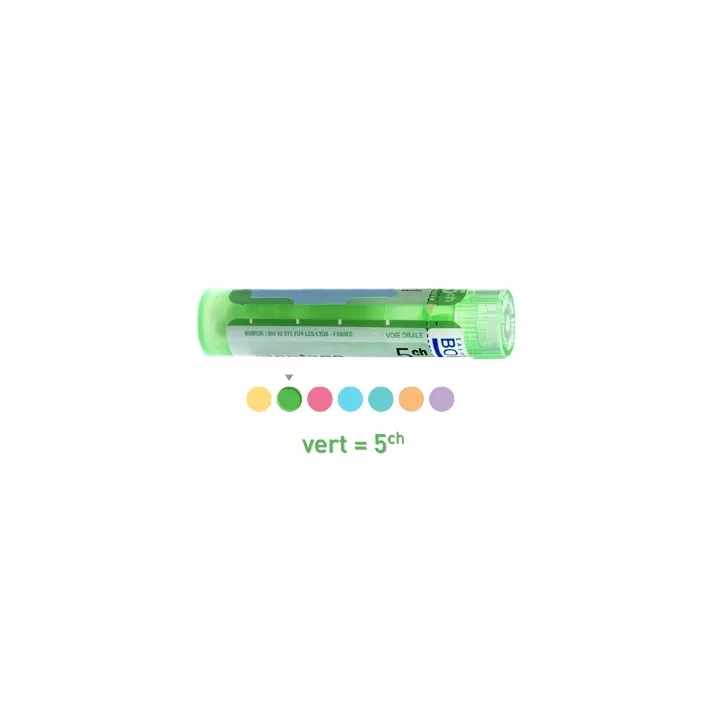
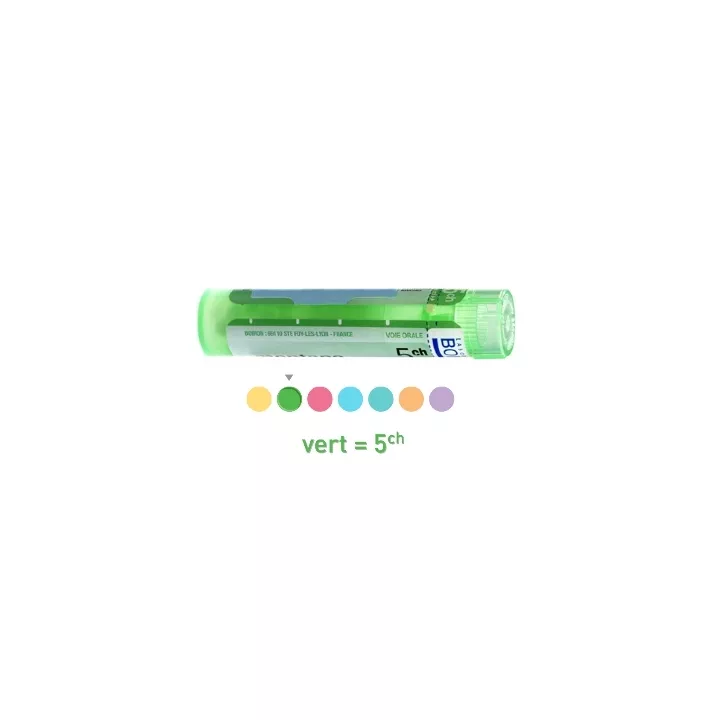
Prunus Spinosa 5CH, 7CH, 9CH, 15CH Boiron Homeopathic Granules
Registered medication: EH00864
Source: Plant-based
Prunus Spinosa, more commonly known as blackthorn, stands out as a leading homeopathic remedy, drawn directly from nature to effectively combat a wide range of ailments, particularly those related to the eyes. This article explores in depth the benefits, uses, and indications of this natural remedy, focusing on its applications in ophthalmology and beyond.
Blackthorn: A Natural Source of Healing
Blackthorn, a wild shrub whose beauty lies hidden behind its sturdy thorns, is the source of Prunus Spinosa. In homeopathy, it is primarily the young shoots that are used to prepare this remedy, although in some countries, such as Germany, the flowers are also included in its composition. Rich in history and medicinal properties, blackthorn grows abundantly in temperate regions, particularly in France, where it is an integral part of the natural landscape and traditional pharmacopoeia.
Applications in Ophthalmology: A Gentle Revolution
The therapeutic properties of Prunus Spinosa make it a preferred choice for treating various eye conditions. Whether to soothe pain associated with ophthalmic shingles, reduce the symptoms of ocular neuralgia, or even assist in the management of glaucoma, this homeopathic remedy offers a gentle and natural alternative to conventional treatments. Its ability to relieve ocular hypertension also makes it a valuable ally for those seeking less invasive solutions.
Beyond Ophthalmology: A Broader Scope
Not limited to the field of ophthalmology, Prunus Spinosa has proven effective in treating a variety of other conditions. From toothaches to urethral conditions, including issues related to the bladder neck, this homeopathic remedy stands out as a versatile option for those who prefer natural and holistic approaches as part of their healthcare journey.
Directions for Use: A Personalized Treatment
The dosage of Prunus Spinosa in homeopathy varies depending on the condition being treated and the individual. Generally, for conditions such as glaucoma, the standard recommendation is two to three doses per day of five granules at a 9 CH dilution. For acute pain, such as that caused by ophthalmic shingles, increasing the frequency to three or four doses may be recommended. However, it is essential to consult a healthcare professional for a prescription tailored to your specific situation.
Discover Boiron’s Prunus Spinosa, a homeopathic remedy for the treatment of ophthalmic shingles and eye pain. Incorporate this natural solution into your eye care routine for gentle and effective relief from eye conditions.
Indications andDosage for Prunus Spinosa
Homeopathic remedies can be used for a variety of symptoms.
A homeopathic physician selects the dilution and dosage appropriate for the patient’s health condition and characteristic symptoms.
Prunus Spinosa is a homeopathic remedy derived from the laboratory preparation of the blackthorn. The young twigs of this plant are used to produce this homeopathic product.
Prunus Spinosa is primarily indicated for treating ophthalmic conditions such as ophthalmic shingles and ocular neuralgia. However, it is also indicated for treating toothaches, urethral conditions related to urethral stricture, and bladder neck disorders.
Generally, the dosage should be prescribed by a homeopath or the attending physician. As a general guideline, two to three doses per day of five granules of Prunus Spinosa 9 CH are sufficient to treat glaucoma; three to four doses per day of three granules of Prunus Spinosa 9 CH relieve eye pain caused by ophthalmic shingles.
Prunus Spinosa by Boiron: Homeopathic Support for Ophthalmology
Homeopathic Treatment for Ophthalmic Shingles: Prunus Spinosa, available from Boiron in granules in dilutions ranging from 4CH to 15CH, is a homeopathic remedy specifically designed for ophthalmic treatment, and more specifically for ophthalmic shingles. This remedy is also used to relieve eye pain associated with this condition.
Applications in Ophthalmology
- Ophthalmic Shingles: Prunus Spinosa is recommended for the treatment of ophthalmic shingles, a painful condition affecting the eye and surrounding areas, caused by the varicella-zoster virus. It helps relieve eye pain and reduce inflammation.
- Eye Pain: In addition to its effects on shingles, Prunus Spinosa provides relief from eye pain, thereby helping to improve patients’ visual comfort.
A Gentle Alternative for Eye Health
Toward Relief from Eye Conditions with Prunus Spinosa: The use of Prunus Spinosa in homeopathy represents a gentle and natural approach to addressing ophthalmic problems without the side effects frequently associated with allopathic treatments.
Tips for Using Prunus Spinosa andDirections for Use
Twist the tube to dispense the desired number of granules into the cap, then place the granules under the tongue.
It is recommended that you do not touch the homeopathic granules with your fingers.
The globules from single-dose tubes are taken all at once by allowing them to dissolve slowly under the tongue. If a specific dose is not available, take 10 granules of the same dilution.
Use a mint-free toothpaste (such as Homéodent Boiron, a toothpaste compatible with taking homeopathic granules).
How should Prunus Spinosa Boiron be used?
It is recommended that you follow the dosage instructions on the packaging or consult a healthcare professional for guidance tailored to your specific situation.
Is Prunus Spinosa suitable for everyone?
Although Prunus Spinosa is generally safe, a medical consultation is recommended to confirm its suitability for your health condition, particularly for people with preexisting medical conditions.
When can you expect to see improvement?
The effects of Prunus Spinosa may vary depending on the individual and the nature of the condition being treated. Improvement may be observed after a period of regular use, but medical follow-up is recommended to assess the treatment’s effectiveness and adjust the dosage if necessary.
Ocular Shingles: Treatment Protocol
For confirmed cases of ocular shingles, a specific protocol must be followed to ensure optimal treatment effectiveness. The recommended dosage is Prunus Spinosa 9 CH, taken three to four times daily. It is crucial to follow the instructions of your healthcare provider, who will adjust the frequency based on the progression of your condition. A gradual reduction in dosage is recommended as symptoms improve, underscoring the importance of a personalized approach to treating ocular shingles.
Glaucoma: Dosage Guidelines
Prunus Spinosa has proven to be a valuable ally in the management of glaucoma. The suggested dosage is five granules in a 9 CH dilution, taken three to four times a day. For optimal absorption, these granules should be placed under the tongue. It is also advisable to avoid consuming certain products, particularly those containing mint, as they may reduce the remedy’s effectiveness. This precaution ensures that the treatment works effectively, offering a gentle alternative for managing glaucoma.
Chronic Infections: A Long-Term Approach
For chronic infections, the recommended approach differs slightly. In these cases, Prunus Spinosa is used in high dilutions, allowing the remedy to act over an extended period. This strategy aims to treat the condition holistically, addressing the root causes of the problem to achieve a complete cure. The emphasis on high dilutions for prolonged treatments underscores homeopathy’s commitment to offering lasting solutions rather than temporary fixes.
Packaging and Volume
Prunus Spinosa, commonly known as blackthorn, is used in homeopathy for its many beneficial properties. Registered under number EH00864 and listed in the French and European Pharmacopoeias, this plant-based medicine is available in tubes for specific dilutions and for compounded preparations, allowing for therapeutic application tailored to individual needs.
Origin and Properties
Blackthorn is a plant native to Europe, known for its spring flowers and black fruits. In homeopathic medicine, Prunus Spinosa is valued for its tonic effect on the circulatory system and for its effectiveness in treating fatigue, eye pain, and symptoms of mild depression.
Available Formulations
Tubes: Prunus Spinosa is available in tubes at dilutions of 4 CH, 5 CH, 7 CH, 9 CH, and 15 CH. These potencies allow for targeted use based on specific symptoms and the patient’s sensitivity.
Compounded Formulations: For personalized treatment, Prunus Spinosa can also be compounded in Hahnemannian dilutions starting at 2 CH. This option allows practitioners to formulate remedies specifically tailored to individual needs.
Therapeutic Applications
Prunus Spinosa is often recommended for:
- Supporting the circulatory system by helping to improve blood circulation and reduce feelings of coldness in the extremities.
- Relieving eye pain, particularly in cases of eye strain or irritation.
- Improving overall well-being in cases of lethargy or mild depression, helping to restore vitality and energy.
Precautions for Use
Warning
Contains sucrose. Store Prunus Spinosahomeopathic remedies awayfrom light, heat, and moisture.
Administering homeopathic granules to infants and children
Prunus Spinosahomeopathic granules shouldbe dissolved in 100 ml of water. Since the granules take a long time to dissolve, it is necessary to prepare the mixture in advance.
Homeopathy and Pregnancy
Prunus Spinosahomeopathic remedies have nochemical toxicity, no contraindications, no interactions with other medications, and no adverse effects related to the amount ingested. Pregnant women can use these remedies without any known risk to themselves or their unborn child, but it is best to seek advice.
Frequency of Homeopathic Use
For acute conditions, it is recommended to take Prunus Spinosahomeopathic remedies everyhour until symptoms improve. At that point, you should space out doses to 3 or 4 times a day, then gradually stop.
For chronic conditions, remedies in low dilutions (greater than Prunus Spinosa 9CH) are taken 1 to 2 times a day, while constitutional remedies are taken once a week or even once a month. This decision is up to the homeopath.
What to Do If There Is No Improvement Within 24 Hours
Certain conditions cannot be treated with homeopathy through self-medication with Prunus Spinosa alone. Your doctor will determine whether your condition can be treated with homeopathy alone or if your treatment needs to be supplemented with allopathic medicine.