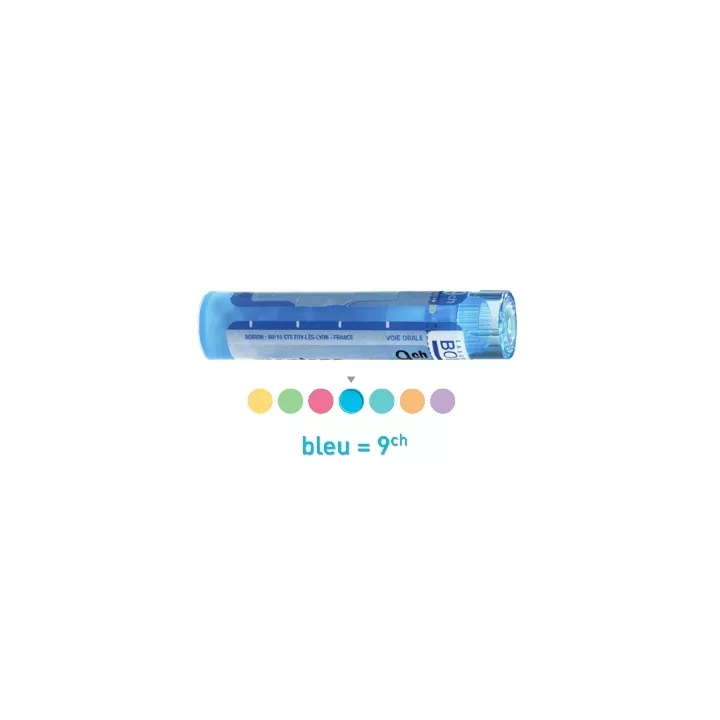
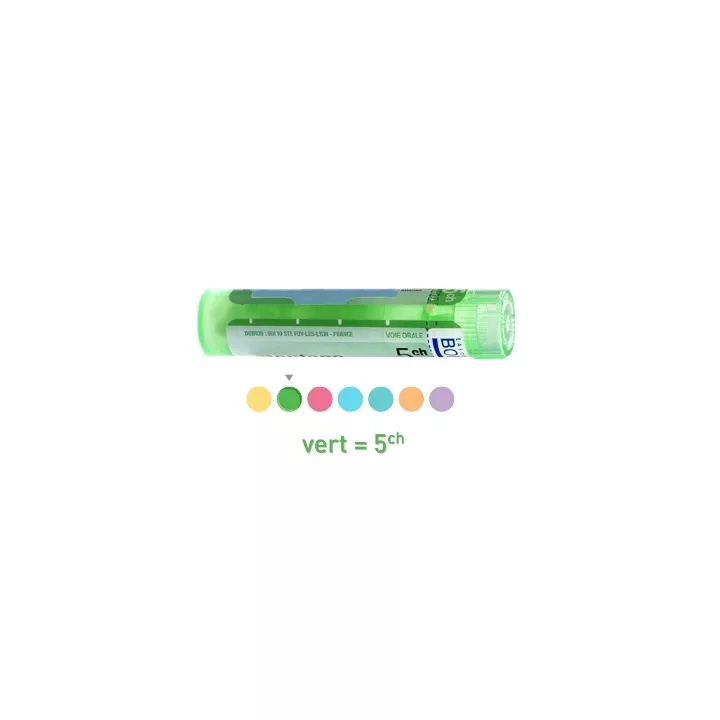
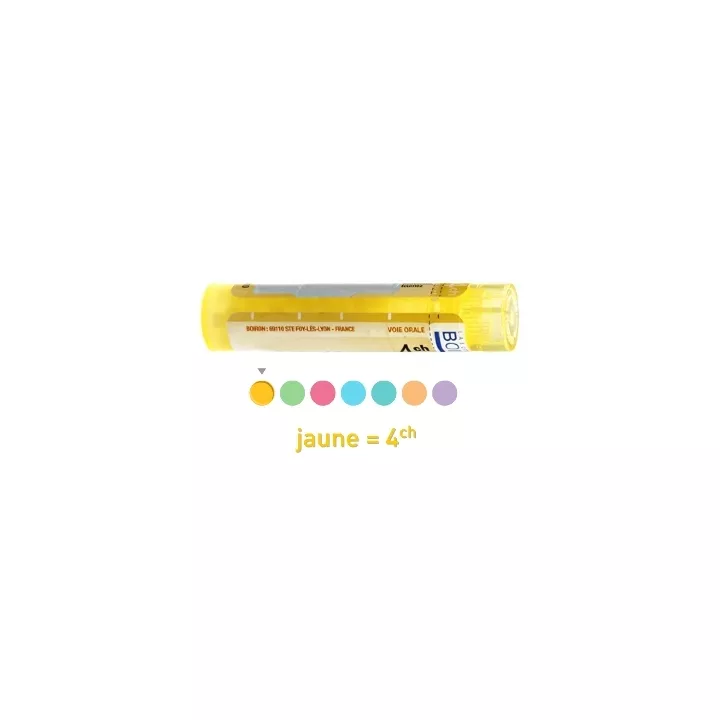
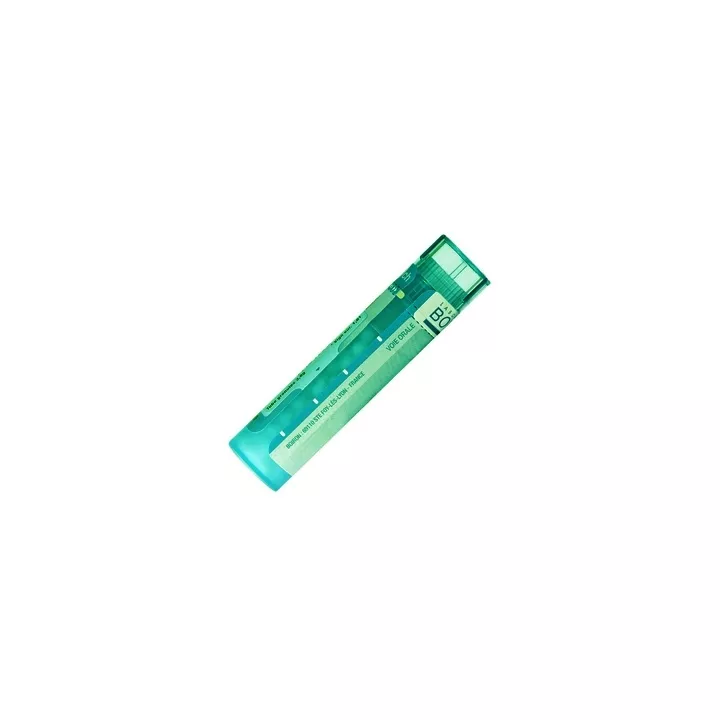
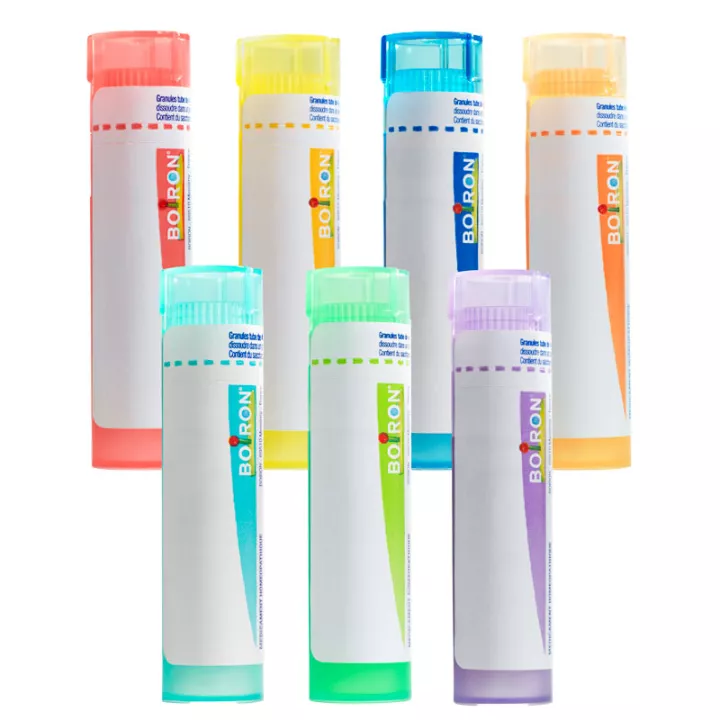
Scrofularia Nodosa 4CH, 5CH, 9CH homeopathic granules by Boiron
Scrofularia Nodosa 4 CH Tubes
Registered Medication: EH00949
Listed in the pharmacopoeia
Source: Plant-based
Retail price (including tax): The price of homeopathic medicines is set at the discretion of the online pharmacist.
Available from TM to 30CH
Discover Scrofularia Nodosa, the homeopathic remedy for the relief of breast nodules, mastosis, rectosigmoid pain, and digestive tumors. Restore your feminine and digestive well-being naturally.
Indications and Dosage
Homeopathic remedies can be used for a variety of symptoms; therefore, it is not possible to specify the indications and dosage for a specific preparation. The homeopathic physician selects the appropriate remedy, dilution, and dosage based on the patient’s health condition and characteristic symptoms.
Scrofularia Nodosa: The Homeopathic Solution for Gynecology and Gastroenterology
For Natural Women’s Health and Digestive Well-Being
Scrofularia Nodosa Homeopathic Granules by Boiron, available in 4CH, 5CH, and 9CH, are homeopathic remedies designed to address your needs in gynecology and gastroenterology. Whether you suffer from hardened breast lumps, mastosis, rectosigmoid pain, or tumors, Scrofularia Nodosa is here to offer you natural relief.
Why Choose Scrofularia Nodosa for Gynecological Issues?
- Relief from Breast Lumps: Hardened breast lumps can cause discomfort. Scrofularia Nodosa is a homeopathic remedy designed to soothe these lumps.
- Reduced Mastosis: Mastosis can be a source of pain and discomfort. Scrofularia Nodosa can help relieve the symptoms associated with this condition.
Why Choose Scrofularia Nodosa in Gastroenterology?
- Relief from Rectosigmoid Pain: Rectosigmoid pain can be bothersome. Rectosigmoid involvement is the most common digestive manifestation of endometriosis. It is linked to the development of a nodule behind the cervix, along the ligaments between the uterus and the sacrum. Scrofularia Nodosa is used to alleviate this pain, offering you natural relief.
- Management of Digestive Tumors: In cases of digestive tumors, Scrofularia Nodosa may be a natural option to support the healing process.
Dosage:
The dosage of Scrofularia Nodosa varies depending on the medical prescription and the nature of the condition being treated. It is recommended that you follow your healthcare provider’s recommendations for optimal results.
Usage Tips and Instructions
It is advisable not to touch the homeopathic granules with your fingers.
Use a mint-free toothpaste (such as Homéodent Boiron, a toothpaste compatible with taking homeopathic granules).
Directions for Use:
- Turn the tube upside down and twist the cap to dispense the granules.
- Do not place the granules in the palm of your hand to administer them.
- For adults and children over 6 years of age, let the granules dissolve under the tongue.
- For children under 6 years of age, dissolve the granules in a small amount of water.
How should Scrofularia Nodosa be used for breast lumps or digestive disorders?
The recommended dosage is generally 5 granules, 3 times a day, using the appropriate dilution (5CH, 7CH, 9CH, 15CH, 30CH). For personalized advice, it is recommended to consult a healthcare professional.
How long does it take to see improvement with Scrofularia Nodosa?
Results may vary from person to person. Improvement may be noticed after several weeks of regular use as recommended.
Are there any known side effects of Scrofularia Nodosa?
Scrofularia Nodosa is generally well tolerated, and side effects are rare in homeopathy. If you experience any unusual reactions, it is recommended that you consult a healthcare professional.
Can Scrofularia Nodosa be taken with other medications?
Yes, Scrofularia Nodosa can be taken in combination with other treatments. However, when combining treatments, it is prudent to consult a healthcare professional to avoid drug interactions.
Is Scrofularia Nodosa suitable for everyone?
Scrofularia Nodosa can be used by people of various ages, but it is recommended to consult a healthcare professional for appropriate dosing and usage, especially for children and the elderly.
Packaging and Quantity
Scrofularia Nodosa, also known as knotted figwort, is a medicinal plant used in homeopathy for its specific healing properties. Registered under number EH00949 and listed in the French and European Pharmacopoeias, this plant-based remedy is available in doses and tubes, as well as for compounding, offering a variety of options for homeopathic treatment. This article explores the characteristics and potential uses of Scrofularia nodosa in homeopathy.
Origin and Properties
Scrofularia Nodosa is a plant belonging to the Scrophulariaceae family, traditionally recognized for its beneficial effects on the lymphatic system and for its role in treating skin conditions. The homeopathic preparation of this plant follows the principles of dilution and potentization, allowing its therapeutic properties to be harnessed while minimizing risks.
Available Formulations
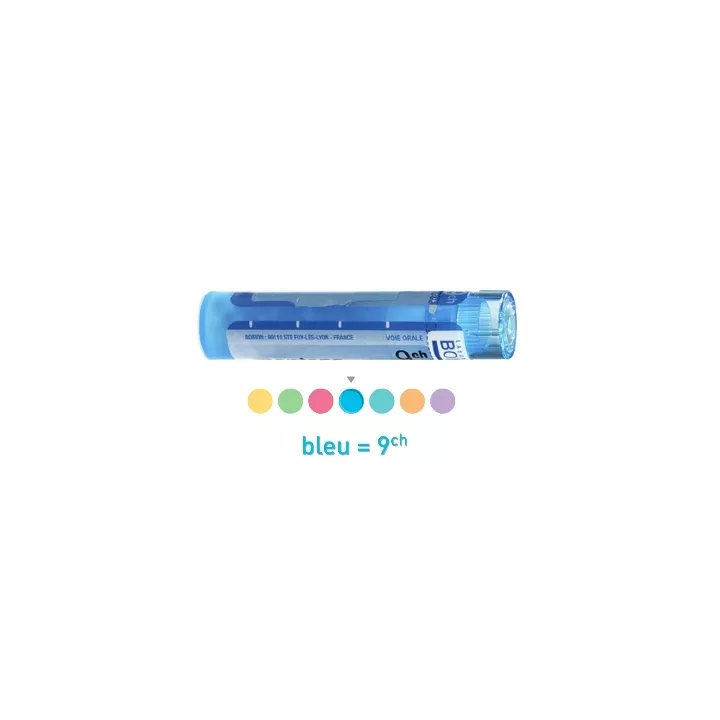
Doses and Tubes: The Scrofularia Nodosa strain is available in doses at a 12 CH dilution and in tubes at dilutions of 4 CH, 5 CH, and 9 CH. This range of dilutions offers flexibility in treatment selection, tailored to the severity and nature of the patient’s symptoms.
Compounded Preparations: For personalized treatment, Scrofularia Nodosa is also available for compounded preparations in Hahnemannian dilutions starting at 2 CH. This option allows practitioners to precisely tailor the remedy to each individual’s specific needs.
Therapeutic Applications
Scrofularia Nodosa is commonly used for its effects on the lymphatic system, particularly in the treatment of swollen or painful lymph nodes. It may also be indicated for relieving skin conditions, such as eczema or psoriasis, due to its anti-inflammatory properties. In addition, this strain may play a role in the treatment of joint conditions, providing relief from joint pain or inflammation.
Precautions for Use
Warning
Contains sucrose.
Administering homeopathic granules to infants and children
For granules or alcohol-based drops, dissolve them in 100 ml of water. Since the granules take a long time to dissolve, you should prepare the mixture in advance.
Homeopathy and Pregnancy
Homeopathic remedies have no chemical toxicity, no contraindications, no interactions with other medications, and no adverse effects related to the amount ingested. Pregnant women can use them without any known risk to themselves or their unborn child, but it is best to seek advice.
Frequency of Homeopathic Use
For acute conditions, it is recommended to take homeopathic remedies every hour until symptoms improve. Once symptoms improve, doses should be spaced out to 3 or 4 times a day, then gradually tapered off.
For chronic conditions, remedies in low dilutions (>9CH) are taken 1 to 2 times a day, while constitutional remedies are taken once a week or even once a month. This decision is up to the homeopath.
What to Do If There Is No Improvement Within 24 Hours
Certain conditions cannot be treated with homeopathy through self-medication alone. Their severity requires medical advice, which can be provided by a homeopathic physician. This physician will determine whether your condition can be treated with homeopathy alone or whether your treatment needs to be supplemented with allopathic medicine.