Lycopodium clavatum D6, D10, D15, D30 Weleda Homeopathic Granules Tube
Registered medication: EH00693
Listed in the pharmacopoeia
Source: Plant-based
If there is no improvement within 24 hours, consult your homeopathic physician.
Lycopodium clavatum is a versatile homeopathic remedy used to treat various conditions, such as behavioral disorders, urological problems, and skin conditions. Thanks to its healing properties, this herbal remedy offers a natural alternative for relieving the symptoms of many conditions.
Main Indications for Lycopodium clavatum D6, D10, D15, D30
Weleda homeopathic medicines—whether in granule tubes or globule doses—can be used for a variety of symptoms; therefore, it is not possible to specify the indications and dosage for a specific preparation.
A homeopathic physician selects the appropriate remedy, dilution, and dosage based on the patient’s health condition and characteristic symptoms.
Lycopodium Clavatum: A Versatile Homeopathic Remedy for Behavioral Disorders and More
Lycopodium clavatum is a homeopathic remedy derived from a plant source, specifically the medicinal clubmoss. This spongy plant is used to create a mother tincture through an ethanolic extraction process, which yields the essential bioactive molecules. Lycopodium clavatum is commonly used in homeopathy to treat various conditions, including behavioral disorders, urological diseases, and dermatological problems.
Behavioral Disorders: Irritability and Depression
One of the main uses of Lycopodium clavatum in homeopathy is for behavioral disorders, particularly irritability and depression. Patients exhibiting symptoms of fluctuating mood, alternating between irritability and depression, may benefit from this homeopathic remedy. The homeopath generally determines the appropriate dilution based on the observed condition.
Urological Uses of Lycopodium Clavatum
Lycopodium clavatum is also used to treat certain urological conditions. People suffering from urinary problems, such as urinary retention or urinary tract infections, may find relief with this homeopathic remedy. As with behavioral disorders, the prescribed dilution depends on the observed condition and the homeopath’s assessment.
Dermatological Treatments Using Lycopodium Clavatum
In addition to its use for behavioral disorders and urological conditions, Lycopodium clavatum is also effective in treating certain dermatological conditions. Patients suffering from eczema, psoriasis, or other skin problems may benefit from this homeopathic remedy. Again, the homeopath will prescribe the appropriate dilution based on the symptoms and the specific condition observed.
Directions for Use
Remove the tab, turn the Weleda tube upside down, and gently pull the cap.
Twist the tube to dispense the desired number of granules into the cap, then place the granules under the tongue.
It is recommended not to touch the homeopathic granules with your fingers.
Do not consume astringent substances—such as coffee, tobacco, camphor, mint, or chamomile—within half an hour before taking homeopathic remedies.
Use a mint-free toothpaste (such as Homéodent BOIRION).
Duration of Treatment with Lycopodium Clavatum
The duration of treatment with Lycopodium clavatum varies depending on the symptoms and the severity of the condition. It is important to consult a professional homeopath who will assess each patient’s situation and determine the appropriate duration of treatment. Following the homeopath’s recommendations is essential for achieving the best possible results.
How should Lachesis Mutus D10, D15, and D30 be used? Take 3 granules 3 times a day, or follow your healthcare provider’s recommendations. It is best to take the granules on an empty stomach, between meals, for optimal absorption.
Are there any special precautions to take with Lachesis Mutus D10, D15, and D30? As with any homeopathic treatment, it is advisable to consult a healthcare professional before starting treatment, especially if you have pre-existing medical conditions or are taking other medications.
Is this product suitable for all ages? Lachesis Mutus can be used by people of all ages, but a medical consultation is recommended for children and the elderly to adjust the dosage according to their specific needs.
Composition of these Weleda granule tubes
Lycopodium clavatum D6, D10, D15, D30
List of excipients with known effects: lactose, sucrose
Packaging and contents
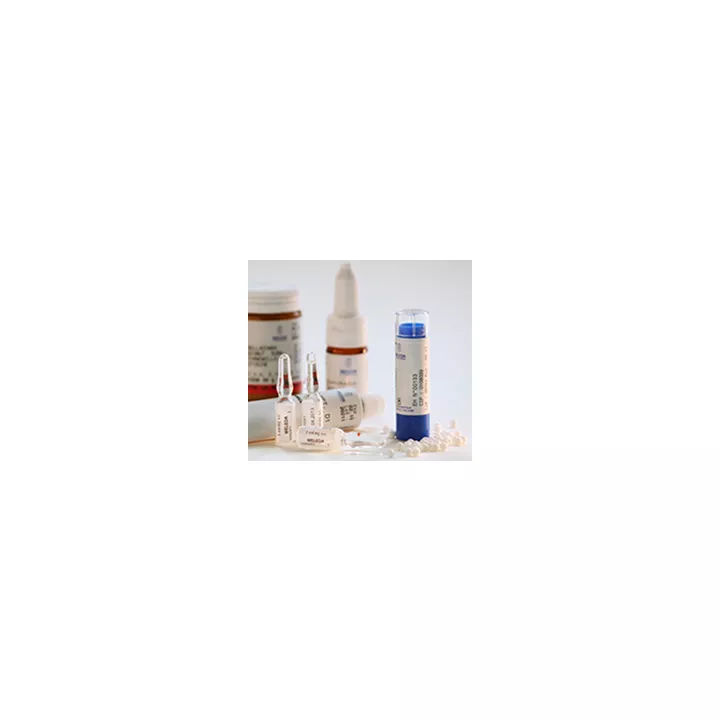
Weleda granule tube.
Weight: 4 g. Approximately 80 granules.
Precautions for use
Warning
Contains sucrose and lactose
Due to the presence of lactose, this medication should not be used in cases of galactosemia, glucose-galactose malabsorption syndrome, or lactose deficiency.
Store homeopathic medicines away from light, heat, moisture, and any source of fragrance.
Administering Weleda Homeopathic Granules to Infants and Children
Dissolve the homeopathic granules in 100 ml of water. Since the granules take a long time to dissolve, you should prepare the mixture in advance.
Homeopathy and Pregnancy
Homeopathic remedies have no chemical toxicity, no contraindications, no interactions with other medications, and no adverse effects related to the amount ingested. Pregnant women can use them without any known risk to themselves or their unborn child, but it is best to seek advice.
Frequency of Homeopathic Use
For acute conditions, it is recommended to take homeopathic remedies every hour until symptoms improve. Once symptoms improve, space out the doses to 3 or 4 times a day, then gradually stop.
For chronic conditions, low-potency remedies are taken 1 to 2 times a day, while constitutional remedies are taken once a week or even once a month. This decision is up to the homeopath.
What to Do If There Is No Improvement Within 24 Hours
Certain conditions cannot be treated with homeopathy through self-medication alone. Their severity requires medical advice, which can be provided by a homeopathic physician. This physician will determine whether your condition can be treated with homeopathy alone or whether your treatment needs to be supplemented with allopathic medicine.