What are the common symptoms of eye strain?
Eye strain is very often the result of overusing our eyes. It’s a temporary impairment of eye function, often associated with overexertion. Our connected lifestyles and the ubiquity of screens are therefore not good news for our eyes. But other factors can also contribute to eye strain: bright light, cigarette smoke, dust, air conditioning, or even wind.
The symptoms of eye strain are diverse and varied. Depending on their severity, the sensations can differ. And while they may not be serious, eye strain can quickly become restrictive and uncomfortable. Generally speaking, the warning signs to watch for are:
- A decrease in your vision (visual acuity) throughout the day.
- Difficulty focusing when switching from distance to near vision.
- Your vision is blurry or even out of focus.
- Your field of vision is impaired.
- Double vision (diplopia).
- A sensation of glare.
- Your eyes are irritated or red.
- A burning or stinging sensation in your eyes.
- Frequent headaches
- Your eyelid twitches.
- You have eye pain in or around your eyes.
What dietary supplements can help preserve your vision?
Our eyes are exposed to many factors that can damage them: UV rays and tobacco can cause them to age prematurely and increase the risk of eye conditions.
Take care of your vision! With eye supplements, you can support your vision in the long term.
Discover our new line of eye supplements to protect your eyes from external stressors and slow down the aging process.
What is the role of ophthalmology in eye health?
Ophthalmology plays a role in several key areas:
- Prevention and Screening: Identifying vision problems and eye conditions at an early stage, particularly during regular eye exams.
- Diagnosis: Using sophisticated tools to assess the structure and function of the eye.
- Treatment: Medical or surgical management of eye conditions.
- Visual Rehabilitation: Helping patients with visual impairments optimize their remaining vision.
How does the eye work, and what are its main structures?
The eye is a complex sensory organ consisting of several interdependent structures:
- Cornea: The transparent front part of the eye, which plays an essential role in focusing light.
- Crystalline Lens: An internal lens that enables accommodation—that is, the adjustment of vision for near or distant objects.
- Retina: Light-sensitive tissue located at the back of the eye, responsible for transmitting visual signals to the brain via the optic nerve.
- Aqueous Humor and Vitreous Humor: Fluids that maintain the shape and internal pressure of the eye.
- Pupil and Iris: Regulate the amount of light entering the eye.
What are the common eye conditions in ophthalmology?
Refractive Errors
These conditions prevent light from focusing properly on the retina:
- Myopia: Difficulty seeing things at a distance.
- Hyperopia: Blurred near vision.
- Astigmatism: Distortion of images due to an irregularity in the cornea.
- Presbyopia: Progressive loss of the eye’s ability to focus due to aging.
Eye Disorders
- Cataract: Clouding of the lens, resulting in blurred or cloudy vision.
- Glaucoma: A disease characterized by increased intraocular pressure, which can damage the optic nerve and cause vision loss.
- AMD: Age-related macular degeneration, which affects central vision.
- Diabetic Retinopathy: A complication of diabetes that affects the blood vessels of the retina.
- Keratitis and Conjunctivitis: Inflammation of the cornea or conjunctiva, often associated with infections or allergies.
What ophthalmic treatments are available to preserve vision?
Glasses and contact lenses remain the most common solutions for correcting refractive errors. Prescription lenses can be customized to meet specific needs, such as near vision, distance vision, or progressive vision.
Eye drops, ointments, and systemic medications are used to treat a wide variety of conditions:
- Antiglaucoma eye drops: Reduce intraocular pressure.
- Anti-inflammatory drugs: Treat eye inflammation.
- Antibiotics and antivirals: Treat bacterial and viral infections.
Modern ophthalmology offers a range of advanced surgical techniques:
- Cataract Surgery: Replacement of the cloudy natural lens with an artificial lens.
- LASIK and PRK: Laser correction techniques for nearsightedness, farsightedness, or astigmatism.
- Vitrectomy: Removal of the vitreous humor in cases of retinal detachment or vitreous hemorrhage.
- Intraocular Implants: Correction of severe vision problems or replacement of the natural lens.
How can you prevent vision problems in your daily life?
Prevention plays a key role in ophthalmology to avoid serious complications:
- Regular Eye Exams: An annual visit is recommended, especially after age 40.
- UV Protection: Wearing sunglasses reduces the risk of cataracts and macular degeneration.
- Contact Lens Hygiene: Clean and replace your lenses according to the manufacturer’s recommendations to prevent infections.
- Reducing Eye Strain: Follow the 20-20-20 rule when working on a screen.
What eye care products can be found on the Soin-et-Nature website?
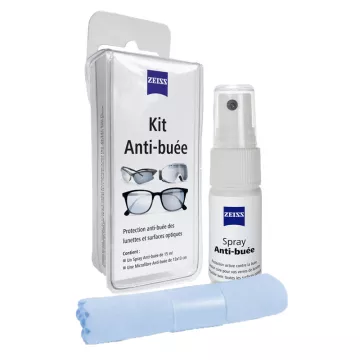
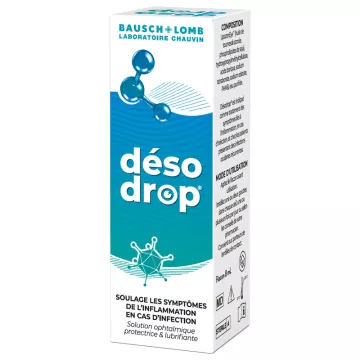
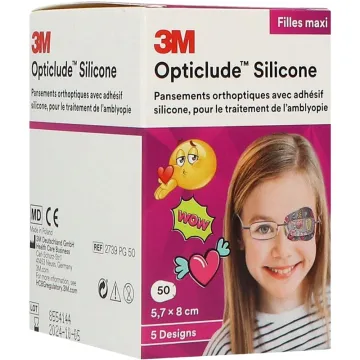
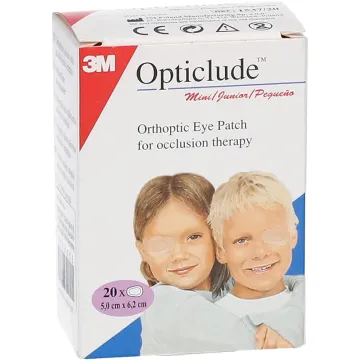
Soin-et-Nature offers a complete range of eye care products tailored to various eye health and visual comfort needs. Here are the available categories:
These eye care products available on Soin-et-Nature address the specific needs of your eye health while respecting the sensitivity of your eyes in your daily life.