Daily Routine for Youthful Skin
Preserving the skin’s youthfulness depends above all on a consistent skincare routine that is maintained over the long term. Four pillars form the foundation of your daily routine:
- Gentle cleansing morning and night with a suitable product (syndet, soap-free gel, cleanser, micellar water), free of denatured alcohol, with a pH close to that of the skin (5.5).
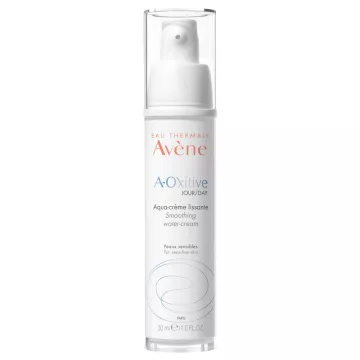
- Moisturizing with a cream suited to your skin type (rich texture for dry skin, gel-cream for combination skin, non-comedogenic fluid for oily skin).
- Targeted active ingredients in a serum applied before the cream: antioxidant vitamin C in the morning, retinol or peptides in the evening, depending on your skin profile.
- SPF 30–50 sun protection every morning, summer and winter, in the city and in the countryside: the best-documented anti-aging practice for the skin.
Helpful additions: systematic makeup removal in the evening, a dedicated eye cream, targeted night treatments, moderate exfoliation 1–2 times a week, and hydrating or targeted masks. Consistency trumps sophistication.
Which active ingredients should you choose to preserve the skin’s youthfulness?
Several cosmetic active ingredients are backed by solid scientific data:
- Retinol (a cosmetic derivative of vitamin A): the most extensively studied anti-aging active ingredient; it accelerates cell turnover and stimulates collagen synthesis. Apply in the evening, starting gradually (2–3 times a week), and use SPF in the morning. Contraindicated during pregnancy and breastfeeding as a precaution.
- Topicalvitamin C (10–20% L-ascorbic acid or stable derivatives): a major antioxidant and cofactor in collagen synthesis; supports skin radiance and helps address pigmentation spots. Store in an opaque, airtight container.
- Hyaluronic acid: various molecular weights to target the surface (immediate smoothing effect) or deeper layers. Hydration and plumping effect.
- Signaling peptides (Matrixyl, Argireline, copper peptides): modulate fibroblast activity; support firmness and elasticity.
- Niacinamide (vitamin B3, 5–10%): strengthens the skin barrier, reduces redness and dark spots, and regulates sebum production. Compatible with most active ingredients.
- Ceramides, cholesterol, and essential fatty acids: restore the skin barrier, which is often weakened in mature skin.
- AHAs (glycolic, lactic, mandelic) and BHAs (salicylic): promote skin renewal and radiance. Photosensitizing.
- Centella asiatica (madecassoside, asiaticoside): promotes skin regeneration and collagen synthesis.
- Vitamin E, coenzyme Q10, plant polyphenols: complementary antioxidants.
- Bakuchiol: a botanical alternative to retinol, suitable for sensitive skin and during pregnancy (as advised).
Effectiveness depends on concentration, pH, and formulation. Choose transparent formulations where active ingredients appear at the beginning of the INCI list.
How does diet influence skin youthfulness?
Diet supports long-term skin health:
- A variety of fruits and vegetables: antioxidants (vitamins, polyphenols, carotenoids), water, fiber.
- Omega-3 fatty acids (fatty fish, flaxseed, chia, walnuts): help regulate inflammation and support cell membranes and the skin barrier.
- High-quality protein: the building block of collagen.
- Dietary vitamin C (citrus fruits, kiwi, bell peppers, parsley, blackcurrants): a cofactor in collagen synthesis.
- Zinc, selenium, copper: cofactors for antioxidant activity and collagen synthesis.
- Polyphenols (green tea, red grapes, cocoa, berries): powerful antioxidants.
- Stay hydrated regularly with water, herbal teas, and water-rich fruits and vegetables.
- Limit: simple sugars (glycation of dermal fibers through AGE formation), ultra-processed foods, processed meats, excessive alcohol, and trans fats.
For a broader approach to health and longevity, see our page dedicated to youthful vitality.
How does sleep affect skin youthfulness?
During deep sleep, the skin undergoes an intense regeneration phase:
- Activecollagen synthesis driven by growth hormone.
- Acceleratedcell renewal.
- Repair of oxidativedamage accumulated throughout the day.
- Restoration of the skin barrier and hydration.
- Cortisol regulation (excess cortisol breaks down collagen and elastin).
- Tissue drainage (reduces dark circles and morning puffiness).
Goals: 7 to 8 hours of regular sleep, consistent sleep schedules, a cool bedroom (18–19 °C), always removing makeup, targeted nighttime skincare, limited screen time in the evening, and sleeping on your back if possible to minimize “sleep lines.” A silk or satin pillowcase has a modest but well-documented effect on friction and skin dehydration.
Technological Innovations for Youthful Skin
Dermatological and cosmetic treatments are evolving rapidly:
- Non-ablative and ablativefractional lasers: skin smoothing, dark spots, collagen stimulation.
- Radiofrequency: controlled heating of the dermis, gradual skin-tightening effect.
- HIFU (high-intensity focused ultrasound): lifting effect without incisions.
- Microneedling in a medical office: collagen stimulation through micro-perforations.
- LED phototherapy: red and near-infrared for collagen stimulation, blue for acne.
- Superficial to deepchemical peels.
- Platelet-rich plasma (PRP) and growth factors.
- Injectable hyaluronic acidskin boosters.
- Next-generation skincare products: targeted peptides, topical exosomes, at-home devices (LED, microcurrents, gentle ultrasound).
All medical aesthetic procedures must be performed in a clinic by trained and certified physicians. Be wary of “miracle” promises and practices outside the medical framework.
Why exfoliate to maintain youthful skin?
Moderate exfoliation serves several purposes:
- It removes dead skin cells (corneocytes) that have accumulated on the skin’s surface, which dull the complexion and clog pores.
- It supports naturalcell renewal, which slows with age.
- It improves the absorption of skincare products applied afterward.
- Refines skin texture and restores radiance.
- Reduces the appearance of comedones and blackheads.
Opt for gentle chemical exfoliants (moderate AHAs, BHAs for oily skin, PHAs for sensitive skin, enzymatic exfoliants) rather than harsh mechanical scrubs. Frequency: 1 to 2 times a week for most skin types, less frequently for sensitive skin. Over-exfoliation is a common pitfall: it permanently damages the skin barrier and can cause hypersensitivity, redness, and chronic dehydration.
How does stress affect the skin’s youthfulness?
Chronic stress directly affects the skin:
- Elevated cortisol: breaks down collagen and elastin, increases inflammation.
- Low-grade systemic inflammation: accelerates skin aging and exacerbates skin conditions (acne, eczema, psoriasis, rosacea).
- Telomere shortening: a marker of accelerated cellular aging.
- Sleep disturbances, which have their own impact.
- Harmfulcoping behaviors (smoking, alcohol, an unbalanced diet).
- Decreased skinmicrocirculation.
Recognized approaches to stress management: mindfulness meditation, sophrology, cardiac coherence (3 times 5 minutes a day, 5-5 rhythm), yoga, tai chi, regular physical activity, time spent in nature, social connections. If stress is overwhelming daily life, seek support from a psychologist or psychotherapist.
How does hydration affect the skin’s youthful appearance?
Hydration is essential:
- Cellular hydration: Well-hydrated skin cells function better, regenerate more effectively, and are more resistant to environmental stressors.
- Matrix hydration: Hyaluronic acid in the dermis retains water around collagen and elastin fibers, maintaining volume and mechanical strength.
- Functional skin barrier: ceramides, cholesterol, and essential fatty acids limit water loss.
- Effect onskin elasticity and firmness: Hydrated skin is more resilient and better able to return to its original shape.
- Reduction of fine lines caused by dehydration.
Internal hydration (1.5 to 2 liters of water per day, to be adjusted in cases of heart or kidney disease) and external hydration (daily skincare products containing hyaluronic acid, glycerin, ceramides, plant-based butters, and oils suited to your skin type).
What are the effects of smoking on skin youthfulness?
Smoking is a major accelerator of skin aging and the leading preventable factor:
- Chronicvasoconstriction: reduced supply of oxygen and nutrients to the skin.
- Massive production of free radicals from tobacco combustion.
- Accelerated breakdown of collagen and elastin: loss of elasticity, premature appearance of wrinkles.
- Dull, sallow, and sometimes yellowish complexion.
- Characteristicperioral wrinkles (“smoker’s lines”).
- Impaired wound healing.
- Worsening of skin conditions: acne, psoriasis, certain forms of eczema.
- Increased risk of skin cancers.
Quitting smoking measurably improves skin quality in the weeks and months that follow: a gradual return of radiance, improved healing, and reduced oxidative stress. To help with quitting, various aids and support services are available (nicotine replacement therapies, specialized counseling, and support apps). Your primary care physician or pharmacist can refer you to the appropriate solutions.
Peptides and Anti-Aging: Their Role in the Skin
Peptides are small chains of amino acids that act as cellular messengers:
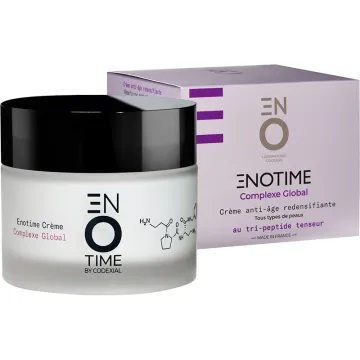
- Signaling peptides (Matrixyl/palmitoyl pentapeptide, copper peptides): stimulate collagen and elastin synthesis by fibroblasts.
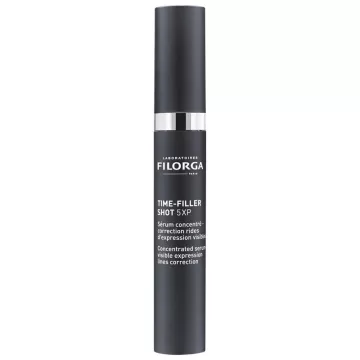
- Neurorelaxing peptides (Argireline/acetyl hexapeptide-8): modulate muscle contraction, providing a mild “Botox-like” effect on expression lines.
- Carrier peptides: transport trace elements such as copper to the skin.
- Enzyme-inhibiting peptides: slow the breakdown of structural proteins.
Peptides offer several benefits:
- Generally well-tolerated, even on sensitive skin.
- Wide compatibility with other active ingredients (vitamin C, hyaluronic acid, niacinamide, moderate AHAs, retinol).
- Gradual action, noticeable after 8 to 12 weeks of regular use.
- An attractive alternative to retinol for sensitive skin or during pregnancy (when recommended by a professional).
For optimal results, peptides should be incorporated into a comprehensive skincare routine that includes sun protection, hydration, antioxidants, and other targeted active ingredients. A comprehensive anti-aging regimen combines several active ingredients that work synergistically, selected based on skin type and the specific needs of each age group.