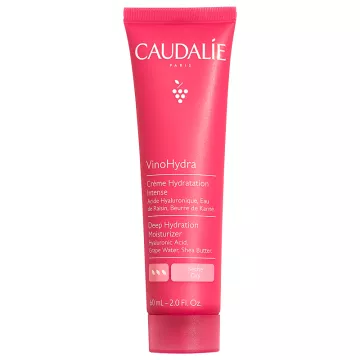
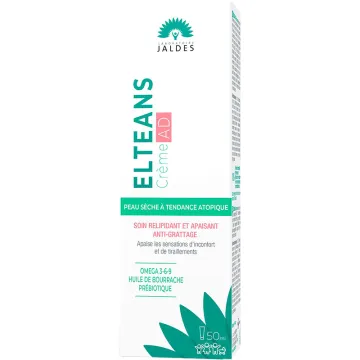
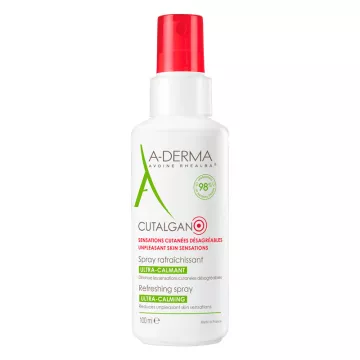
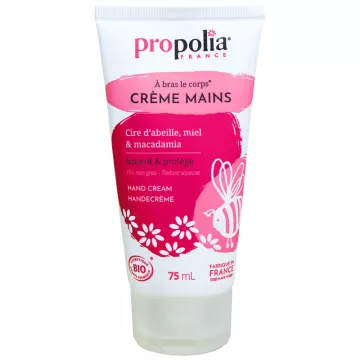
A tight feeling in the skin is that unpleasant sensation of skin that feels as though it’s pulling, retracting, or seems too small for the face or body. It’s often accompanied by a general feeling of discomfort, and sometimes by a slight burning or tingling sensation. This sign is never trivial: it indicates that the skin barrier is temporarily compromised, that the hydrolipidic film is depleted, and that the skin is struggling to retain moisture. The most common causes include overly harsh cleansing, hard water, dry winter air, central heating, air conditioning, intense sun exposure, aging, and atopic skin. The condition usually resolves quickly with the right skincare.
Several active ingredients provide immediate relief:
Quick fix: Apply hyaluronic acid serum to damp skin, followed by a nourishing cream within 3 minutes.
Cleansing isthe culprit in 80% of cases of tightness. Alkaline soaps (traditional Marseille soap, mass-produced scented soaps) strip away the hydrolipidic film and cause that characteristic tightness right after a shower. Foaming shower gels with harsh sulfates (particularly sodium lauryl sulfate) have the same effect. Opt for soap-free syndets with a pH close to 5.5 (Avène Trixera, La Roche-Posay Lipikar Syndet, Bioderma Atoderm), ultra-moisturizing soaps enriched with nourishing agents, or cleansing oils that cleanse without disrupting the skin barrier. Use lukewarm water (36–37 °C maximum), take short showers (5 to 10 minutes), pat the skin dry, and apply an emollient immediately.
Lipid-replenishing emollients rebuild the barrier over the medium term:
Expert brands: Lipikar and Cicaplast B5+ by La Roche-Posay, Tolérance Extrême and XeraCalm AD by Avène, Atoderm and Sensibio by Bioderma, Cicabiafine, Cold-Cream by Avène, Eucerin UreaRepair, and Mustela Stelatopia for children.
In cases of acute tightness (a tight face after a dry, windy day; skin that stings after getting out of the shower), an emergency routine provides relief in just a few minutes: spray thermal water mist onto the face, apply a hyaluronic acid serum to damp skin, use a balm or cream rich in ceramides and glycerin, and ideally, leave on a hydrating mask for 10 to 15 minutes. For the hands, apply a lipid-replenishing balm after each wash; ideally, wear gloves at night to enhance absorption. For a tight scalp, a pre-shampoo oil treatment with jojoba or argan oil soothes the area.
For atopic skin where tightness is a recurring issue, the strategy involves an essential daily lipid-replenishing routine. Leading dermo-cosmetic emollients (Lipikar AP+, XeraCalm AD, Atoderm Intensive, Eucerin AtopiControl) should be applied at least once a day over the entire body, ideally twice. During flare-ups with particularly intense tightness, certain specifically formulated balms contain skin prebiotics (filaggrin, microbiome restorer) that support the skin’s surface flora. Centella asiatica andaloe vera can be used topically as complementary treatments.
Using too many potent active ingredients (retinol + AHA + BHA + concentrated vitamin C in the same routine) permanently weakens the skin barrier. Cleansing the face twice a day with a harsh product destabilizes the hydrolipidic film. Skipping morning and nighttime moisturizing accelerates dryness. Exposing the skin to dry central heating, prolonged air conditioning, or cold wind without protection worsens tightness. Homemade baking soda should still be avoided (its alkaline pH permanently disrupts the skin’s physiological pH of approximately 5.5). Drinking too little water (less than 1.5 L/day) deprives the skin of its internal hydration.
If tightness persists despite following an appropriate moisturizing routine for 4 to 6 weeks, or if it is accompanied by significant redness, inflammatory patches, or intense itching, a dermatological evaluation can help identify atopic dermatitis, rosacea, seborrheic dermatitis, or another underlying cause.