What makes thujanol-type thyme unique among the chemotypes?
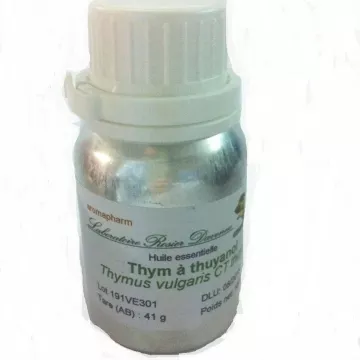
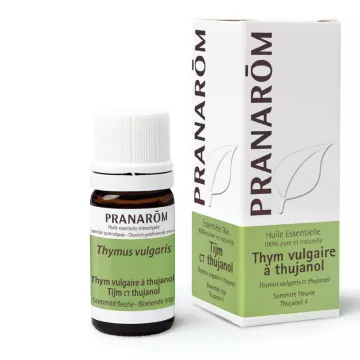
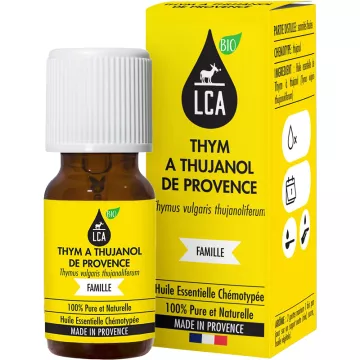
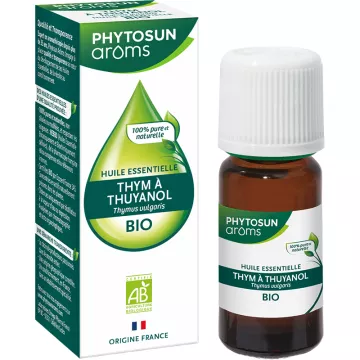
Thujanol thyme (Thymus vulgaris CT thujanol-4) occupies a very distinctive intermediate position among the four chemotypes of thyme. Neither as potent as the thymol chemotype nor as mild as the linalool chemotype—it combines strong anti-infective activity with much better skin tolerance than thymol.
Its main active ingredient, thujanol-4 (a monoterpene alcohol), gives it a recognized effect on viral respiratory tract infections—whereas CT thymol is primarily antibacterial, CT thujanol is more antiviral. It is this distinction that makes it the go-to thyme essential oil for flu-like symptoms, nasopharyngitis, and post-infectious fatigue.
What is the difference between thujanol essential oil, thymol essential oil, and linalool essential oil?
The three essential oils are suited to different situations—confusing them means missing out on their full effectiveness.
- Thymol essential oil: 40–60% thymol—most potent against bacteria—dermocaustic, irritating to mucous membranes—for adults only, short-term use—never used alone in a diffuser for prolonged periods
- Thujanol essential oil: 40–55% thujanol-4—effective against viruses and certain bacteria—well tolerated on the skin (not dermocaustic)—for adults and children over 3 years old—the versatile all-around winter essential oil
- CT linalool: linalool 60–80% — the mildest — profile similar to lavender — children as young as a few months via diffusion, infants by medical advice — less effective against established infections, ideal for long-term prevention
- Rule of thumb: prevention and vulnerable individuals → linalool CT. Established viral infection in adults or children > 3 years → thujanol CT. Severe bacterial infection in adults → thymol CT under supervision
How should thujanol thyme essential oil be used to support respiratory comfort?
Its antiviral profile makes it a leading active ingredient for flu-like symptoms and developing colds.
- Soles of the feet (adults and children over 3 years old): 2–3 drops diluted to 10–15% in sweet almond oil—apply morning and evening at the onset of an infection—the thick skin on the feet tolerates this concentration well
- Chest and back massage: 3% in calophyllum oil—in the morning during the acute phase—do not exceed 7–10 days
- Wet inhalation: 2 drops in a bowl of hot water, 5 min—warm, herbaceous note—supports upper respiratory tract clearance
- Diffusion: 5–8 drops, 15–20 minutes — tolerable when diffused (unlike thymol essential oil, which saturates the air) — combine with ravintsara and eucalyptus radiata for the complete winter trio
Thujanol-rich thyme and post-infectious fatigue?
One of its distinctive uses—often overlooked but well-documented by aromatherapists.
After a viral episode (flu, cold, stomach flu), persistent fatigue and low energy are common. Thujanol-4 has documented general tonic properties—it is one of the few essential oils that supports both the infectious phase and convalescence.
- Convalescence treatment: 2–3 drops on the soles of the feet or the solar plexus, diluted to 15%, in the morning for 2–3 weeks
- Vitality blend: thyme CT thujanol + noble laurel —an immunostimulant and tonic duo to aid recovery after infection
- Distinguish between: fatigue from a recent viral episode (→ thujanol CT) vs. chronic fatigue without an infectious episode (→ other phytotherapeutic approaches)
What precautions should be taken with CT thujanol?
More flexible than CT thymol—but not without limits.
- Children 3–12 years: dilute to a maximum of 5%, for topical application only (soles of the feet or chest), never taken orally
- Children under 3 years of age: not recommended—prefer CT linalool based on pediatric advice
- Pregnant and breastfeeding women: not recommended
- Anticoagulants: thujanol may slightly potentiate their effect—inform your doctor
- Duration: Maximum 10–14 days per treatment course—take a break before resuming
- Never apply undiluted—minimum dilution of 10% for topical use