What is body temperature regulation, and why is it crucial?
Body temperature regulation refers to the body’s ability to maintain its temperature within a normal range, generally between 36.1°C and 37.2°C. This mechanism is vital because it enables metabolic processes to function optimally and protects against environmental damage and internal malfunctions.
What mechanisms does the body use to regulate temperature?
The human body uses various mechanisms to maintain a stable temperature. Among these, sweating helps cool the body when it is exposed to heat. In cold conditions, shivering increases heat production by the muscles. Blood flow to the skin is also adjusted to help regulate temperature.
How is body temperature measured, and what tools are recommended?
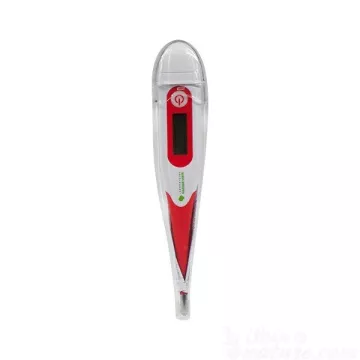
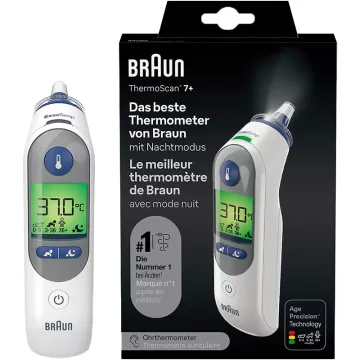
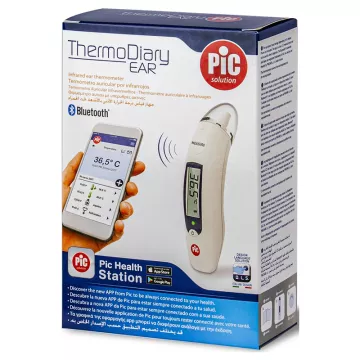
Temperature can be measured using medical thermometers, which can be digital or mercury-based. Temperature can be taken orally, axillary (under the armpit), rectally, or in the ear. Infrared thermometers also provide quick, noninvasive readings.
What are the common causes of an abnormal body temperature?
An abnormal temperature can be caused by infections, inflammation, reactions to medications or toxins, and extreme environmental conditions. Illnesses such as the flu or COVID-19 can also cause a fever.
When should you be concerned about a high or low body temperature?
It is advisable to see a doctor if the temperature exceeds 38°C or falls below 35°C, especially if other concerning symptoms appear, such as chills, confusion, a rash, or difficulty breathing.
How can you effectively manage a fever at home?
To manage a fever at home, it’s recommended to stay hydrated, get plenty of rest, and use fever-reducing medications such as acetaminophen or ibuprofen, always following the dosage instructions. It’s also helpful to wear light clothing and cool off with a damp cloth.
What technological innovations are available for monitoring body temperature?
Smart clothing capable of actively regulating temperature and mobile apps connected to wearable devices that monitor temperature in real time are examples of innovations in this field. These technologies offer new ways to monitor and manage physical health.
How important is body temperature regulation in sports?
In sports, body temperature regulation is essential for optimizing performance and avoiding risks associated with overheating or hypothermia. Athletes must therefore adjust their hydration, clothing, and recovery strategies based on weather conditions to maintain an ideal body temperature.
How do weather conditions affect body temperature regulation?
Extreme weather conditions—whether intense heat or freezing cold—place significant stress on the body’s thermoregulatory system. In response, the body must work harder to maintain a stable temperature, which can lead to increased fatigue and an increased risk of dehydration or hypothermia.
What are the signs of body temperature dysregulation?
Signs of body temperature dysregulation may include shivering, abnormally hot or cold skin, confusion, lethargy, and, in extreme cases, seizures. Quickly recognizing these signs is crucial for effective intervention.
What role does nutrition play in regulating body temperature?
Nutrition plays a key role in thermoregulation. Certain nutrients, such as omega-3 fatty acids and antioxidants, can help improve circulation and optimize the body’s thermal response. In addition, adequate hydration is vital for sweating, a key mechanism for cooling the body.
What precautions should be taken for people who are sensitive to temperature fluctuations?
Older adults, young children, and those with preexisting medical conditions are particularly vulnerable to changes in body temperature. It is recommended to closely monitor their environment, ensure adequate hydration, and limit exposure to extreme temperatures. Appropriate clothing and prompt access to medical care are also recommended to prevent complications.