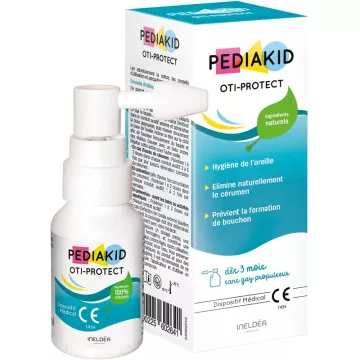
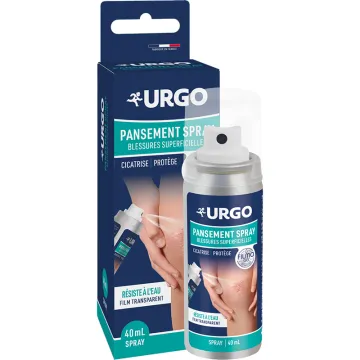
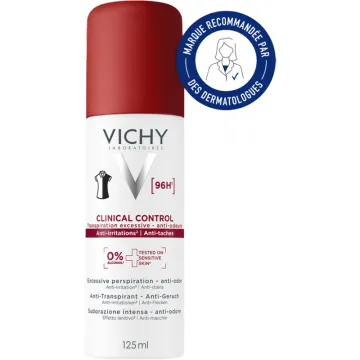
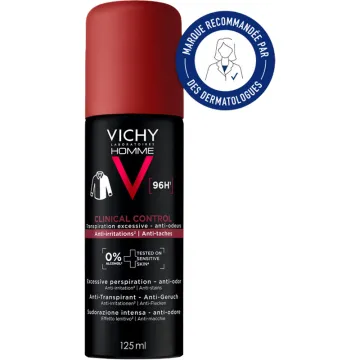
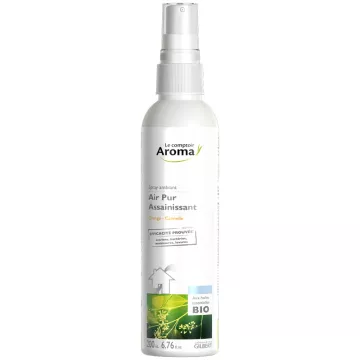
What is a spray, and how does it work?
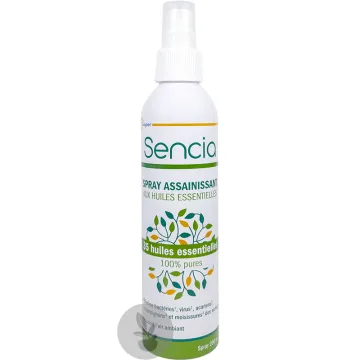
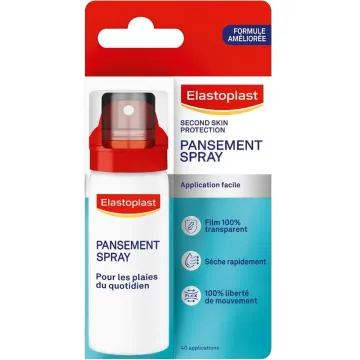
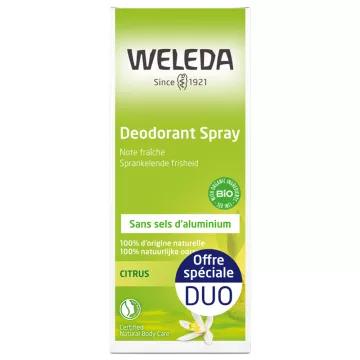
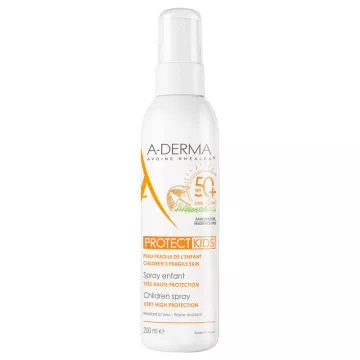
A spray is a device designed to disperse a liquid into fine droplets, allowing for targeted and uniform application. This format is commonly used for a variety of products, ranging from cosmetics to cleaning products and medications. A spray operates using a dispensing system that can be activated manually or automatically to create a fine mist that spreads effectively over a surface or into the air.
What are the main advantages of using spray-format products?
The spray format offers several significant advantages:
- Even application: Sprays ensure uniform distribution of the product, which is particularly beneficial for surface treatments or skincare.
- Economical use: Thanks to the mist, it’s possible to cover a large area with a small amount of product, thereby reducing waste.
- Ease of use: Sprays are often perceived as easier and more pleasant to use, especially when applying cosmetic or medical products.
- Hygiene: The spray format minimizes direct contact, which helps prevent cross-contamination.
In which industries are sprays commonly used?
Sprays are widely used in various industries:
- Cosmetics: For perfumes, hairsprays, and moisturizing sprays.
- Pharmaceutical: Nasal sprays, oral sprays, and disinfectants.
- Household cleaning: Cleaning products, air fresheners, and insecticides.
- Industrial: Lubricants, aerosol paints, and protective coatings.
How do you choose the right type of spray for a specific application?
The choice of a spray should be guided by several key criteria:
- Product type: The nature of the product (viscosity, chemical components) determines the type of dispensing system to use.
- Intended use: The required precision and coverage area influence the choice between a fine mist spray or a more direct spray.
- Safety and regulatory compliance: Ensure that the spray complies with safety standards and regulations specific to each industry.
What are the recent developments in spray technology?
Technological advances have led to the development of more effective and environmentally friendly sprays. Innovations include:
- Propellant-free systems: The use of mechanical systems to reduce the use of pressurized gases, which are less environmentally friendly.
- Improved precision: Enhanced spray nozzles allowfor more precise application, reducing waste.
- Advanced formulations: Formulas that allow for better product dispersion without compromising effectiveness.
How should spray products be stored properly?
Storing spray productsproperly is essential for maintaining their effectiveness and ensuring safety. It is recommended to:
- Store at room temperature: Avoid extreme temperatures that can affect the product’s pressure and composition.
- Avoid direct exposure to sunlight: UV rays can degrade certain chemical components.
- Keep out of reach of children: Sprays can be dangerous if swallowed or if they come into contact with the eyes.
- Check the container for damage: Make sure the packaging is not damaged to prevent leaks or breakage.
Can sprays affect the environment?
The environmental impact of sprays can be significant, particularly due to the propellants used in aerosols. However, there are more eco-friendly alternatives:
- Water-based propellants: Some products use compressed air or water as propellants to reduce greenhouse gas emissions.
- Recyclable packaging: Choose products with recyclable containers to minimize waste.
- Biodegradable formulations: Look for sprays containing ingredients that are less harmful to the environment.
What are the potential risks associated with using sprays?
The use of sprays is not without risks, especially if the products are handled improperly. Risks include:
- Inhalation of chemicals: Some sprays can release harmful volatile compounds.
- Skin or eye irritation: Fine particles can cause irritation if they come into contact with the skin or eyes.
- Fire hazard: Sprays containing flammable propellants must be used with caution.
It is crucial to follow the manufacturer’s instructions and use the recommended personal protective equipment during application.
Can you travel with sprays on an airplane?
Traveling with sprays on an airplane is permitted, but under certain strict conditions:
- Adhere to quantity limits: Most airlines limit the amount of liquids, including sprays, to 100 ml per container.
- Pack properly: Sprays must be placed in a clear, resealable plastic bag to prevent leaks.
- Declare sprays at the airport: Inform security that you have sprays in your luggage to avoid delays.
How can you maximize the effectiveness of spray products?
To maximize the effectiveness of spray products, consider the following tips:
- Shake before use: This helps mix the ingredients for even application.
- Maintain the correct distance: Applying the spray at the optimal distance (usually between 15 and 30 cm) ensures better coverage.
- Clean the nozzles: Prevent clogs by regularly cleaning the spray nozzles to ensure continuous and effective spraying.