What is a vegetable soap, and how does it differ from regular soap?
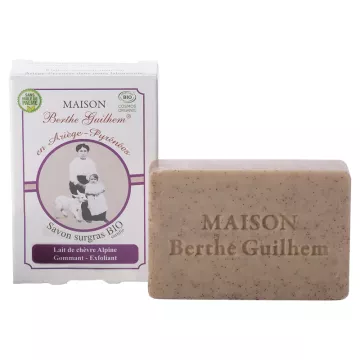
A vegetable soap is a soap made exclusively from plant-based fats—oils and butters—saponified with an alkaline base (soda or potash). It differs from conventional industrial soaps in that it contains no animal fats (tallow) or petroleum-derived mineral oils.
- Conventional industrial soap: may contain tallow (beef fat), mineral oils, synthetic detergents, preservatives—often with an uncontrolled alkaline pH
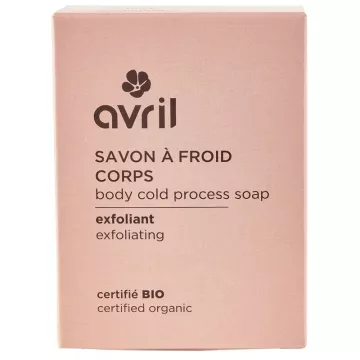
- Cold-process vegetable soap: vegetable oils + lye—glycerin naturally present in the soap (not removed, unlike in industrial soaps)—moisturizing properties preserved
- Hot-process vegetable soap: same composition but different manufacturing process—glycerin is less fully incorporated, and the oils’ properties are more degraded
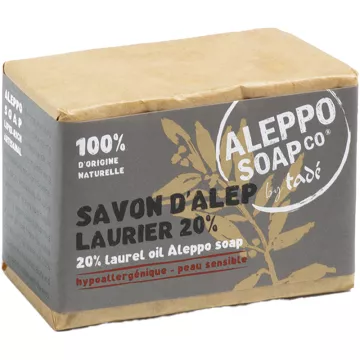
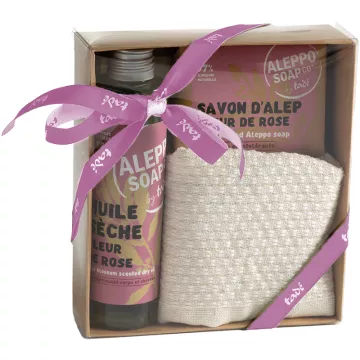
- Aleppo soap: a historic benchmark for vegetable soap — olive oil + laurel berry oil — the higher the laurel content, the more potent and expensive the soap
- Castile soap: 100% saponified olive oil—very mild, naturally superfatted with olive oil, long curing time
Which plant oils define a soap’s profile?
The choice of base oils is the most important decision in formulating a plant-based soap—each contributes distinct properties.
- Coconut oil: lauric and myristic acids—abundant lather and powerful cleansing—excellent for hard soaps—may be drying if too dominant (>30%) on dry skin
- Olive oil: predominantly oleic acid—gentle soap, hard bar, naturally slightly superfatted—creamy lather—the base for Castile and Aleppo soaps
- Sustainable palm oil: palmitic acid—adds hardness to the bar and extends shelf life—environmentally controversial; look for RSPO-certified
- Shea butter: stearic acid + unsaponifiables — provides superfatting and softness — effective for sensitive skin
- Castor oil: ricinoleic acid — maintains lather and moisture — always used in combination (max 5–10% in the formula)
Natural vegetable soap vs. certified organic soap: what’s the real difference?
The term “natural” is not regulated in cosmetics—unlike “certified organic.”
- “Natural soap ”: a marketing claim with no legal standing—a soap can be called “natural” even with ingredients of questionable origin—the term alone guarantees nothing
- Cosmos Organic (Ecocert)-certified plant-based soap: certified organic ingredients, no petrochemicals, sustainable packaging—guaranteed by a third-party organization
- "Cold-processed" label: an artisanal process that preserves natural glycerin and unsaponifiables—real added value even without organic certification
- On the INCI list: “sodium olivate,” “sodium cocoate,” “sodium shea butterate” = saponified oils — the “sodium [oil]” name confirms that it is a genuine saponified plant-based soap
How to properly use and store a solid plant-based soap?
- Wet your hands or body with lukewarm water—rub the soap between your hands to create a lather before applying it—avoid rubbing the bar directly on sensitive areas
- Rinse thoroughly — the natural glycerin leaves a light, velvety film that disappears when rinsed completely
- Pat dry; apply body lotion if your skin is dry—the soap’s alkaline pH (even in plant-based soaps) can temporarily disrupt the skin’s acid mantle
- A draining, ventilated soap dish—essential for the soap’s longevity—plant-based soaps rich in unsaponifiables are more sensitive to water than industrial soaps
- For large bars: cut into several pieces; store the rest in a vacuum-sealed bag or an airtight container
- See our personal care line