What are the main causes of wrinkles, and how can they be prevented?
Wrinkles result primarily from the skin’s natural aging process, which is exacerbated by several external and internal factors. As we age, the skin loses collagen and elastin, leading to a decrease in firmness and elasticity. External factors such as excessive sun exposure, pollution, smoking, and even an unbalanced diet can accelerate this process. To prevent the appearance of wrinkles, it’s essential to adopt a skincare routine that includes adequate hydration, regular use of sunscreen, and a diet rich in antioxidants. Avoiding tobacco and limiting exposure to pollutants are also key measures.
What non-surgical techniques are effective for reducing the appearance of wrinkles?
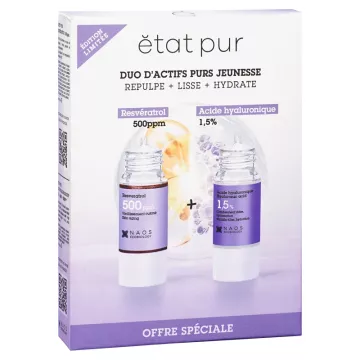
Several non-surgical techniques can help reduce the appearance of wrinkles. Anti-aging creams containing active ingredients such as retinol, hyaluronic acid, or vitamin C are very effective. These substances help stimulate collagen production and hydrate the skin. In addition, treatments such as chemical peels, microdermabrasion, and laser therapy can be used to renew the skin’s surface layers, contributing to a smoother, more youthful appearance.
How do Botox injections help smooth out wrinkles?
Botox is a botulinum toxin used to temporarily relax facial muscles. When injected into targeted areas, Botox prevents the muscles from contracting, which helps smooth out wrinkles caused by repeated facial expressions. Commonly treated areas include forehead wrinkles, crow’s feet around the eyes, and expression lines between the eyebrows. The effects of Botox can last three to six months, after which treatments can be repeated to maintain the results.
What role does diet play in preventing wrinkles?
Diet plays a crucial role in skin health and can influence the appearance of wrinkles. Foods rich in antioxidants, such as colorful fruits and vegetables, nuts, seeds, and fatty fish, help protect the skin from damage caused by free radicals. Adequatewater intake is also essential for maintaining skin hydration, which can help delay the formation of wrinkles. Incorporating foods rich in vitamins A, C, and E, as well as minerals like zinc and selenium, can strengthen the skin from the inside out.
What role does collagen play in preventing wrinkles, and how can its production be stimulated?
Collagen is a vital protein that provides the skin with structure, elasticity, and resilience. Its production naturally declines with age, leading to the appearance of wrinkles and fine lines. To stimulate collagen production, incorporate foods rich in vitamin C and lysine into your diet, such as citrus fruits, berries, fish, and lean meats. Cosmetic treatments such as microneedling or fractional laser therapy can also encourage the skin to produce more collagen naturally.
Can wrinkles really be reduced with natural remedies?
Natural remedies can play a supportive role in managing wrinkles, although their effects are generally more subtle compared to clinical treatments. Ingredients likealoe vera, honey, andcoconut oil are known for their moisturizing and healing properties. Regular application of these products can help hydrate the skin and improve its elasticity. However, for visible and long-lasting results, these methods must be combined with more intensive dermatological treatments.
What are the benefits and risks of laser treatments for smoothing wrinkles?
Laser treatments for wrinkles use concentrated beams of light to remove the superficial layers of damaged skin while stimulating the growth of new, smoother skin. The benefits include a significant improvement in skin texture and firmness. However, these treatments may carry risks such as redness, swelling, and, in rare cases, burns or changes in pigmentation. It is crucial to consult a qualified dermatologist to assess your eligibility for this type of treatment.
How can aesthetic medicine help combat deep wrinkles?
Aesthetic medicine offers several options for treating deep wrinkles, such as dermal fillers, which can fill in hollows and smooth out areas of the skin affected by wrinkles. Substances such ashyaluronic acid are injected directly into the wrinkles, providing an immediate smoothing effect. These treatments are generally safe when performed by qualified professionals and offer temporary results that require regular maintenance sessions.
What is skin resurfacing, and how is it used to treat wrinkles?
Skin resurfacing is a treatment method that involves the use of lasers, intense pulsed light (IPL), or chemical peels to remove the upper layers of the skin, allowing a new, smoother, and more youthful layer of skin to regenerate. This technique is particularly effective for treating wrinkles, acne scars, and sun damage. Skin resurfacing can significantly improve the overall appearance of the skin, but it requires a recovery period during which the skin heals and regenerates.