What are the best ingredients for healthy skin?
Ingredients play a crucial role in the effectiveness of skincare products. Here are the most recommended ones:
- Hyaluronic Acid: This powerful moisturizer retains up to 1,000 times its weight in water, making it an essential ally for maintaining skin hydration.
- Vitamin C: A well-known antioxidant, it helps reduce dark spots and even out skin tone while stimulating collagen production.
- Retinol: This vitamin A derivative is renowned for its ability to reduce wrinkles, smooth skin texture, and improve cell turnover.
- Niacinamide: This form of vitamin B3 is excellent for soothing inflammation, reducing redness, and tightening pores.
- Green tea extracts: Rich in antioxidants, they help protect the skin from environmental damage and reduce the signs of aging.
What is the ideal skincare routine?
A well-structured skincare routine is essential for achieving and maintaining healthy, radiant skin. Here are the recommended steps:
- Cleansing: Use a gentle cleanser suited to your skin type to remove impurities and makeup without stripping the skin’s barrier.
- Exfoliation: Exfoliate your skin 1 to 2 times a week to remove dead skin cells and promote cell renewal.
- Toner: Apply a toner to rebalance the skin’s pH and prepare it for the next steps in your routine.
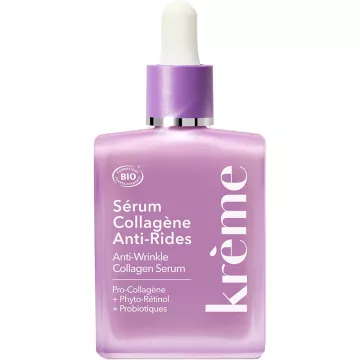
- Serum: Use a serum concentrated in active ingredients that target your specific concerns (hydration, anti-aging, dark spot correction).
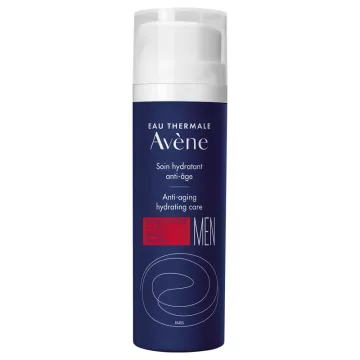
- Moisturizer: Hydrate your skin with a moisturizer suited to your skin type to strengthen the skin barrier.
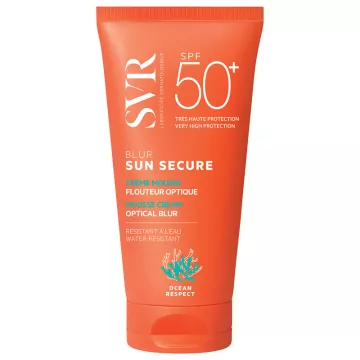
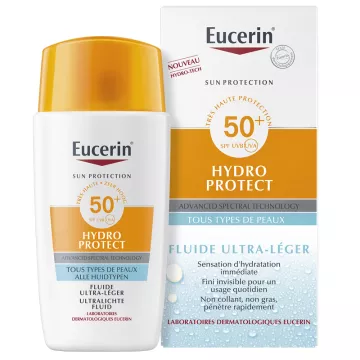
- Sunscreen: Apply sunscreen with an SPF of 30 or higher every morning to protect your skin from harmful UV rays.
How can you prevent and treat pimples and acne?
Preventing and treating acne requires a consistent and personalized approach:
- Cleanse your skin twice a day with a gentle cleanser to prevent the buildup of sebum and bacteria.
- Use non-comedogenic products to prevent clogged pores.
- Exfoliate regularly but gently to avoid irritating the skin.
- Apply spot treatments containing ingredients such as benzoyl peroxide, salicylic acid, or sulfur to reduce inflammation and bacteria.
- See a dermatologist if your acne persists or worsens, as medical treatment may be necessary.
What are the benefits of natural skincare?
Natural skincare is becoming increasingly popular for its gentle benefits and suitability for all skin types. Here are a few advantages:
- Less irritation: Natural products contain fewer harsh chemicals, which reduces the risk of irritation and allergic reactions.
- Nutrient-rich ingredients: Plant extracts, essential oils, and natural butters are often rich in vitamins, antioxidants, and essential fatty acids that are beneficial for the skin.
- Environmentally friendly: Natural products are often made in an eco-friendly way, without animal testing, and with biodegradable or recyclable packaging.
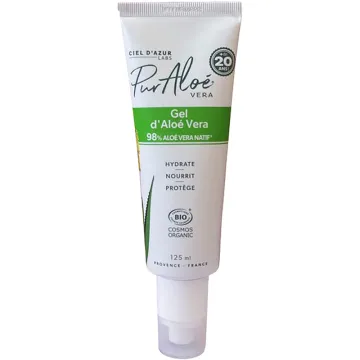
- Proven effectiveness: Many natural ingredients, such as aloe vera, honey, and jojoba oil, have proven moisturizing, soothing, and restorative properties.
How to Choose the Right Skincare Product?
Choosing the right skincare product may seem complicated, but here are a few guidelines to help you:
- Know your skin type: Determine whether your skin is dry, oily, combination, sensitive, or mature. Each skin type has specific needs.
- Read the labels: Look for products containing active ingredients tailored to your skin concerns (hydration, anti-aging, anti-acne).
- Avoid irritating ingredients: Steer clear of products containing sulfates, parabens, artificial colors, and artificial fragrances, which can irritate the skin.
- Test before you buy: If possible, ask for samples or buy travel-size products to test your skin’s tolerance before investing in a full-size product.
- Check reviews and recommendations: Read reviews from other users and consult reliable sources to get recommendations tailored to your needs.
By following these tips and choosing the right products, you can build an effective skincare routine that meets your specific needs. Be sure to incorporate high-quality products, rich in beneficial ingredients, to achieve healthy, radiant skin.
How to Treat Dark Spots and Hyperpigmentation?
Dark spots and hyperpigmentation can be caused by various factors, including sun exposure, hormonal changes, and acne scars. Here are some effective methods for treating them:
- Using vitamin C: This powerful antioxidant helps lighten dark spots and even out skin tone.
- Depigmenting creams: Products containing hydroquinone, kojic acid, or licorice are effective at reducing pigmentation.
- Chemical exfoliants: Peels containing alpha-hydroxy acids (AHAs) or beta-hydroxy acids (BHAs) promote cell turnover and reduce the appearance of dark spots.
- Retinoids: Retinol- or tretinoin-based creams increase skin cell turnover, thereby reducing dark spots.
- Sun protection: Use a broad-spectrum sunscreen daily to prevent dark spots from worsening and to protect ongoing treatments.
How important ishydration in skincare?
Hydration is essential for maintaining healthy, supple skin. Here’s why it’s crucial:
- Wrinkle prevention: Well-hydrated skin is more elastic and less prone to wrinkles and fine lines.
- Skin barrier: Hydration strengthens the skin barrier, preventing transepidermal water loss and protecting against external aggressors.
- Repair and regeneration: Hydrated skin repairs itself more easily and has a greater ability to regenerate.
- Comfort and appearance: Hydration reduces feelings of tightness and redness, and gives the skin a smoother, more radiant appearance.
What are the best anti-aging treatments?
To prevent and treat the signs of aging, it’s important to use targeted treatments. Here are some effective options:
- Retinoids: These vitamin A derivatives stimulate cell turnover and collagen production, reducing wrinkles and improving skin texture.
- Peptides: These chains of amino acids help strengthen the skin’s structure by stimulating the production of collagen and elastin.
- Antioxidants: Vitamin C, vitamin E, and green tea extracts protect the skin from damage caused by free radicals.
- Hyaluronic acids: They deeply hydrate and plump the skin, thereby reducing the appearance of wrinkles.
- Laser and light therapies: Fractional laser and intense pulsed light (IPL) treatments can improve skin elasticity and reduce age spots.
How to Treat Rosacea and Skin Redness?
Rosacea is a chronic skin condition characterized by redness and visible blood vessels. Here are some strategies for managing it:
- Mild cleansers: Use soap-free and fragrance-free cleansers to avoid irritating the skin.
- Soothing creams: Products containing niacinamide, azelaic acid, or centella asiatica can reduce inflammation and soothe redness.
- Avoid triggers: Identify and avoid triggers such as spicy foods, alcohol, extreme temperatures, and stress.
- Sun protection: Use a broad-spectrum mineral sunscreen to protect sensitive skin affected by rosacea.
- Medical treatments: Consult a dermatologist for treatment options such as brimonidine-based creams or laser therapies.
What are the benefits of daily sun protection?
Daily sun protection is essential for maintaining healthy skin and preventing various skin problems. Here are its main benefits:
- Skin cancer prevention: Regular application of sunscreen reduces the risk of skin cancer by protecting against harmful UV rays.
- Reduced signs of aging: Sun protection prevents UV-induced damage, such as wrinkles, age spots, and loss of firmness.
- Prevention of dark spots: By protecting the skin from UV rays, sunscreen helps prevent the appearance of pigment spots and melasma.
- Improved overall skin health: Skin protected from UV rays is less prone to inflammation, redness, and other irritations caused by sun exposure.