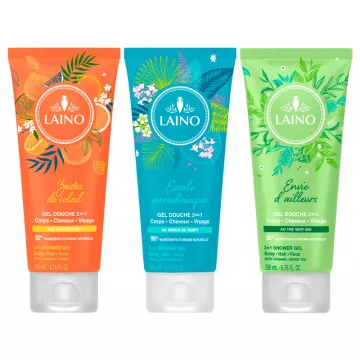
Shower Gel or Bar Soap: What Are the Real Differences for the Skin?
Shower gel is a surfactant-based emulsion or aqueous solution—its liquid form allows it to incorporate moisturizing ingredients and be formulated to a specific pH, which traditional soap cannot always guarantee. Classic bar soap has a naturally alkaline pH (9–10) that can disrupt the skin’s microbiome on sensitive skin —syndets (pH-neutral bar soaps) avoid this problem.
- Shower gel: controlled pH (ideally 5.5), enriched with moisturizing ingredients, for individual use (no contact with damp surfaces between users)
- Traditional bar soap: alkaline pH, economical, less packaging—may dry out atopic skin if it’s traditional
- Solid syndet: the best of both worlds—eco-friendly solid format + physiological pH + gentle active ingredients
Which shower gel should you choose based on your skin type?
There’s no one-size-fits-all shower gel—the active ingredients and formulation must match your skin type.
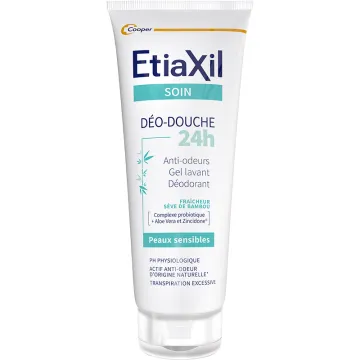
- Sensitive and reactive skin: free of harsh sulfates (SLS/SLES), fragrance-free, alcohol-free — mild surfactants (coc-glucoside, lauryl glucoside) — labeled “dermatologically tested” or “hypoallergenic”
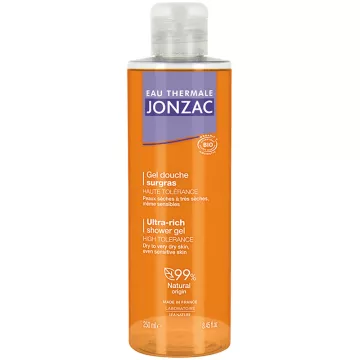
- Dry and atopicskin: ultra-moisturizing shower gel enriched with shea butter, sweet almond oil, or oats—the ultra-moisturizing formula compensates for the loss of lipids during cleansing
- Combination to oily skin: purifying formula with green clay, activated charcoal, or zinc — regulates sebum without drying out dry areas
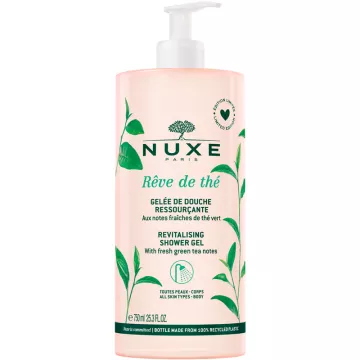
- Normal skin: neutral shower gel or one enriched with antioxidant ingredients (aloe vera, green tea) — daily care without specific targeting
- Sports use: post-workout purifying gel—refreshing formulas (menthol, eucalyptus) for muscle relief—light textures that rinse off quickly
What are the criteria for an eco-friendly shower gel?
The environmental impact of personal care products is now a key selection criterion in its own right.
- Sulfate-free (SLS/SLES): breaks down more quickly and is less irritating to aquatic ecosystems
- Paraben- and silicone-free: potential endocrine disruptors that are poorly biodegradable
- Plant-based and certified organic ingredients: reduce the chemical impact of the production chain
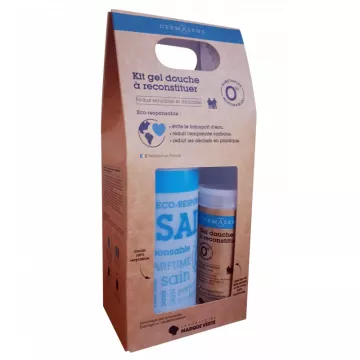
- Recyclable packaging or refills: refillable formats reduce plastic use by 80%
- Concentrated formula: less water = less weight = less transportation = reduced carbon footprint
- Certifications: Cosmos Organic, Ecocert, Nature et Progrès — ensure consistency between natural claims and the actual formulation
Why is the pH of shower gel so important?
The skin’s pH (4.5–5.5) is a key protective factor—maintaining it is the primary goal of a good cleanser.
A shower gel that is too alkaline (pH > 7) breaks down the hydrolipidic film, stimulates pathogenic skin microorganisms, and exacerbates dryness and sensitivity. A shower gel with a physiological pH (5–5.5) preserves this protective barrier—which is crucial for people with atopic skin, contact dermatitis, or highly reactive skin. Check for “pH-balanced” or “physiological pH” on the label—or test with pH paper if the formula doesn’t specify it.
What precautions should be taken with scented shower gels?
- Synthetic fragrances are the leading cause of contact dermatitis in rinse-off products—if you have a tendency toward allergies, always choose fragrance-free products
- Natural fragrances (essential oils): better tolerated but not free of allergens—ingredients required to be listed under Regulation (EC) No. 1223/2009 (linalool, limonene, geraniol, etc.) must appear on the label
- Children under 3 years old: fragrance-free and free of essential oils—specific baby product lines are recommended
- Pregnant women: Avoid shower gels containing essential oils that have not been evaluated
- Store in a cool place away from light—natural fragrances oxidize quickly when exposed to heat