What is a prickly pear, and what are its properties?
The prickly pear is the fruit of Opuntia ficus-indica, a cactus native to Central America that is now widely cultivated in the Mediterranean, North Africa, and Mexico. Rich in flavonoids, betalains (specific antioxidant pigments), vitamin C, B vitamins, magnesium, and potassium, it is valued in the nutraceutical and cosmetic industries for its well-documented active ingredients. Prickly pear-based supplements and cactus oil skincare products are available in the natural antioxidants line.
- Powerful antioxidants: betalains (betacyanins + betaxanthins) are antioxidant pigments found exclusively in certain cacti and Chenopodiaceae plants—protection against oxidative stress, neutralization of free radicals—activity that complements that of traditional carotenoids and polyphenols
- Vitamin C and flavonoids: high levels for a fruit from arid regions—vitamin C supports immunity, collagen synthesis, and the absorption of non-heme iron—the flavonoids kaempferol and quercetin enhance antioxidant activity
- Soluble fiber: mucilage and pectin — regulation of postprandial blood glucose levels (low glycemic index) — prolonged satiety — modulation of intestinal transit — prebiotics for the colonic microbiota
- Potassium and magnesium: favorable potassium-to-sodium ratio — supports normal blood pressure — magnesium contributes to muscle and nerve function
What are the documented benefits of prickly pear oil?
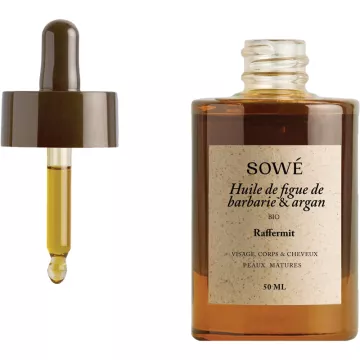
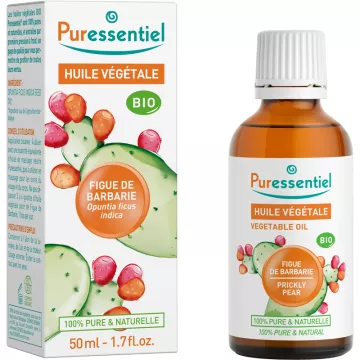
Prickly pear oil (extracted from the seeds by cold-pressing) is one of the vegetable oils richest in vitamin E (tocopherols)—up to 150 mg/100 g depending on the source—and in unsaturated fatty acids (a balanced ratio ofomega-3 and omega-6). This exceptional richness justifies its price and its use in high-quality cosmetics.
- Documented anti-aging benefits for the skin: vitamin E protects skin cell membranes against lipid peroxidation—essential fatty acids maintain membrane fluidity and restore the skin barrier—supports collagen synthesis when combined with vitamin C
- Hydration and firmness: absorbs quickly without leaving a greasy residue—forms an emollient film on dry and mature skin —visibly improves elasticity and reduces the appearance of fine lines with regular use—a few drops as a nighttime treatment or in an oil bath
- Quality and traceability: Choose prickly pear seed oil from certified organic farming (Ecocert, Cosmos) — cold-pressed — packaged in airtight amber bottles to preserve the tocopherols — very low extraction yield (1 metric ton of seeds per 1 liter of oil), which explains the high cost
What are its uses as a dietary supplement, and what precautions should be taken?
- Weight management and carbohydrate metabolism: mucilaginous fibers bind water and slow the absorption of sugars — reduces the glycemic index of meals — studies on the short-term appetite-suppressing effect of concentrated extracts — should be combined with a balanced diet and physical activity
- Cardiovascular health: betalains and flavonoids reduce LDL peroxidation—potassium helps maintain normal blood pressure (EFSA claim)—soluble fiber helps maintain normal cholesterol levels
- Available forms: freeze-dried fruit powder (betalain and vitamin C concentrate), standardized extract in capsules, seed oil in softgels—check for standardization of active ingredients (% betalains, % tocopherols) and quality certifications (GMP)
- Precautions: Reddish-purple discoloration of stool and urine is harmless and related to betalains — no documented drug interactions at high doses in diabetics taking hypoglycemic medication (additive effect on blood glucose levels — consult a healthcare professional) — Insufficient data for pregnant and breastfeeding women—professional advice recommended before starting a course of treatment