What is a plant-based vitamin, and how does it differ from a synthetic vitamin?
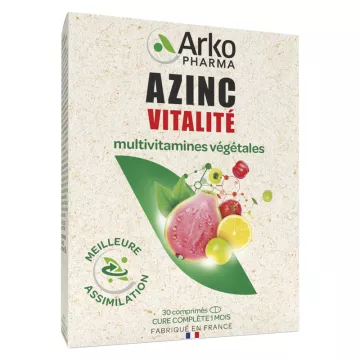
Plant-based vitamins are vitamins extracted or derived from plant sources—plants, algae, lichens, yeasts, or fungi—as opposed to synthetic vitamins produced chemically in a laboratory. The question of which is superior is more nuanced than it seems: some natural forms offer better bioavailability thanks to associated phytochemical cofactors, while others (such as synthetic vitamin C) have equivalent bioavailability. Discover our natural antioxidant formulas and our immune-boosting supplements made from concentrated plant extracts.
- Vitamins naturally found in plants: vitamin C (acerola, blackcurrant, bell pepper, kiwi) — vitamin E (tocopherols and tocotrienols) (wheat germ, sunflower, red palm oil) — vitamin K1 (spinach, broccoli, Brussels sprouts) — beta-carotene, a precursor to vitamin A (carrots, sweet potatoes, squash) — B vitamins (legumes, whole grains, green vegetables for B1, B2, B3, B5, B6, B9)
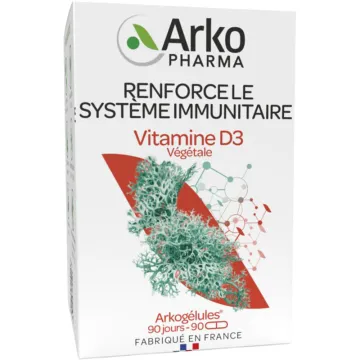
- Vitamins absent or rare in plants: vitamin B12 (absent—found only in animal products → supplementation is essential for vegans; see the vitamin B12 page) — vitamin D3 (virtually absent except in lichen → vegan D3 derived from Cladonia arbuscula lichen is available; see vitamin D3)
- Phytochemical cofactors: a major advantage of natural vitamins—vitamin C from acerola is accompanied by bioflavonoids (rutin, hesperidin) that enhance its antioxidant activity and prolong its duration of action—the natural tocotrienols in vitamin E from red palm oil have greater neuroprotective activity than synthetic tocopherols
- Natural vs. synthetic vitamin C: synthetic vitamin C (L-ascorbic acid) has the same bioavailability as isolated natural vitamin C—the difference lies in the cofactors: acerola or rosehip extracts contain associated bioflavonoids and polyphenols that are absent from pure synthetic forms
- Beta-carotene vs. synthetic retinol: plant-based beta-carotene (provitamin A) is converted to vitamin A as needed by the body → no risk of vitamin A overdose — Synthetic retinol, on the other hand, is toxic at high doses (teratogenic during pregnancy at > 3,000 µg/day) → choose plant-based beta-carotene as a source of vitamin A
Plant-Based Vitamins and Veganism: Points to Consider
- Vitamin B12: the inevitable deficiency: no plant contains bioavailable B12 in sufficient quantities — algae (spirulina, nori) contain B12 analogs that are minimally or not at all active in humans — only supplementation with true B12 (methylcobalamin, cyanocobalamin) guarantees an adequate intake for vegans
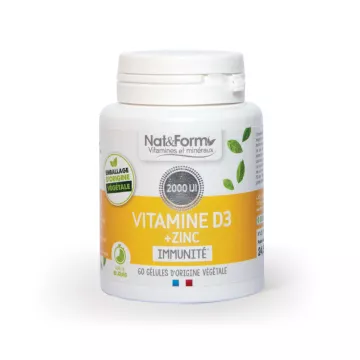
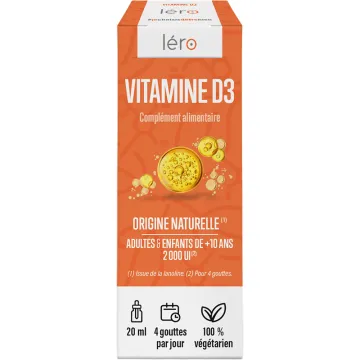
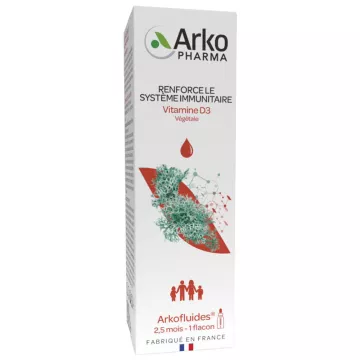
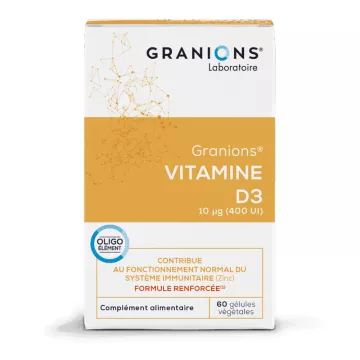
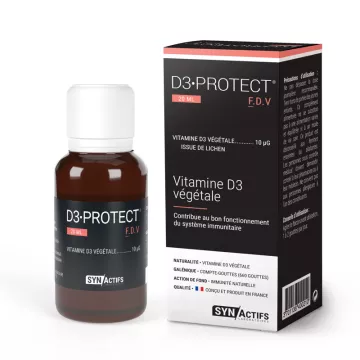
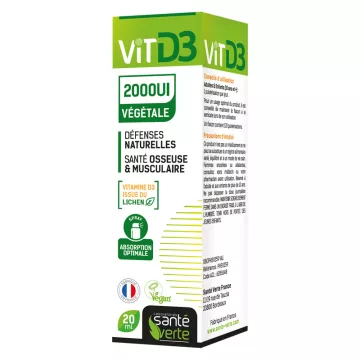
- Vegan Vitamin D3 (from lichen): Historically, D3 (cholecalciferol) was extracted from lanolin (sheep’s wool) → not vegan—in recent years, certified vegan D3 has been extracted from the lichen Cladonia arbuscula—same efficacy as animal-derived D3—available in drops and tablets
- Plant-based non-heme iron: Plants contain non-heme iron (spinach, lentils, tofu), of which 2–10% is absorbed, compared to 20–35% for animal iron—always pair it with a plant-based source of vitamin C (citrus fruits, bell peppers, kiwi) to triple the absorption of plant-based iron
- Plant-based vitamin K2 (natto): Vitamin K2 in the MK-7 form is found in natto (fermented Japanese soybeans)—a rare and concentrated plant-based source of K2—a vegan alternative to animal-derived K2 supplements—with documented cardiovascular and bone health benefits
- Plant-based omega-3s (ALA) and conversion: ALA from flaxseed and chia seeds is a precursor to long-chain omega-3s (EPA, DHA)—enzymatic conversion is limited in humans (5–10%) — vegans should supplement with EPA/DHA derived from marine microalgae (a vegan source of long-chain omega-3s)
Key plant-based sources for skin, hair, and immunity
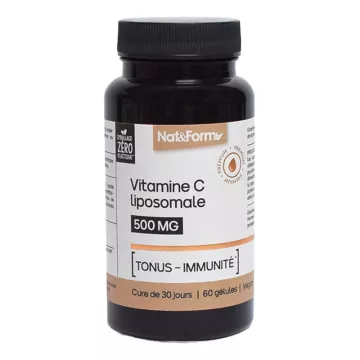
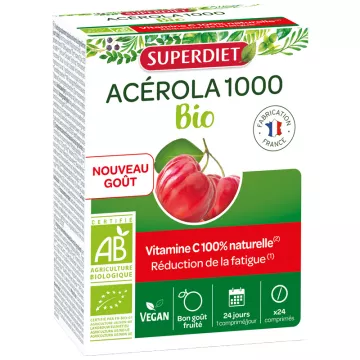
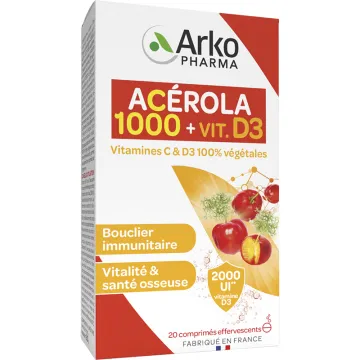
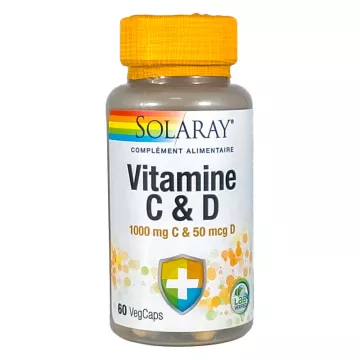
- Acerola: the tropical fruit richest in natural vitamin C (1,500–4,500 mg/100 g)—along with its associated bioflavonoids—available in powder, tablet, or freeze-dried extract form—find our formulas in our vitamin C line
- Algae and spirulina: rich in beta-carotene (provitamin A), B vitamins (except active B12), vitamin E, iron, and zinc—spirulina contains inactive pseudo-analogs of B12 → do not rely on spirulina to meet your B12 needs
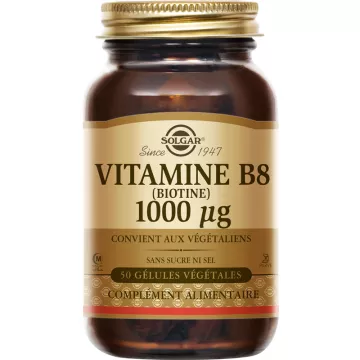
- Skin and hair: plant-based vitamin C (acerola) stimulates collagen synthesis—vitamin E from plant oils protects the skin’s cell membranes against oxidation—biotin (B8) from legumes and whole grains strengthens the keratin in hair and nails
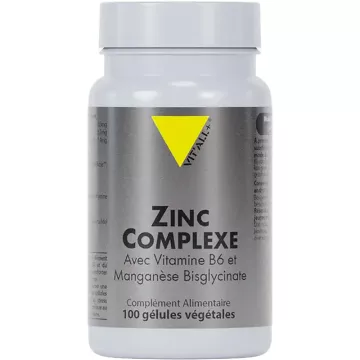
- Immunity and plant-based antioxidants: vitamin C (citrus fruits, bell peppers, acerola) + vitamin E (plant oils, nuts) + beta-carotene (orange vegetables) + selenium (Brazil nuts) + zinc (pumpkin seeds, legumes) = a comprehensive plant-based antioxidant shield—find these formulas in our natural antioxidants line
- Children and plant-based vitamins: Children can certainly be nourished with plant-based vitamins, provided you monitor B12 (routine supplementation if vegan), D3 (supplementation starting at birth), iron (annual checkup), and zinc (varied diet)—see our pediatric B vitamins
Choosing and Using Plant-Based Vitamins as Supplements
- Certifications to look for: Vegan Society or V-Label certification (guarantees the absence of any animal-derived ingredients) — AB or Ecocert organic certification (pesticide-free raw materials) — GMO-free — extraction without harsh chemical solvents (supercritical CO₂ or aqueous extraction preferred)
- Plant-based dosage forms: plant-based capsules (HPMC or pullulan, no animal gelatin) — tablets without animal-derived magnesium stearate — liquids in ampoules without animal-derived excipients — see also our page on liquid vitamins for the most easily absorbed forms
- Optimal bioavailability: plant-based fat-soluble vitamins (beta-carotene, E, K) → always with a meal containing fats — plant-based water-soluble vitamins (C, B) → with a large glass of water — acerola or rosehip extract with bioflavonoids → even more effective than isolated vitamin C
- Drug interactions: plant-based vitamin K (spinach, broccoli, natto K2 supplements) → monitor INR when taking anticoagulants (warfarin) — high-dose vitamin E → potential anticoagulant effect — high-dose vitamin C → may alter the absorption of certain medications — always inform your doctor and pharmacist
- Storage of plant-based supplements: Keep away from heat, moisture, and light — plant extracts are often more delicate than synthetic vitamins — check the expiration date and storage conditions on the label