The olive is the fruit of the olive tree (Olea europaea), an iconic tree of the Mediterranean region that has been cultivated since ancient times. Eaten as a table fruit or processed into oil, the olive is at the heart of the Mediterranean diet, which has been recognized by scientific research. Rich in monounsaturated fatty acids, polyphenols, and vitamin E, the olive offers a nutrient-dense profile. Available as green or black olives, extra virgin olive oil, or leaf extracts, they can be incorporated into routines for general well-being and nutritional support.
Olives are primarily known for their high content of monounsaturated fatty acids (oleic acid) and polyphenols, antioxidant compounds that are well-documented in scientific literature. According to the literature, these compounds neutralize free radicals generated by daily metabolic stress, UV exposure, and environmental pollution. The antioxidant profile of olives, thanks to their vitamin E and phenolic compound content, makes their effects similar to those of other well-known Mediterranean fruits.
From a nutritional standpoint, olives offer a favorable fat profile, dominated by monounsaturated rather than saturated fatty acids. This composition makes them a valuable food in general nutritional strategies. The fiber found in whole olives supports healthy bowel regularity and contributes to a balanced diet. Since no specific health claims for olives have been validated by regulatory authorities, their benefits are part of a broader nutritional support strategy.
Green olives are harvested before they are ripe: they retain a firmer texture, a slightly bitter taste, and a slightly higher concentration of antioxidant polyphenols.Black olives reach maturity on the tree: they develop a milder flavor, a higher fat content, and a characteristic black color. In terms of antioxidants, green olives offer a slightly higher profile of phenolic compounds, although both types provide comparable nutritional value. The choice between green and black is based more on personal preferences for flavor and texture than on any fundamental difference in health benefits.
Extra virgin olive oil, obtained through the first cold press, retains the highest concentration of polyphenols and vitamin E. This oil is a natural emollient recognized in cosmetology for its ability to moisturize and protect dry skin. When applied to the skin or damaged hair, it deeply nourishes thanks to its high content of essential fatty acids, without causing excessive occlusion. Olive oil supportsskin elasticity and overall radiance, particularly in mature skin. When consumed raw as a dressing (1 to 2 tablespoons per day), it provides a daily intake of antioxidants and beneficial fatty acids. It can be used for gentle cooking, although heat slightly reduces the polyphenol content.
Olive leaves have been used for centuries in Mediterranean herbal medicine, particularly in Greek and Middle Eastern traditions. Rich in oleuropein and polyphenolic compounds, they offer a well-documented antioxidant effect. When consumed as an infusion (1–2 grams of dried leaves per 250 ml of hot water, steeped for 5–10 minutes), they serve as a traditional nutritional supplement without any claims of medical regulation. Standardized olive leaf extracts are also available in capsule or tincture form. The use of olive leaves is part of an approach to general well-being and cellular antioxidant support, without any claim to specific therapeutic effects.
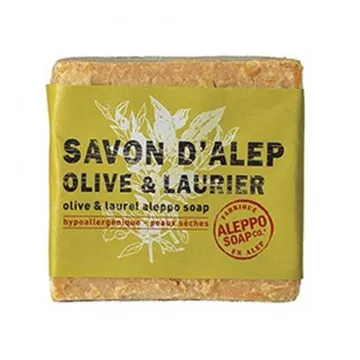
Olives and olive oil are fundamental ingredients in natural cosmetics. Found in traditional soaps (Marseille soap, Aleppo soap), they provide gentle cleansing while preserving the skin’s moisture. Olive oil enriches moisturizing and anti-aging creams, supporting the skin’s barrier and elasticity. In hair care, it nourishes dry or damaged hair, restoring shine and suppleness. Massage oils enriched with olive oil promote smooth, non-irritating application on the skin. The cosmetic use of olive oil has a long tradition and is highly tolerated by all skin types.
Olives can easily be incorporated into a nutritional and cosmetic routine. Table olives (green or black, pitted or unpitted) can be eaten as a food in their own right, added to salads, tapenades, or Mediterranean dishes.Extra virgin olive oil is used raw as a dressing (in salad dressings or for dipping bread) to preserve its polyphenols and delicate aromas. Gentle cooking is acceptable, though temperatures should not exceed 160–170°C to prevent accelerated degradation of antioxidant compounds. For cosmetic use, apply the oil directly to damp skin or hair 1–2 times a week; leave on for 10–15 minutes before rinsing gently. Olive leaf tea can be consumed daily, 1–3 cups depending on personal preference and digestive tolerance.
Olive oil naturally combines with other Mediterranean sources of antioxidants (vitamin C, grape polyphenols, resveratrol) to enhance cellular protection without any documented problematic interactions. In cooking, olive oil pairs easily with Mediterranean spices and herbs (rosemary, thyme, oregano), enhancing their nutritional benefits. In skincare, olive oil enriches masks made with white clay or honey without causing any incompatibility. There is no need to wait 1–2 hours between consuming olive oil and certain minerals (iron, calcium)—the fats in olive oil do not significantly affect their absorption, as tannins would.
Olive oil is generally well tolerated. Olives in brine contain a high concentration of sodium: they should be rinsed or consumed in moderation if you are sensitive to salt or are following a low-sodium diet.Olive oil is high in calories (120 kcal per tablespoon): excessive intake may affect daily energy balance, although monounsaturated fatty acids provide greater satiety than saturated fats. Olive leaf tea may occasionally cause mild constipation or minor digestive discomfort in sensitive individuals; reduce the strength of the tea or space out treatment periods if this occurs. People taking medication should consult their doctor before engaging in prolonged, regular consumption of olive leaves, although no major interactions have been documented at normal consumption levels. During pregnancy or while breastfeeding, the consumption of olives and olive oil is safe at normal dietary levels.