What is an oily scalp, and what are its main symptoms?
An oily scalp is a dermatological condition characterized by excessive sebum production by the sebaceous glands on the scalp. This overproduction can lead to several distinct signs, such as hair that looks greasy just a few hours after washing, a feeling of heaviness and stickiness in the hair, as well as an increased tendency to develop oily dandruff and itching.
What causes an oily scalp?
Several factors can contribute to increased sebum secretion, including genetic predisposition, hormonal imbalances (such as those observed during puberty, pregnancy, or certain endocrine disorders), stress, a diet high in fat and sugar, and the improper use of hair care products.
How can an oily scalp be effectively treated?
To treat an oily scalp, it’s essential to adopt a suitable hair care routine:
What are the best products for treating an oily scalp?
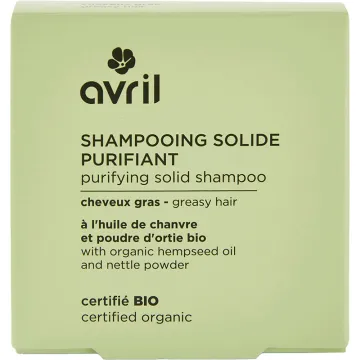
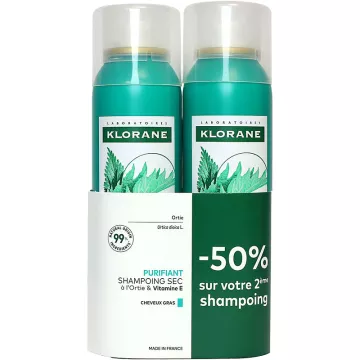
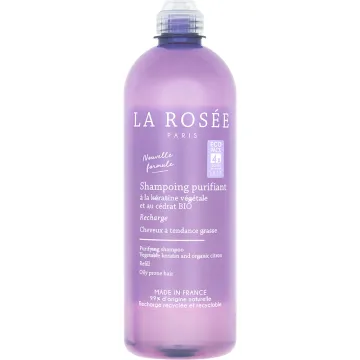
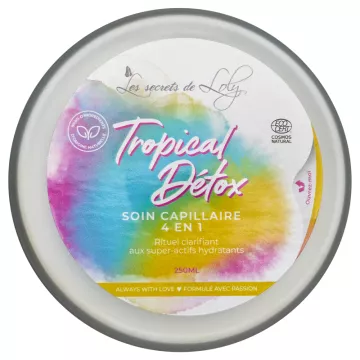
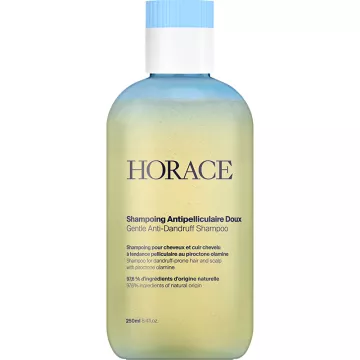
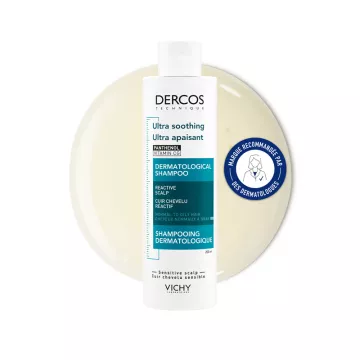
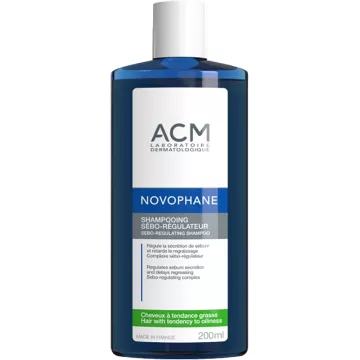
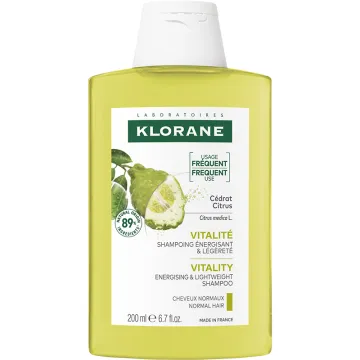
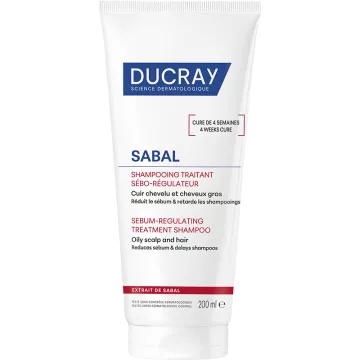
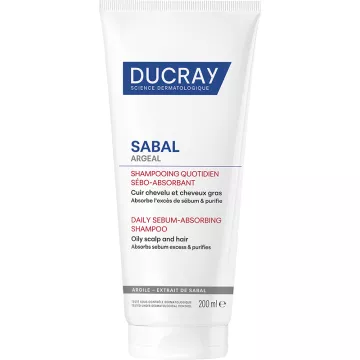
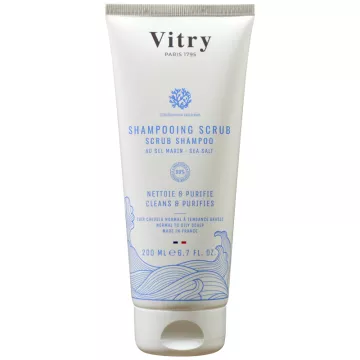
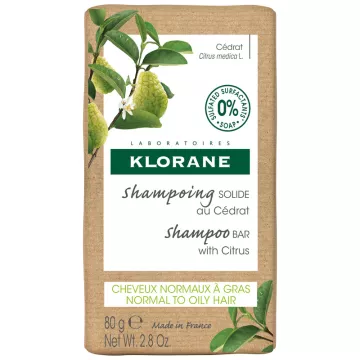
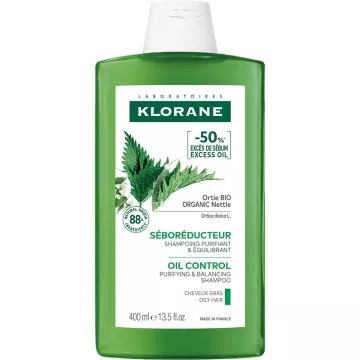
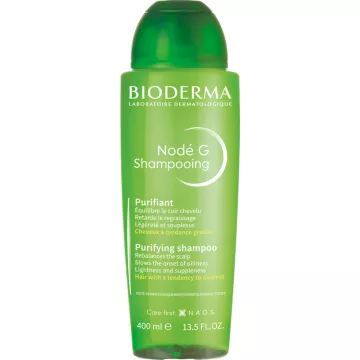
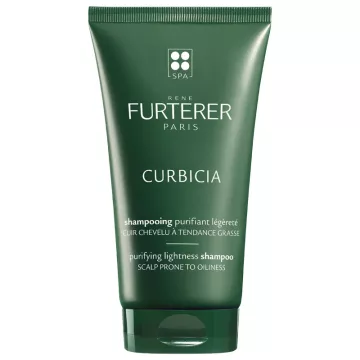
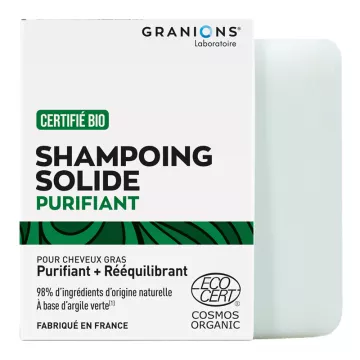
Choose products carefully to avoid making the problem worse. Recommended products include:
Can you prevent an oily scalp?
Although a genetic predisposition cannot be changed, adopting healthy habits can significantly reduce the severity of an oily scalp:
How can you identify a shampoo suitable for an oily scalp?
When choosing a shampoo for an oily scalp, look for formulas that contain sebum-regulating agents such as zinc sulfate, activated charcoal, or salicylic acid. These ingredients help deeply cleanse, remove excess sebum, and purify the pores of the scalp. It’s also advisable to check that the product is free of silicones and heavy oils, which could exacerbate sebum production.
What role does diet play in managing an oily scalp?
Diet plays a crucial role in managing an oily scalp. Foods rich in omega-3 fatty acids, such as fatty fish and nuts, can help regulate sebum production. It is recommended to avoid excessive consumption of fried foods, alcohol, and sugary foods, as they can stimulate the sebaceous glands and increase sebum production.
Are natural remedies effective for treating an oily scalp?
Certain natural remedies can be beneficial for treating an oily scalp. For example, using diluted apple cider vinegar as a rinse can help balance the scalp’s pH and reduce sebum production. Similarly, applying green clay as a hair mask absorbs excess sebum and deeply cleanses the scalp. However, it’s important to use these remedies in moderation to avoid drying out the scalp.
Are there specific styling techniques for oily hair?
For people with an oily scalp, it’s recommended to use styling techniques that minimize contact between the hair and the scalp to reduce the spread of sebum along the hair shafts. Hairstyles such as loose buns or braids may be preferable. Avoid excessive brushing, as this can further stimulate the sebaceous glands.
How do seasonal changes affect an oily scalp?
Seasonal changes can influence the condition of an oily scalp. For example, during the summer or in humid climates, sweat and humidity can make the scalp feel oilier. In winter, frequently wearing hats and being in heated environments can also stimulate sebum production. It’s essential to adjust your hair care routine according to the seasons to maintain your scalp’s balance.