What are the common causes of neck pain?
Neck pain (cervicalgia) is one of the most common musculoskeletal conditions. Several factors contribute to its onset: muscle tension resulting from prolonged poor posture (such as when using a computer screen, smartphone, or while driving), physical overexertion, chronic stress (which perpetuates muscle spasms), cervical osteoarthritis that develops with age, and the aftereffects of repetitive microtrauma or a previous neck injury. A sedentary lifestyle and a lack of regular physical activity are recognized as aggravating factors. Muscle tension is by far the most common cause in the general population.
How can you prevent neck pain?
Prevention relies on a few simple daily habits:
- Maintain a neutral posture, especially when sitting (relaxed shoulders, eyes level with the screen, back supported).
- Use ergonomic furniture: an adjustable chair, a screen at the correct height, and a stand for your smartphone or tablet.
- Take regular breaks (3 to 5 minutes every hour) to stretch your neck, shoulders, and upper back.
- Engage in regular physical activity that works the entire body.
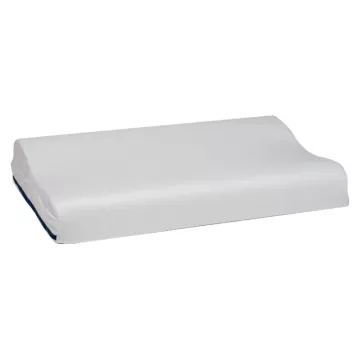
- Ensure good sleep quality (appropriate pillow, comfortable sleeping position).
- Manage stress, which contributes to muscle tension.
What exercises are recommended to strengthen the neck?
Gentle exercises can strengthen the neck muscles and maintain mobility, provided they are performed without acute pain:
- Slow head rotations, within a comfortable range of motion, without straining.
- Side bends (ear toward the shoulder), keeping the opposite shoulder stable.
- Self-stretching: stretch the top of your head toward the ceiling.
- Gentle isometric strengthening (pressing the palm against the forehead, temple, or back of the neck with light resistance and holding the position).
- Holistic practices such as yoga, Pilates, or the Mézières method, under the guidance of a trained professional.
If pain persists, consulting a physical therapist can help adapt the exercise routine and identify aggravating factors. Soreness following a return to physical activity is normal but should subside within a few days.
When should you see a doctor for neck pain?
A medical consultation is necessary in the following situations:
- Intense pain that does not subside within a few days despite rest and simple measures.
- Pain following an injury (fall, blow, car accident, sports-related injury).
- Severe and unusual associated headaches.
- Muscle weakness, tingling, or numbness in an arm or hand.
- Visual disturbances, dizziness, or related balance problems.
- Fever, unexplained weight loss, marked neck stiffness (may indicate serious conditions; meningitis must be ruled out).
- Specific medical history: osteoporosis, known cancer, immunosuppression, or use of anticoagulants.
In the event of sudden, severe headaches, weakness on one side of the body, speech difficulties, or altered consciousness, call 15 or 112 immediately: this may be a life-threatening emergency.
What treatment options are available for neck pain?
Treatment depends on the cause and severity. As a first-line approach, non-pharmacological methods are preferred (relative rest, ice or heat, gentle exercises). Regarding medication:
- Paracetamol at the appropriate dose is the first-line analgesic for short-term self-medication, provided the recommended doses are followed (liver toxicity can occur at doses exceeding those recommended by the ANSM).
- NSAIDs (ibuprofen, topical ketoprofen) are available with a pharmacist’s advice and should be used for short periods (generally 3 to 5 days); they should be avoided in cases of gastrointestinal, renal, or cardiovascular conditions, or during pregnancy, according to recommendations.
- Management of muscle tension may include physical therapy sessions, which are recommended for comprehensive work on mobility, strengthening, and postural education.
- Acupuncture is a complementary approach that can be discussed with your primary care physician.
- Chiropractic care is used by some people, but high-velocity cervical manipulations carry a rare but documented risk of vertebral arterial dissection. Any cervical manipulation must be performed by a licensed professional, following a thorough evaluation, with informed consent regarding the risk-benefit balance.
- Injections or surgery are considered only in specific cases, after conservative treatments have failed and imaging studies have been performed.
What ergonomic measures can help prevent neck pain?
Ergonomics plays a key role in prevention, especially for office workers:
- Screen at eye level, about an arm’s length from the eyes.
- Adjustable chair with lumbar support; feet flat on the floor or on a footrest.
- Forearms parallel to the floor, wrists not bent while typing.
- Prioritize using the keyboard and mouse rather than prolonged use of a smartphone held low.
- Vary your posture throughout the day (adjustable sit-stand desk, micro-breaks).
- For sleep, use a pillow suited to your body type that keeps your neck aligned, and a high-quality mattress.
How does stress affect neck pain?
Chronic stress causes muscle tension in the upper trapezius, posterior cervical muscles, and the levator scapulae. This prolonged tension can cause pain, tension headaches, and impaired cervical mobility. Proven approaches can help relieve this tension:
- Mindful breathing techniques, cardiac coherence.
- Mindfulnessmeditation, sophrology, and yoga.
- Regular, moderate-intensity physical activity.
- Psychological counseling in cases of significant or prolonged stress.
What are the benefits of massage for neck pain?
Massages, performed by a physical therapist or a trained practitioner, can help relieve neck pain by promoting a sensation of warmth and relaxation, releasing tense muscles, and improving mobility. Precautions: Avoid high-velocity cervical manipulations that are not medically supervised (risk of arterial dissection); inform the practitioner of any anticoagulant therapy or known cervical condition; do not perform deep tissue massage in the presence of an acute, undiagnosed injury.
Heat or Cold to Relieve Neck Pain?
Thermotherapy (local heat or cold) is a simple, inexpensive, and well-tolerated complementary treatment:
- Heat: a lukewarm hot water bottle, a heating pad, or a directed hot shower. Helps relax tight muscles. Useful for chronic tension-related pain.
- Cold: an ice pack wrapped in a cloth, cold gel. Helps soothe acute pain and local inflammation. Useful in the first 48 hours following an acute injury.
Precautions: Never apply heat or cold directly to the skin (risk of burns or frostbite); limit each application to 15 to 20 minutes; space applications several times a day. Avoid applying heat to an area that has recently been injured, is swollen, or is inflamed.
What role does nutrition play in neck health?
A balanced diet supports musculoskeletal health in the broadest sense:
- Adequate protein intake to maintain muscle mass.
- Calcium and vitamin D for bone health (the HAS provides recommended intakes based on age).
- Omega-3 fatty acids (fatty fish, nuts, canola oil, flaxseeds), which have generally beneficial effects on systemic inflammation.
- Antioxidants provided by fruits, vegetables, and nuts.
- Regular hydration (1.5 to 2 liters of water per day according to general recommendations, to be adjusted as needed).
- Limit aggravating factors: smoking, excessive alcohol consumption, and being overweight (which alters the mechanical stress on the spine).
In cases of chronic neck pain associated with other symptoms (persistent fatigue, weight loss, digestive problems), a comprehensive medical evaluation can help identify any potential systemic causes.