Sustainable weight loss is based on a simple but demanding equation: a moderate calorie deficit, a healthy diet, and regular physical activity. A weekly weight loss of 0.5 to 1 kg is considered healthy by the HAS; beyond that, the risk of muscle loss and the rebound effect increases. Very restrictive diets accelerate weight loss initially but cause a metabolic slowdown that undermines results as soon as you resume a normal diet. A structured, gradual, and supervised weight-loss program provides a more physiologically sound framework for establishing lasting changes.
Diet is the primary factor. Certain foods facilitate weight management by combining low calorie density, high satiety, and a rich supply of micronutrients:
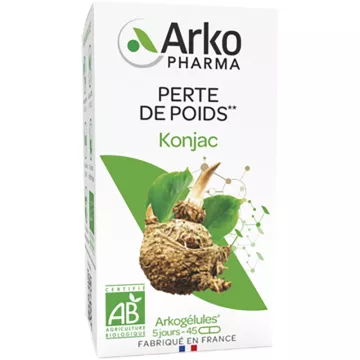
Natural, fiber-rich appetite suppressants —glucomannan, psyllium, guar gum—can complement your diet by prolonging feelings of fullness between meals.
Protein is the most valuable macronutrient during weight loss: it promotes satiety, preserves lean body mass, and has a high thermic effect (the body expends more energy to digest it). Carbohydrates should be chosen carefully, prioritizing complex sources with a low glycemic index, which helps stabilize blood sugar levels and limit fat storage. Unsaturated fats (olive oil, fatty fish, nuts and seeds) contribute to satiety and are essential for hormonal regulation. A well-designed weight-loss diet does not eliminate any of these food groups but adjusts their proportions.
Drinking 1.5 to 2 liters of water per day supports metabolism, optimizes kidney function, and reduces false feelings of hunger caused by dehydration. At the same time, the health of the gut microbiome is increasingly critical to weight management: an imbalanced gut microbiome disrupts nutrient absorption, exacerbates inflammation, and impairs the regulation of satiety. Prioritizing fermented foods and prebiotic fibers while limiting ultra-processed foods helps maintain a gut ecosystem conducive to weight loss.
Physical exercise creates the necessary calorie deficit but is not enough on its own: without dietary adjustments, results remain limited. Combining cardio and strength training remains the most effective approach—since muscle is a metabolically active tissue that increases resting energy expenditure. Sleep plays a crucial hormonal role: a lack of rest raises ghrelin (the hunger hormone) and lowers leptin (the satiety hormone). Finally, cortisol secreted during chronic stress promotes the storage of visceral abdominal fat—a particularly harmful metabolic target. Relaxation techniques, physical activity, and healthy sleep habits work together to address these three factors.
Green tea is the best-documented plant-based compound in the context of weight management. Its catechins, combined with the caffeine it contains, exert a modest thermogenic effect—stimulating energy expenditure and fatty acid oxidation. Several meta-analyses (Cochrane, 2012; Jurgens et al.) confirm a statistically significant, albeit moderate, effect on reducing BMI. It fits perfectly into a comprehensive strategy that includes a balanced diet and physical activity, though it should not be presented as a standalone solution.