Dental plaque is a soft, sticky film that naturally forms on the surface of the teeth and gums. It can usually be removed through careful brushing and regular flossing.
Dental tartar, on the other hand, is mineralized plaque that has hardened and become firmly attached. It cannot be effectively removed at home and requires professional scaling. Understanding this difference helps you better prevent oral health problems and maintain healthy gums.
To learn more, see our feature on dental tartar.
The first signs of tartar buildup include a rough sensation when touching your teeth with your tongue, a yellowish or brownish discoloration of the teeth, and sometimes a visible buildup near the gum line.
Gums that bleed when brushing, persistent bad breath, or gum inflammation can also signal the presence of mineralized deposits that require appropriate treatment.
Tartar does not directly alter tooth alignment. However, when it contributes to the development of gum disease, it can weaken the tissues that support the teeth.
In the long term, certain periodontal conditions can lead to tooth mobility and gradually alter the position of the teeth.
Check out our tips on periodontitis and its effects on oral health.
Scaling must be performed by a dentist or dental hygienist. No home remedy can safely and completely remove tartar that has already formed.
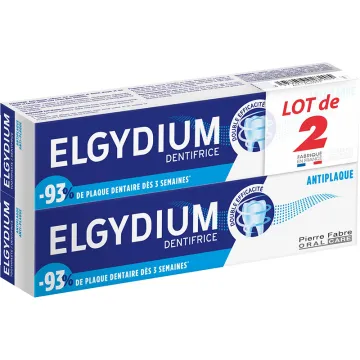
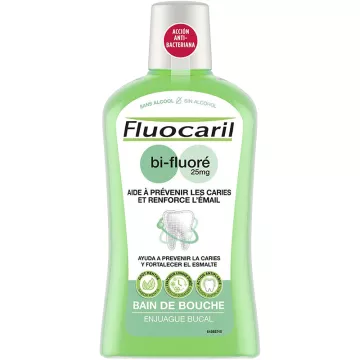
However, certain preventive measures can help limit its buildup: brushing after meals, daily flossing, using fluoride toothpaste, and using an appropriate mouthwash.
You can supplement your routine with a mouthwash that supports daily oral hygiene.
Oral health is closely linked to overall health. Chronic gum inflammation associated with the buildup of plaque and tartar is the subject of extensive research regarding its impact on the body.
Good oral hygiene and regular dental checkups help prevent gum disease and maintain overall health.
Dental calculus, or tartar, results from the gradual mineralization of dental plaque. This process can occur within a few days when bacterial deposits are not properly removed.
Once formed, tartar adheres firmly to the teeth and creates a surface conducive to the accumulation of new bacteria, thereby increasing the risk of gum disease.
The presence of dental tartar promotes the accumulation of bacterial plaque and increases the risk of gingivitis, periodontitis, and bad breath.
These deposits can also affect the appearance of your smile by causing visible tooth discoloration and persistent inflammation of the gum tissue.
To better understand the symptoms and solutions, visit our page dedicated to gingivitis.
Preventing tartar buildup relies on rigorous oral hygiene. It is recommended to brush your teeth at least twice a day with fluoride toothpaste and to clean between your teeth daily.
Regular dental checkups also help detect tartar buildup early and allow for professional scaling when necessary.
Check out all ouroral hygiene tips to keep your teeth and gums healthy for the long term.
Effective tooth brushing should last at least two minutes and cover all tooth surfaces. Gentle circular motions are generally recommended to remove plaque without irritating the gums.
Using the right toothbrush and cleaning between your teeth can significantly improve the removal of the deposits that cause tartar buildup.
The dentist performs the professional cleanings necessary to remove tartar located above and below the gumline. This procedure helps prevent periodontal disease and maintain oral health.
During appointments, the dentist can also assess the condition of your gums, offer personalized advice, and recommend the most appropriate care for your specific situation.
To provide long-term protection for your gum tissue, check out our selection of products designed to protect your gums.