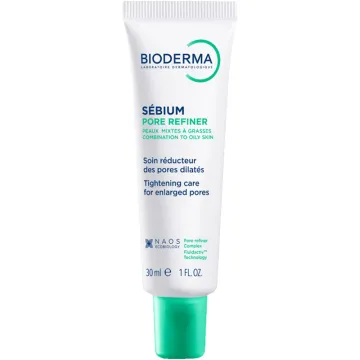
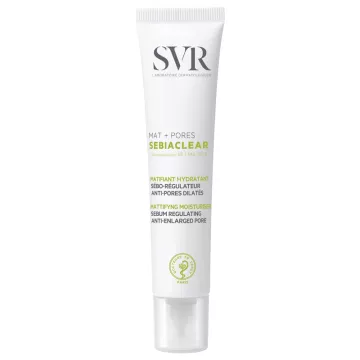
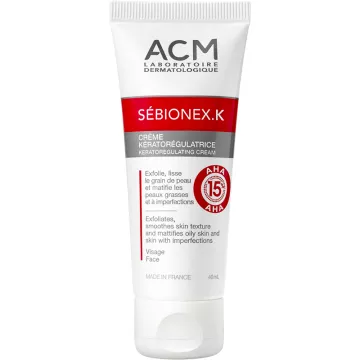
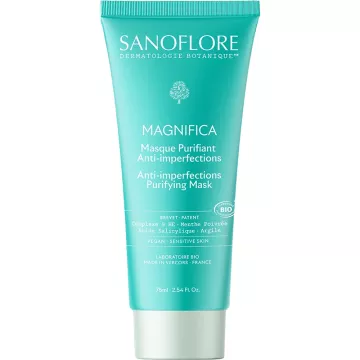
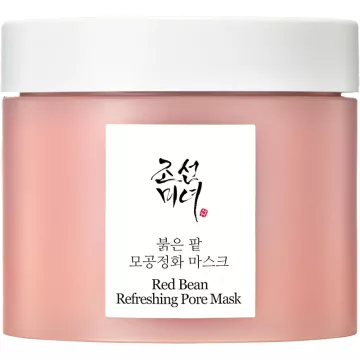
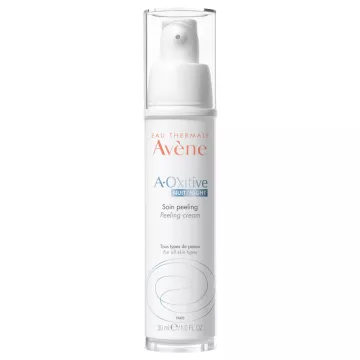
What is uneven skin texture?
Uneven skin texture refers to skin with an uneven surface. This can include issues such as enlarged pores, small bumps, acne scars, or a rough texture. This condition can result from various factors, including hormonal changes, the environment, genetics, and more.
What are the main causes of uneven skin texture?
The causes of uneven skin texture can vary but often include:
How can you treat uneven skin texture?
Can you prevent uneven skin texture from developing?
Prevention is possible by adopting a proper skincare regimen that includes the elements mentioned above. In addition, it’s recommended to adopt a healthy lifestyle, including a balanced diet rich in antioxidants and adequate hydration, while limiting sun exposure and stress.
What foods should I prioritize to improve my skin texture?
A diet rich in antioxidants, vitamins, and minerals is essential for maintaining healthy skin. Focus on fresh fruits and vegetables, nuts, seeds, and fish rich in omega-3s. These foods help fight inflammation and promote cell regeneration, contributing to smoother, more even-textured skin.
How many times a week should I exfoliate my skin to improve its texture?
Exfoliation is crucial, but the frequency should be tailored to your skin type. For most skin types, once or twice a week is sufficient. Exfoliating too often can irritate the skin and worsen texture issues. Always use gentle products suited to your skin type.
Are there specific vitamins that help refine skin texture?
Yes, certain vitamins play a key role in improving skin texture. Vitamin A (retinol) is well-known for its ability to renew skin cells, while vitamin C helps repair sun damage and even out skin tone. Vitamin E is also important for its antioxidant protection and moisturizing properties.
What role does hydration play in improving skin texture?
Hydration is essential for maintaining the skin’s elasticity and softness. Well-hydrated skin is less likely to have uneven texture. It’s important to drink enough water and use moisturizing products that contain ingredients likehyaluronic acid or glycerin to attract and retain moisture in the skin.
When should you see a dermatologist for uneven skin texture?
It is advisable to see a dermatologist if at-home skincare methods do not improve the appearance of your skin or if your skin texture causes you discomfort or self-consciousness. A dermatologist can offer more advanced treatments such as chemical peels, microdermabrasion, or laser therapies, which may be more effective for more severe cases.