In Dr. Edward Bach’s therapeutic tradition,inspiration refers not to creativity but to an inner stateof openness, awareness, and connection to the present moment that allows a person to receive ideas, momentum, and clarity. This state is hindered by certain emotional patterns that Bach identified: primarily excessive daydreaming and a lack of connection to reality—states for which meditation and certain Bach Flower Remedies provide natural support for emotional balance.
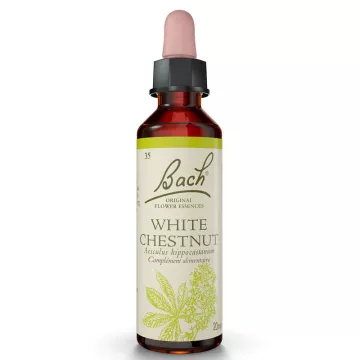
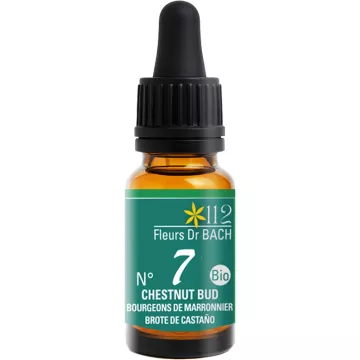
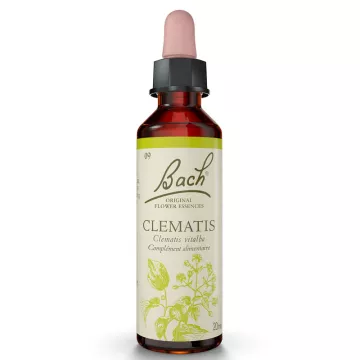
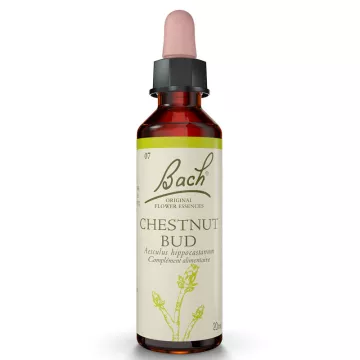
Bach Flower Remedies are floral essences prepared by sun-infusing or boiling the flowers in spring water, then preserved in brandy. Their properties are considered vibrational rather than biochemical—they do not interact with medications and can be used by adults, children, and pregnant women. Three flowers are particularly associated with states that hinder inspiration and grounded creativity: Clematis, Horse Chestnut Bud, and Indian Chestnut.
Each Bach flower corresponds to a specific emotional state that can block or impair the ability to be fully present and inspired:
Bach Flower Remedies are taken orally—4 drops directly under the tongue, 4 times a day, preferably between meals. They can be diluted in a glass of water to sip throughout the day. The 10 mL (Inébios) and 20 mL (Bach Original) bottles provide enough for a 3- to 4-week course of treatment, the recommended duration to observe an effect on emotional states. The choice of flower should correspond to your current emotional state—it is possible to combine up to 7 different flowers in a single personalized blend.
To enhance the effect of Bach Flower Remedies on mental clarity and inner openness, certain complementary practices are recommended: deep relaxation, cardiac coherence, and meditation foster the state of receptivity necessary for inspiration. Magnesium (bisglycinate—300 mg/day) helps reduce mental stress that clutters the mind and blocks creativity. Rhodiola (an adaptogen) helps restore the cognitive energy and motivation needed to turn ideas into concrete actions. These Bach Flowers are not medications—they are not a substitute for medical or psychological care in cases of persistent emotional distress.