What is genital herpes, and how common is it?
Genital herpes is a chronic sexually transmitted infection (STI) caused by the herpes simplex virus type 2 (HSV-2) in 80% of cases and by HSV-1 in 20% of cases (orogenital transmission). It is characterized by painful blister-like lesions in the genital, anal, or buttock areas, occurring in outbreaks against a background of permanent viral latency. Management should be handled by a doctor or sexual health professional. For a general overview of herpes (HSV-1, HSV-2, antiviral treatments), visit our herpes page. Explore our herpes and cold sore treatment options and our homeopathic herpes product lines.
- Prevalence and epidemiology: 500 million people infected with HSV-2 worldwide (WHO) — 11% of the French adult population is HSV-2-positive — 67% for HSV-1 — 80% of infected individuals are unaware of their status (predominantly asymptomatic carriers) — the most common STI in developed countries
- Symptoms of primary infection: appear 2–14 days after exposure — often more severe than recurrences — fever + general malaise + painful inguinal lymphadenopathy — multiple, very painful genital vesicles followed by ulcers — burning sensation during urination — spontaneous resolution within 2–4 weeks — sometimes asymptomatic or mildly symptomatic (the majority of cases)
- Recurrences: preceded by prodromal symptoms (burning, tingling, itching) 12–48 hours before the outbreak — lesions are fewer and less painful than during primary infection — duration 3–10 days — frequency varies widely: 0 to 12 times per year depending on immunity, stress, and viral type (HSV-2 recurs more often than genital HSV-1)
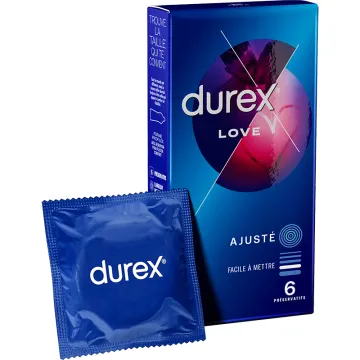
- Asymptomatic viral shedding: the virus is shed intermittently without any visible clinical signs — accounts for 70–80% of transmissions — condoms do not always cover all areas of viral shedding → provide only incomplete protection
- Warning signs requiring urgent medical attention: severe primary infection with urinary retention (hospitalization may be necessary)—in pregnant women unaware of their status in the third trimester—in newborns (blisters + fever → pediatric emergency room)
Diagnosis, screening, and evaluation for couples
- Diagnostic tests: PCR on a lesion specimen (gold standard, sensitivity > 95%, available on an emergency basis) — viral culture (less sensitive than PCR) — serology (type-specific anti-HSV-1 and anti-HSV-2 IgG): useful for determining status outside of active outbreaks — available at local laboratories — covered by insurance for certain indications (pregnancy, couple screening)
- Benefits of serological screening for couples: if one partner is HSV-2 seropositive — knowing the other partner’s status allows for an assessment of the actual risk of transmission — if both are already seropositive for the same type → no risk of cross-primary infection — allows for tailored preventive measures and discussion of suppressive therapy
- Recommended screening: as part of any STI screening — in pregnant women if risk factors are present — before changing contraceptive practices — no routine screening of the asymptomatic general population (HAS recommendations)
- Differential diagnosis: primary syphilis ulcer (painless, with well-defined edges)—chancroid (Haemophilus ducreyi)—sacral shingles—genital aphthae (Behçet’s disease) — candidal balanitis — any atypical genital ulceration → medical consultation with specimen collection
- Reporting: Genital herpes is not a reportable disease in France — but it is recommended to inform recent sexual partners in the event of a confirmed diagnosis (concept of partner notification)
Medical treatment and management of recurrences
- Curative treatment for primary infection: valacyclovir 1 g twice daily for 10 days—or acyclovir 200 mg five times daily for 10 days—start treatment as soon as clinical suspicion arises without waiting for laboratory results—reduces duration, severity, and contagiousness—prescription required
- Curative treatment for recurrences: valaciclovir 500 mg twice daily for 3–5 days — or valaciclovir 2 g twice daily for 1 day (short regimen) — start as soon as prodromal symptoms appear for maximum effectiveness — it is advisable to have a prescription on hand to avoid delaying treatment
- Long-term suppressive therapy: valaciclovir 500 mg/day continuously — indications: > 6 recurrences per year — significant psychosocial impact — HIV-negative partner (reduces transmission by 50%) — pregnant women with recurrences — reduces recurrences by 70–80% — to be reevaluated after 12 months
- Management of trigger factors: stress → cardiac coherence + magnesium + stress management — fatigue → 7–9 hours of sleep per night — immunosuppression → immune support (vitamin D3 + zinc) — L-lysine 500–1,000 mg/day for prevention (competitively inhibits arginine, which is necessary for HSV replication) — reduce intake of arginine-rich foods (chocolate, nuts, peanuts) during flare-ups
- Local care during flare-ups: gentle cleansing with lukewarm water and mild soap twice a day — thorough drying — loose-fitting cotton clothing — avoid irritating topical antiseptics — oral pain relievers for severe pain (acetaminophen) — lukewarm sitz baths if there is burning during urination
Pregnancy, emotional well-being, and psychosocial impact
- Genital herpes and pregnancy: main risk = primary infection in the third trimester (neonatal transmission 30–50% if lesions are active at delivery) — recurrences pose a much lower risk (< 1–3%) — all pregnant women should disclose their herpes status to their obstetrician — valacyclovir 500 mg/day starting at 36 weeks’ gestation if there is a history of recurrent genital herpes (prevention of outbreaks at term) — cesarean section should be considered if there is late primary infection or active lesions at term
- Neonatal herpes: life-threatening emergency — transmission during passage through the birth canal — manifestations: skin vesicles + ocular involvement + neonatal encephalitis — emergency IV acyclovir treatment in the pediatric emergency department
- Psychological impact: receiving the diagnosis → emotional shock, shame, guilt, anxiety about transmission to a partner — reminder: extremely common disease (11% HSV-2), chronic but manageable — open communication with the partner is recommended — support groups: Herpèsjection (herpesjection.fr) — psychological support if quality of life is affected (MonPsy — partial reimbursement)
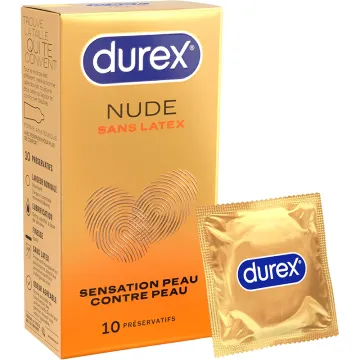
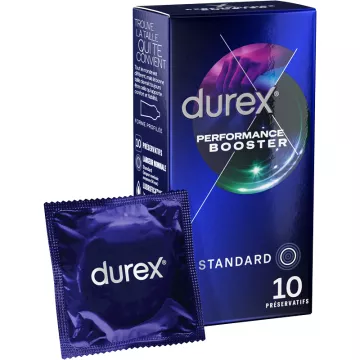
- Sexual activity with genital herpes: condoms recommended (reduces the risk by 50% but does not eliminate it) — sexual abstinence during outbreaks and for 48 hours after lesions have completely healed — suppressive therapy for serodiscordant couples wishing to reduce transmission — communication and transparency with your partner — an intimate life can be fully satisfying with proper management
- Resources in France: sexual health clinics (CDAG, CPEF, STI centers, dermatology) — free and anonymous testing at CEGIDD (STI centers) — Herpèsjection: herpesjection.fr — SOS Herpès — Santé Sexuelle France — primary care physician for treatment and follow-up — visit our page immune defenses for natural support