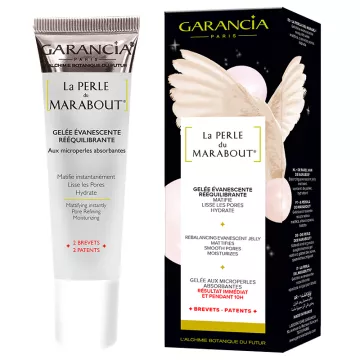
Normal to combination skin is characterized by the coexistence of normal areas and oilier areas on the face. The T-zone (forehead, nose, and chin) generally produces more sebum, while the cheeks and the rest of the face remain normal or slightly dry. This duality calls for a customized skincare routine: maintaining hydration in the areas with less sebum while regulating the oily areas.
Perform a simple test to confirm your skin type. Wash your face with a gentle cleanser, then wait an hour without applying any skincare products. If the T-zone becomes slightly shiny while the cheeks remain comfortable and non-oily, your skin most likely falls into the normal to combination category.
Adopt a balanced routine centered around four complementary steps:
Opt for formulas enriched with antioxidants (vitamin C, vitamin E), moisturizing agents such as glycerin andhyaluronic acid, and sebum-regulating ingredients like salicylic acid. This combination of active ingredients maintains the skin’s balance while addressing the specific needs of each area of the face.
A balanced diet rich in fruits, vegetables, lean proteins, and essential fatty acids (omega-3, omega-6) supports long-term skin health. Drink enough water and avoid sudden temperature changes: this helps the skin stay stable and better maintain its hydrolipid balance.
Targeted masks are perfect for addressing the contrasting needs of combination skin. Apply a hydrating mask to dry cheeks and a purifying mask to the T-zone—this is the “multi-masking” technique. Clay and charcoal effectively absorb excess sebum, while aloe vera and cucumber provide freshness and hydration to drier areas.
Adapt your routine to the changing seasons. In the summer, opt for lightweight textures and mattifying products on the T-zone, which is prone to shine. In winter, increase your use of moisturizers and protective balms on the cheeks and eye area, which are more exposed to the harsh effects of the cold.
A common mistake is applying products that are too harsh to the T-zone: this disrupts the skin’s natural moisture balance and can actually trigger excess sebum production as a rebound effect. Another pitfall: neglecting to moisturize the drier cheeks by using the same product all over the face. The key is to tailor each product to the specific needs of each area to maintain the skin’s balance.
Choose a non-comedogenic foundation with a light, fluid texture. Mattifying formulas or those designed for combination skin effectively control shine in the T-zone while providing even coverage without emphasizing dry areas. Oil-free or water-based products are particularly well-suited for this skin type.
Yes, certain plant-based oils offer real benefits for combination skin, provided you choose non-comedogenic formulas. Jojoba oil, which is very similar to human sebum, regulates sebum production; argan oil, rich in antioxidants, nourishes without feeling heavy. Apply them sparingly, only to areas that need extra moisture.
Salon treatments provide an effective complement to your daily routine. Professional skin cleansings, gentle exfoliations, and LED light therapy sessions deeply cleanse, reduce the appearance of pores, and regulate sebum production, all while preserving moisture in the most delicate areas.
Chronic stress increases sebum production in the T-zone while dehydrating the cheeks: a dual imbalance that exacerbates the characteristics of combination skin. Practice relaxation techniques regularly (yoga, meditation, physical activity) and incorporate soothing and balancing skincare into your routine to mitigate skin flare-ups associated with periods of anxiety.