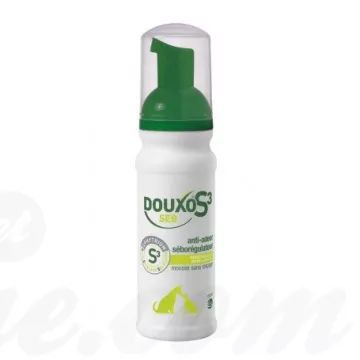
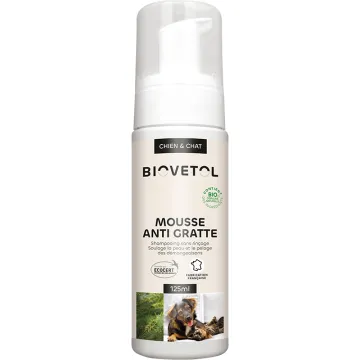
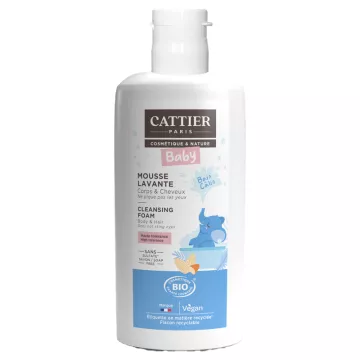
What is a cosmetic foam, and what products are available in this format?
In cosmetics, a foam texture refers to an airy formulation in which air is trapped by surfactants or a pressurized container system. This lightness provides a unique application experience—volume without heaviness, glide without greasiness—which explains its popularity in cleansers, skincare products, and shaving products.
- Facial cleansing foam: the most common—deep cleansing without drying out the skin, suitable for normal to oily skin
- Body wash (or shower foam): a lightweight cleanser that rinses off easily and dries quickly—for normal skin types who prefer a light feel
- Shaving foam: forms a protective barrier between the blade and the skin, softens the hair—see our personal care products
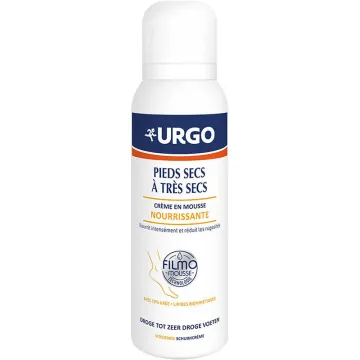
- Leave-on moisturizing foam: a lightweight formula for body or face care—a texture that “melts” upon application
- Hair Mousse: adds volume and definition to hair without silicones or residue—see our hair care line
Cleansing Foam vs. Foaming Gel: What Are the Real Differences?
Two formats that lather—but with very different formulations and sensory experiences.
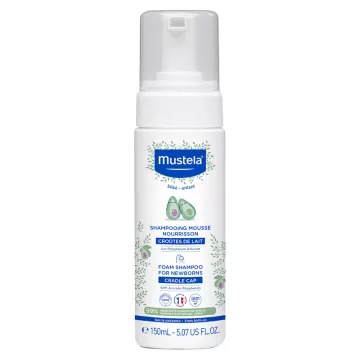
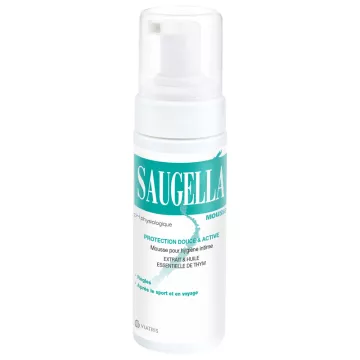
- Ready-to-use foam (pump or pressurized bottle): air already incorporated before application—ultra-light texture, very gentle on the skin—particularly suitable for sensitive and reactive skin that cannot tolerate friction
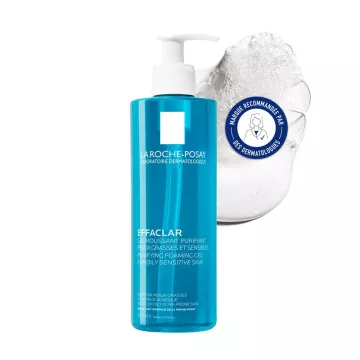
- Foaming gel: a gel that produces foam upon contact with water and hands—initially has a denser texture, often provides a more active cleanse—better for oily or combination skin with significant impurities
- Ready-to-use foam generally has a gentler cleansing power—this isn’t a drawback for sensitive skin, but it may not be suitable for skin that requires deeper cleansing
- Foam = less friction = less mechanical irritation—a clear benefit for reactive or rosacea-prone skin, or for gentle makeup removal
How do you choose a high-quality cleansing foam?
The foam texture says nothing about the quality of the formulation—it’s the ingredients that matter.
- Mild surfactants (coc-glucoside, lauryl glucoside, coconut betaine): signs of a gentle formula—look for them among the first ingredients listed in the INCI
- SLS/SLES-free: sulfates can be irritating, especially for sensitive skin
- With moisturizing active ingredients (glycerin, aloe vera, panthenol): these counteract the slight drying effect that is inevitable with any cleanser
- pH 5–5.5: essential for a facial cleansing foam, recommended for body foam
- Foam with a propellant (aerosol): check that the propellant is CFC-free—current formulas use compressed N₂ or CO₂, which are not harmful to the ozone layer
- For atopic and sensitive skin: also check that the product is free of MIT/CMIT (methylisothiazolinone) and parabens
How to use a cleansing foam for the body and face?
- Face: Pump 1–2 doses into the palm of your hand, apply to wet skin using very gentle massaging motions—the light texture reduces the need for friction—rinse with lukewarm water
- Body in the shower: Apply directly to wet skin, spread with your hands—rinse quickly—less contact time with water than a traditional cleansing gel
- Sensitive skin: Apply the cool body foam to your face after exercising—the trapped air provides an immediate cooling effect without irritation
- After use: Always apply a moisturizer—the foam cleanses effectively but does not replenish lost lipids