What is vellus hair, and what are its functions on human skin?
Vellus hair is a type of very fine, soft, almost transparent hair that covers nearly the entire surface of human skin. This type of hair serves several essential functions, including protection against minor abrasions and thermal insulation, which helps regulate body temperature. Vellus hair also plays a role in tactile sensitivity, allowing us to detect subtle changes in the environment through its connection to the skin’s sensory nerves.
What are the main differences between vellus hair and other types of body hair?
Unlike terminal hair—which is thicker and pigmented and typically found on the head, eyebrows, and genital areas—vellus hair is much finer and less pigmented. This distinction is particularly important for aestheticians and dermatologists when recommending treatments for different types of hair, as the techniques and products used can vary significantly.
How can you care for vellus hair to maintain healthy skin?
To maintain healthy skin while caring for your vellus hair, it’s advisable to adopt a gentle skincare routine. Use mild cleansers free of alcohol and irritants. Moisturizing is also crucial; choose lightweight moisturizers that won’t clog pores. Avoid harsh treatments, such as strong chemical peels, which could damage the fine hair and the skin’s outermost layer.
Are there specific methods for removing peach fuzz that are both effective and safe?
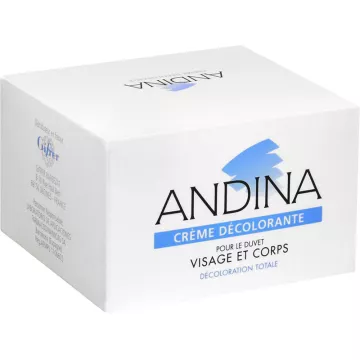
Peach fuzz removal should be done with caution. Gentle methods such as shaving or using depilatory creams specifically formulated for sensitive skin are recommended. For more long-lasting solutions, techniques such as intense pulsed light (IPL) or laser treatments can be considered, although they must be performed by professionals to avoid the risk of burns or hyperpigmentation.
What are the cosmetic implications of vellus hair for beauty care and makeup?
In the field of cosmetics, fine hair can play a crucial role in makeup application. Well-prepared skin, where the fine hair is properly managed, can improve the adherence and appearance of foundation or other complexion products. Some professionals even recommend gentle treatments to reduce the fine hair in order to achieve a smoother surface for flawless makeup application.
What factors can influence the density and visibility of fine hair on the skin?
The density and visibility of fine hair can vary depending on several factors, such as genetics, hormone levels, and age. For example, hormonal fluctuations—such as those experienced during puberty, pregnancy, or menopause—can increase the growth or pigmentation of fine facial hair. Similarly, certain medications, such as those used for hormone therapy, can also affect the appearance and density of fine facial hair.
Are there any health conditions that specifically affect vellus hair?
Certain health conditions can affect the growth or appearance of vellus hair. For example, hirsutism—a condition characterized by excessive hair growth in women in areas where terminal hair is normally predominant—can affect the density of vellus hair. Thyroid disorders can also influence the texture and distribution of vellus hair, making the skin either hairier or unusually smooth.
How do dermatologists treat issues related to vellus hair?
Dermatologists can offer various treatments to manage issues related to vellus hair, such as excessive growth or cosmetic concerns. Treatments may include medical hair removal methods, advice on appropriate skincare, or hormonal therapy if the excess vellus hair is related to a hormonal imbalance. Interventions must always be tailored to the patient’s specific needs and skin sensitivity.
What technological innovations are available for treating fine body hair?
In the fields of beauty and dermatology, technological innovations for treating vellus hair include advanced laser and intense pulsed light (IPL) devices specifically designed to target fine, less pigmented hair. These technologies enable safer and more effective treatments, minimizing the risk of skin damage while improving the effectiveness of hair removal. In addition, advances in the formulations of depilatory creams now allow for gentle hair removal without significant irritation.
How does vellus hair affect overall skin health?
Vellus hair plays a crucial role in protecting the skin from environmental factors and minor injuries. It helps maintain the skin’s hydration by trapping a layer of air that acts as a thermal insulator, which is particularly important in extreme weather conditions. Proper vellus hair management is essential not only for aesthetic reasons but also for maintaining the integrity of the skin barrier and overall skin health.