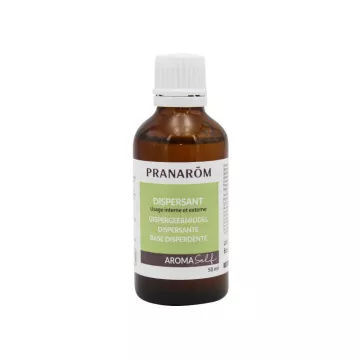
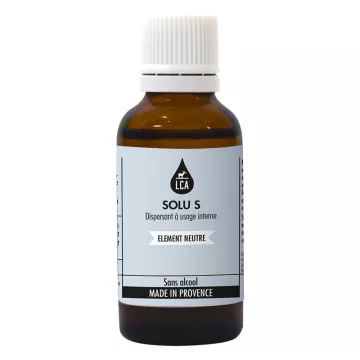
What is a dispersant for essential oils?
A dispersant is an agent that helps distribute essential oils in a medium where they do not naturally dissolve, such as water. Because essential oils are hydrophobic by nature, dispersants play a crucial role in facilitating uniform distribution without the use of alcohol or chemical solvents, which is particularly important in cosmetic, aromatherapy, and wellness applications.
Why use a dispersant with essential oils?
Using a dispersant is essential for effectively blending essential oils into water-based products such as body sprays, lotions, and creams. Without a dispersant, essential oils can separate and float to the surface, which can lead to uneven application and reduce the effectiveness of the final product.
How do I choose the right dispersant for my essential oils?
The choice of dispersant depends on several factors, including compatibility with the type of essential oil used, the desired final product, and safety and environmental standards. Polysorbate-based dispersants, often used for their effectiveness and safety, are commonly recommended. It is important to verify that the dispersant does not react with the oils or other components of the product.
What is the difference between a natural and a synthetic dispersant?
Natural dispersants, such as gum arabic or xanthan gum, are derived from plant sources and are often used for their biocompatibility and lower environmental impact. Synthetic dispersants, such as polysorbate, often offer better stability and more uniform dispersion under a variety of conditions. The choice between natural and synthetic will depend on the specific needs of the product and consumer preferences.
How do you use a dispersant with essential oils in a commercial product?
To incorporate a dispersant into a commercial product, it is crucial to determine the optimal ratio between the essential oil and the dispersant to ensure effective and stable dispersion. This generally requires laboratory testing to optimize formulations. Dispersants are added in small quantities, usually between 1% and 5% of the total volume, before being vigorously mixed with the essential oils.
What are the benefits of using a dispersant in personal care products?
The use of dispersants in personal care products helps to:
What tests are recommended to evaluate the effectiveness of a dispersant in essential oil formulations?
Recommended tests include:
What are the risks associated with using dispersants that are not suitable for essential oils?
The use of unsuitable dispersants can lead to several problems, such as the precipitation of essential oils, skin irritation due to poor dispersion, and the degradation of the oils’ therapeutic properties. It is therefore crucial to select dispersants that have been tested and approved for optimal compatibility with the essential oils used in your formulations.
Can a single dispersant be used for all essential oils?
Although many dispersants are versatile, some are more effective with certain categories of essential oils. For example, more viscous or resinous oils may require a more potent dispersant or a larger quantity of it. It is recommended to conduct preliminary tests to determine the effectiveness of a specific dispersant with a given oil.
How do you properly dose a dispersant in a formulation containing essential oils?
The proper dosage of a dispersant depends on the concentration and type of essential oil used, as well as the medium in which it is dispersed. Generally, the dispersant-to-essential oil ratio ranges from 1:1 to 1:4. However, it is essential to follow the manufacturer’s recommendations and adjust the proportions based on the results of stability and efficacy tests.
What are the natural alternatives to synthetic dispersants for essential oils?
Among natural alternatives, lecithins and hydrolyzed wheat proteins are valued for their ability to disperse essential oils in aqueous formulations. These options are not only effective but are also more favorably perceived by consumers seeking “green” or organic products.
How important is certification for dispersants used in products containing essential oils?
Certification of dispersants ensures that they meet strict standards for quality and environmental safety. For products intended for sale in regulated markets or to consumers who are conscious of environmental and health issues, using certified dispersants can significantly increase the credibility and acceptability of the final product. Certifications such as ECOCERT or COSMOS can be particularly valuable in this context.