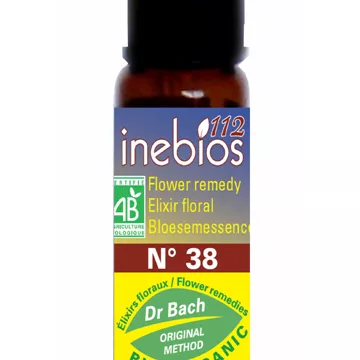
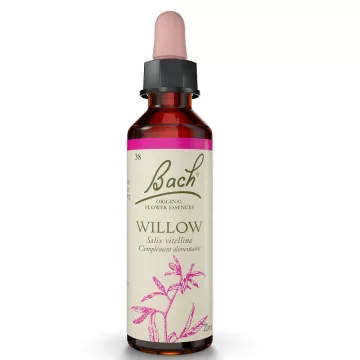
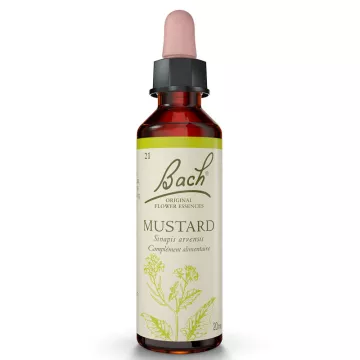
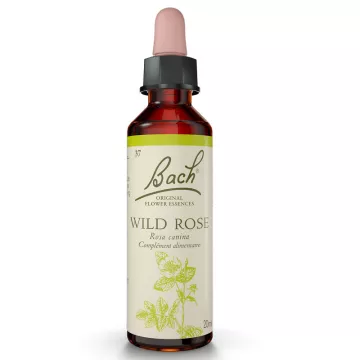
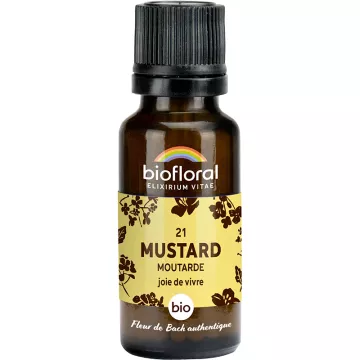
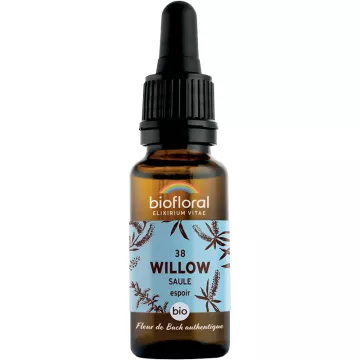
In Dr. Edward Bach’s therapeutic tradition, cheerfulness is not merely a fleeting mood but a natural state of being when emotional blockages are released. Bach identified several states that gradually erode cheerfulness: unexplained sadness that descends like a dark cloud, apathy and a total lack of enthusiasm, or even accumulated resentment that taints all joy with bitterness. The Bach Flower Remedies associated with cheerfulness specifically target these states—they do not artificially boost mood but help dissolve the emotional blockages that prevent natural joy from expressing itself. These flower essences, which contain no biochemical active ingredients, do not interact with medications and are suitable for all ages.
Three flowers are directly associated with restoring cheerfulness:
Bach Flower Remedies are taken by placing 4 drops under the tongue 4 times a day, between meals, as a 3- to 4-week course of treatment. They can be freely combined (up to 7 flowers) to create a personalized emotional profile. Several natural supplements also support the neurochemistry of cheerfulness. Griffonia (5-HTP—a serotonin precursor) is the best-documented natural active ingredient for supporting mood and reducing episodes of low spirits—absolute contraindication with SSRIs, SNRIs, tramadol, and St. John’s wort (risk of serotonin syndrome). Rhodiola (an adaptogen—containing rosavins and salidroside) restores motivation, reduces mental fatigue, and improves emotional resilience—to be taken in the morning; contraindicated in bipolar disorder. Magnesium bisglycinate (300 mg/day) corrects the deficiency often present during episodes of low mood related to chronic stress. Regular meditation and relaxation complement these approaches by grounding the mind in the present moment. In cases of persistent sadness or a full-blown depressive episode, consult a doctor—these approaches complement but do not replace medical or psychological care.