What is a plantar pad, and why is it important for foot health?
The plantar pad is a structure of fatty tissue located under the foot, more specifically under the metatarsal bones. This area plays a crucial role in absorbing shock and distributing pressure while walking, running, or performing any other movement. Its health is essential for preventing various foot conditions, particularly metatarsalgia, which causes intense pain in the soles of the feet.
How can you recognize the symptoms of a problem with the plantar pad?
The symptoms of a problem with the plantar pad can vary, but they generally include acute or persistent pain under the foot, a burning sensation, and difficulty walking or bearing weight on the forefoot. If these symptoms appear, it is advisable to consult a specialist for an accurate diagnosis and appropriate treatment.
What are the main causes of a weakened plantar pad?
There can be many causes of a weakened plantar pad. Natural aging, which leads to a decrease in fatty tissue, is a common cause. In addition, activities involving heavy loads or repetitive impacts on the feet—such as certain sports—can also contribute to the deterioration of this essential structure.
What treatments are available for plantar pad problems?
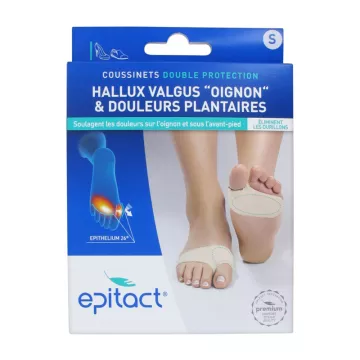
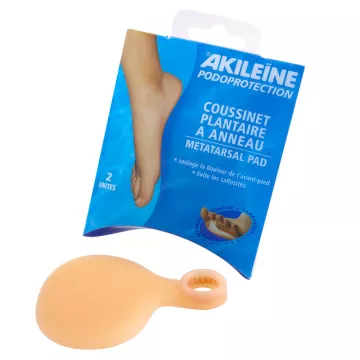
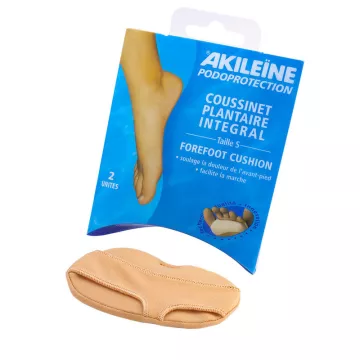
Treatment for plantar pad problems may vary depending on the severity of the condition. Options include the use of orthotic insoles designed to reduce pressure on the affected area, injections of collagen or other fillers to increase the volume of the pad, and, in some cases, surgery to reconstruct or reinforce the damaged tissue.
How can plantar pad problems be prevented?
To prevent plantar pad problems, it is essential to adopt good foot care practices. This includes wearing appropriate shoes that provide adequate support and effective shock absorption. Specific exercises, such as stretching and strengthening the muscles of the foot, can also help maintain the health of the plantar pad.
Is it possible to fully recover from a plantar pad problem?
With early diagnosis and appropriate treatment, it is possible to fully recover from a plantar pad problem. However, the key to success lies in prevention and proactive management of early symptoms to avoid long-term complications.
What exercises are recommended to strengthen the plantar pad?
To strengthen the plantar pad and improve foot function, it’s advisable to perform targeted exercises regularly. Among these, toe curls and toe spreads are particularly effective. These exercises help increase the flexibility and strength of the muscles around the plantar pad, thereby contributing to better weight distribution and reduced stress on this area.
Are there specific shoes recommended for people with plantar pad problems?
Choosing the right shoes is crucial for people with plantar pad issues. It is recommended to select shoes with good cushioning, specifically designed to provide adequate support for the forefoot. Specialized brands offer orthopedic models or athletic shoes that incorporate advanced technologies for better pressure distribution and reduced impact on the plantar pad.
How can diet affect the health of the plantar pad?
A balanced diet plays a significant role in foot health, including that of the plantar pad. Nutrients such as calcium, vitamin D, and magnesium are essential for maintaining bone health and the resilience of soft tissues. Incorporating foods rich in natural anti-inflammatory compounds, such as the omega-3s found in fatty fish, can also help reduce inflammation that may affect the plantar pad.
What are the risks of ignoring plantar pad problems?
Ignoring problems with the plantar pad can lead to serious complications, such as changes in posture and gait, which increase the risk of injuries to the knees, hips, and back. In addition, it can lead to chronic conditions such as bunions or hammertoes, which often require surgery to correct.
Is surgery a viable option for treating severe plantar fascia problems?
Surgery may be considered for severe cases of plantar pad degeneration where conservative treatments have failed. Surgical procedures may include reconstruction of the plantar pad or the insertion of implants to restore function and reduce pain. However, this option should be discussed in detail with a specialist, as it involves specific risks and requires a significant recovery period.