NOTICE
ANSM - Updated on: October 5, 2023
Drug Name
LEVOFREE 0.05%, eye drops, solution
Levocabastine
Box
Please read this package insert carefully before using this medication, as it contains important information for you.
You should always use this medication exactly as described in this leaflet or as instructed by your doctor or pharmacist.
· Keep this package insert. You may need to read it again.
· Ask your pharmacist for advice or information.
· If you experience any side effects, talk to your doctor or pharmacist. This also applies to any side effects not listed in this leaflet. See Section 4.
· You should contact your doctor if you do not feel any improvement or if you feel worse after 5 days.
What is in this package insert?
1. What is LEVOFREE 0.05% eye drops, solution, and what is it used for?
2. What should you know before using LEVOFREE 0.05% eye drops?
3. How should you use LEVOFREE 0.05% eye drops?
4. What are the possible side effects?
5. How should you store LEVOFREE 0.05% eye drops?
6. Package contents and other information.
1. WHAT IS LEVOFREE 0.05% eye drops, solution, AND WHAT IS IT USED FOR?
Pharmacotherapeutic class: Decongestant and antiallergic agent - ATC code: S01GX02
LEVOFREE 0.05% eye drops contain the active ingredient levocabastine. This substance belongs to a class of medications called antihistamines. These medications block the release of histamine in the body and thereby reduce allergic reactions (histamine plays an important role in allergies).
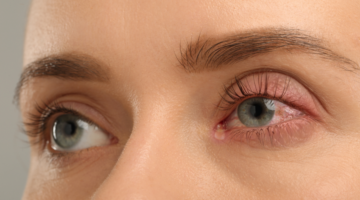
This medication is used to treat symptoms of an eye allergy (allergic conjunctivitis), which are characterized by swollen eyes and/or eyelids, red eyes, itching, or watery eyes.
These eye drops do not contain a preservative.
You should contact your doctor if you do not experience any improvement or if you feel worse after 5 days.
2. WHAT INFORMATION SHOULD YOU KNOW BEFORE USING LEVOFREE 0.05%, eye drops?
Never use LEVOFREE 0.05%, eye drops:
· if you are allergic to levocabastine or any of the other ingredients in this medication, listed in Section 6.
Warnings and Precautions
Consult your doctor or pharmacist before using LEVOFREE 0.05%, eye drops.
Children
The use of LEVOFREE 0.05%, eye drops, solution is not recommended in children under 6 years of age due to limited data.
Other Medications and LEVOFREE 0.05%, Eye Drops
Tell your doctor or pharmacist if you are using, have recently used, or might use any other medications.
LEVOFREE 0.05% eye drops with food, beverages, and alcohol
Not applicable.
Pregnancy, Breastfeeding, and Fertility
If you are pregnant or breastfeeding, if you think you might be pregnant, or if you are planning to become pregnant, ask your doctor or pharmacist for advice before taking this medication.
Pregnancy
This medication may be used with caution during pregnancy.
Breastfeeding
Due to a lack of data, the use of levocabastine is not recommended while breastfeeding.
Driving and Operating Machinery
Patients experiencing visual disturbances (mild irritation following instillation) should refrain from driving or operating machinery until these symptoms subside.
LEVOFREE 0.05%, eye drops, solution contains phosphates
This medication contains 39.65 mg of phosphates per 5 mL (see Section 4, “What are the possible side effects?”).
3. HOW TO USE LEVOFREE 0.05%, eye drops solution?
Always use this medication exactly as described in this leaflet or as directed by your doctor or pharmacist. Check with your doctor or pharmacist if you have any questions.
Dosage
The recommended dose is one drop in each eye, twice daily. This dose may be increased, if necessary, to one drop 3 to 4 times daily.
Use in children aged 6 years and older and adolescents: The recommended dose remains the same.
Use the eye drops at regular intervals.
Never exceed the recommended dose.
Method of Administration
This medication must be administered into the eye. Under no circumstances should it be injected.
When using these eye drops, you must wash your hands thoroughly before opening the bottle and follow these steps:
A. Before first use
|

|
1. Remove the safety cap.
|
|

|
2. Remove the protective cap.
|
|

|
3. Hold the bottle upside down.
Press the middle of the bottle firmly enough to dispense 1 to 2 drops.
|
|
|
B. To instill the eye drops into the eye
|
|

|
1. While looking up and pulling the lower eyelid down, position the bottle above the eye and gradually press the middle of the bottle until the drop is dispensed.
Avoid touching the eye or the eyelid with the tip of the bottle.
|
|
|
2. Blink once so that the eye drops spread over the entire surface of the eye.
With the eye closed, gently wipe away any excess.
|
|
|
3. To avoid systemic effects, it is recommended to apply pressure to the inner corner of the eye for 1 minute after each instillation while keeping the eye closed.
|
|
|
4. Replace the protective cap after use.
|
|
|
If the drop does not enter the eye, repeat steps A2 and A3.
|
If using another eye drop at the same time, space out the instillations by 15 minutes.
Duration of Treatment
Treatment should not be continued for more than 5 days without medical advice.
If you do not feel any improvement or if your symptoms persist, you should consult your doctor.
If you have used more LEVOFREE 0.05% eye drops than you should have:
In case of overdose, you may feel drowsy. Rinse thoroughly with saline solution. Then simply continue your treatment with the next instillation.
If you forget to use LEVOFREE 0.05% eye drops:
Do not take a double dose to make up for the dose you missed; simply continue your treatment as usual.
If you stop using LEVOFREE 0.05% eye drops:
Not applicable.
If you have any other questions about the use of this medication, ask your doctor or pharmacist for more information.
4. WHAT ARE THE POSSIBLE SIDE EFFECTS?
Like all medicines, this medicine can cause side effects, although not everyone gets them.
Common side effects (affecting up to 1 in 10 people) include:
· Eye pain, blurred vision, burning or tingling sensation, eye irritation
Uncommon side effects (may affect up to 1 in 100 people) include:
· Swelling (edema) of the eyelids
Very rare side effects (affecting up to 1 in 10,000 people) include:
· Conjunctivitis, swelling of the eyes and inflammation of the eyelids, redness of the eyes, watery eyes, and itchy eyes;
· Rash, skin redness, systemic allergic reaction that may be severe and manifest as sudden swelling of the face and neck or sudden discomfort with a drop in blood pressure and difficulty breathing. In this case, stop treatment immediately and notify your doctor.
· Headaches;
· Palpitations.
If you have severe damage to the cornea (the transparent layer at the front of the eye), phosphates may, in very rare cases, cause vision problems due to calcium buildup during treatment (cloudiness) (see Section 2 “Warnings and Precautions”).
Reporting Side Effects
If you experience any side effects, talk to your doctor or pharmacist. This also applies to any side effects not listed in this package insert. You can also report adverse effects directly through the national reporting system: French National Agency for Medicines and Health Products Safety (ANSM) and the network of Regional Pharmacovigilance Centers—Website: www.signalement-sante.gouv.fr
By reporting side effects, you help provide more information on the safety of this medication.
5. HOW SHOULD LEVOFREE 0.05% Eye Drops Be Stored?
Keep this medication out of the sight and reach of children.
Do not use this medication after the expiration date printed on the bottle after “EXP.” The expiration date refers to the last day of that month. Clearly mark the date of first use on the packaging.
Store at a temperature not exceeding 25°C.
Shelf life after opening: 3 months.
Do not use this medication if you notice any visible signs of deterioration.
Do not dispose of any medication down the drain or with household trash . Ask your pharmacist to dispose of medications you no longer use. These measures will help protect the environment.
6. PACKAGE CONTENTS AND OTHER INFORMATION
What LEVOFREE 0.05% Eye Drops, Solution contains
· The active ingredient is:
Levocabastine.................................................................................................................. 0.05 g
as levocabastine hydrochloride
Per 100 mL of solution
· The other ingredients are:
Hydroxypropylbetadex, monosodium phosphate dihydrate, disodium phosphate dodecahydrate, sodium chloride, purified water.
What is LEVOFREE 0.05%, eye drops, solution, and contents of the outer packaging
This medication is available as an eye drop solution. Each box contains 1 bottle of 5 mL.
Marketing Authorization Holder
LABORATOIRE CHAUVIN
416 SAMUEL MORSE STREET P.O. Box 99535
34961 MONTPELLIER
FRANCE
Marketing Authorization Holder
CHAUVIN LABORATORY
416 SAMUEL MORSE STREET P.O. Box 99535
34961 MONTPELLIER
FRANCE
Manufacturer
CHAUVIN LABORATORY
RIPOTIER INDUSTRIAL PARK
50 Avenue Jean Monnet
07200 AUBENAS
FRANCE
Drug Names in Member States of the European Economic Area
Not applicable.
The date this package insert was last revised is:
[to be completed later by the marketing authorization holder]
{month YYYY}.
Other
Detailed information about this medication is available on the ANSM (France) website.
Health Education Tip:
a) What is an allergy? What is an allergic reaction?
An allergy is an excessive reaction by our body to substances it considers harmful, known as allergens. Allergens are the factors and substances that trigger allergies and the associated symptoms.
During repeated and intense exposure of our body to the allergen, an allergic reaction is triggered.
An allergic reaction refers to the set of symptoms that appear a few minutes or a few hours after exposure to allergens. These allergens come from plants, animal dander, foods, dust mites, mold, or are substances encountered in the workplace.
This allergic reaction causes the body to release substances such as histamine, which is responsible for the symptoms experienced.
As with any allergic condition, it is important to see a doctor at least once. THE DOCTOR WILL DETERMINE, AMONG OTHER THINGS, WHETHER AN ALLERGY EVALUATION IS NECESSARY.
b) How can you recognize allergic conjunctivitis?
Redness of the eye and the inside of the eyelids, accompanied by itching, swelling, and watery eyes, are signs of allergic conjunctivitis.
This condition often occurs alongside allergic rhinitis (sneezing, runny nose, stuffy nose) because both are triggered by the same allergens (pollen, dust mites, pet dander).
c) Some practical tips
· Do not rub your eyes, even if they itch, because while it may provide temporary relief, rubbing will only make the situation worse.
· Gently rinse your eyes with clean water or a sterile eye wash solution to remove pollen and provide relief.
· Temporarily stop wearing makeup. Whether the conjunctivitis clears up or recurs when you reapply makeup may help identify the substance causing the reaction. If you have an eye allergy, you should be careful when choosing cosmetics.
· If you wear contact lenses, it’s best to remove them for the duration of treatment with eye drops.
d) If you experience acute eye pain, a sensation of decreased vision, or blurred vision, consult your doctor.
e) Prevention of Recurrences
Eliminating the allergen (avoidance) is the preferred method for eliminating or reducing allergy symptoms.
For household allergens: it is essential to take steps to reduce the presence of allergens:
· The mattress and pillows must be completely covered with a dust-mite-proof plastic cover. The box spring, unless it is made of slats or metal, must be covered with plastic. All bedding should be washed twice a month at 60°C if possible.
· The bedroom should be ventilated and cleaned regularly.
· Avoid using bedskirts and carpets on the floor.
· Avoid having pets.
· During pollen season, it is possible to reduce exposure to pollen.
· In your yard, diversify your plantings by avoiding the most allergenic species (cypress, thuja, birch)
· Avoid mowing the lawn yourself during pollen season.
· When gardening, wear protective glasses and a mask.



 Drivers: Instillation of this eye drops may cause temporary visual disturbances.