When should this cream be used to protect against friction?
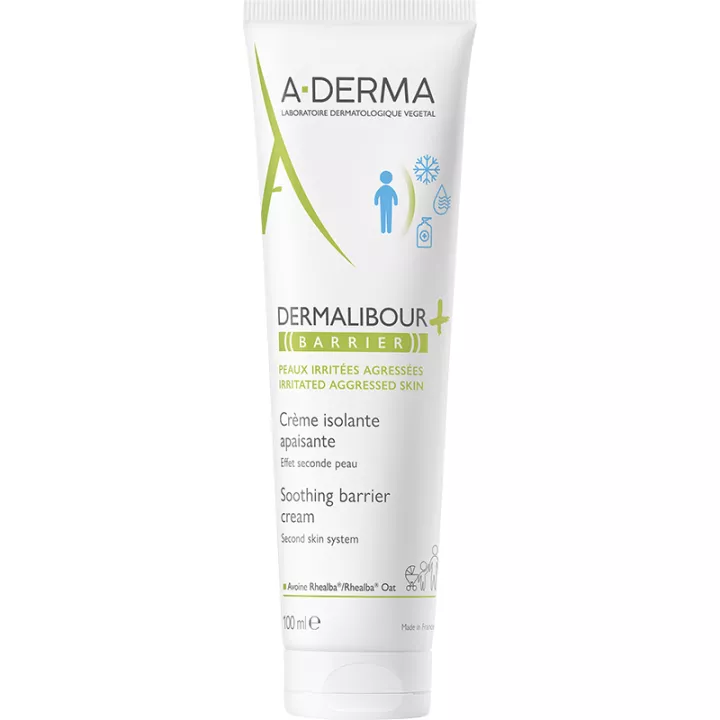
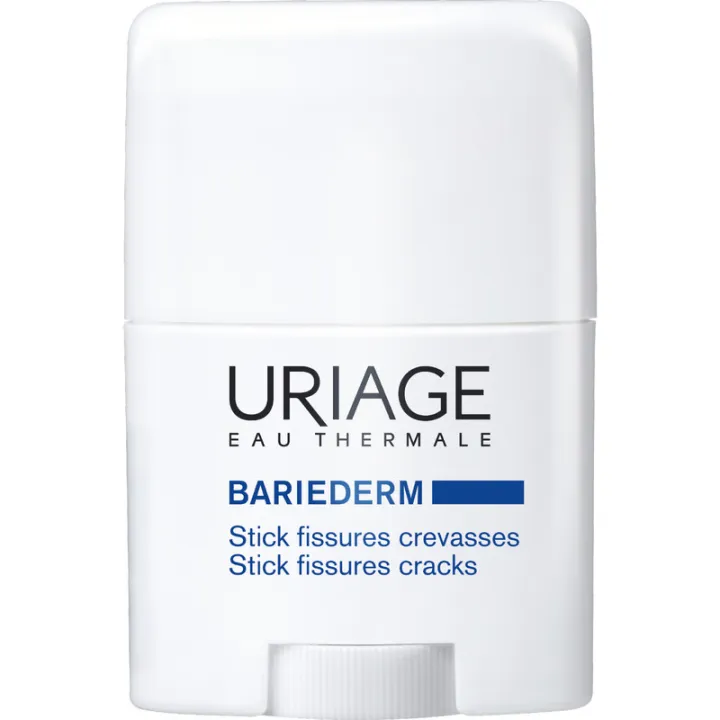
Uriage Bariéderm Isolating Barrier Cream is a fragrance-free cream formulated with the Poly-2P complex, a combination of two polymers that forms a semi-occlusive film on the skin’s surface. Plant-derived squalane, rapeseed phytosterols, and glycerin round out the formula. It is part of our body care line for irritated skin, specifically among barrier treatments that act as a shield between the skin and external irritants.
Its primary function is to insulate. It creates a “second skin” effect that shields the skin from mechanical friction—on the inner thighs as well as other sensitive areas—and from external aggressors such as wind, water, or cold. The Poly-2P complex also helps limit the penetration of irritants through this film.
It insulates, repairs, and protects: beyond this surface barrier, it helps strengthen and protect the skin’s barrier. Plant-based squalane contributes to this, while glycerin moisturizes the skin and helps maintain its hydration. Its breathable protective film remains resistant to water and sweat, with a non-greasy, non-sticky finish that allows you to get dressed quickly after application.
It’s designed for days when the skin is under the most stress: prolonged physical exertion, heat that causes sweating under clothing, or repetitive work-related movements. Dermatologically tested, it’s suitable for both professionals and athletes. It ’s suitable for the whole family from birth onward, so a single tube can be used by everyone in the household.
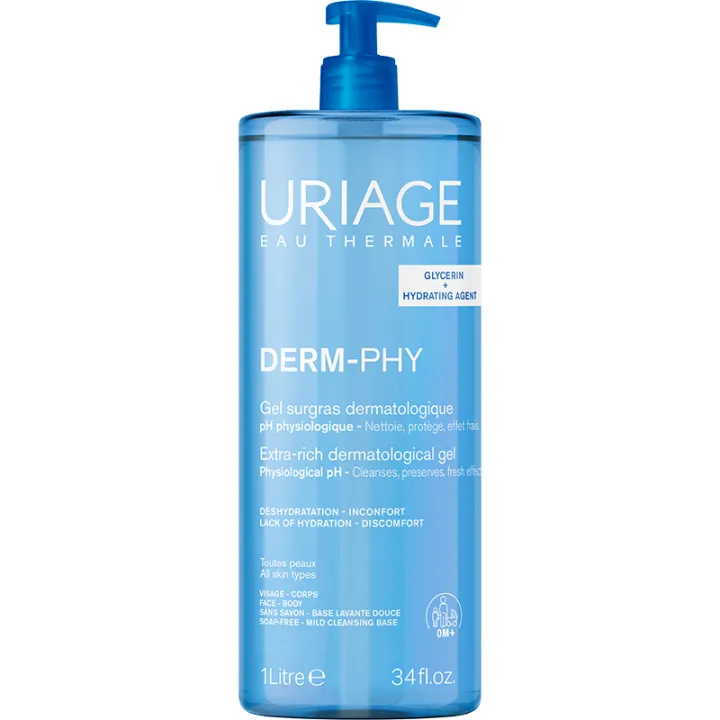
Protection begins right at bath time: a cleanser that’s too harsh weakens the skin barrier, which the cream then helps to protect. For this, we recommend Uriage Derm-Phy Ultra-Moisturizing Shower Gel, a soap-free cleanser with a physiological pH, enriched with glycerin. It cleanses while protecting the skin from drying out: the barrier cream is then applied to skin that has retained its comfort, rather than having to compensate for the effects of washing.
How do you apply this insulating barrier cream?
Directions for Use
Apply twice daily to healthy skin only.
Share your feedback on the usage instructions and dosage for Uriage Bariéderm Isolating Barrier Cream with our partner “Verified Reviews” after your purchase.
Precautions
- For external use on the skin only. Do not swallow.
- Avoid contact with the eyes. In case of contact, rinse immediately and thoroughly with clean water.
- Do not apply to broken skin: wounds, open cracks, burns, or raw, oozing areas.
- Do not use if you have a known allergy to any of the ingredients.
- Irritation on the inner thighs or in a skin fold that becomes painful, oozes, or does not improve may develop into a fungal infection or a minor infection: consult a pharmacist or doctor.
- If redness, tingling, or a burning sensation occurs after application, discontinue use and rinse with clean water. If the discomfort persists, consult a doctor.
- Keep the tube tightly closed and away from heat. Keep out of reach of children.
What are the ingredients in this fragrance-free barrier cream?
Ingredients
Aqua (Water, Eau), Hydrogenated Polydecene, Octyldodecanol, Cetyl PEG/PPG-10/1 Dimethicone, Butylene Glycol, Stearyl Dimethicone, Glycerin, PVP, Squalane, Magnesium Sulfate, Brassica Campestris (Rapeseed) Sterols, Dimethicone, Hydroxyacetophenone, Chlorphenesin, o-Cymen-5-ol, Polyquaternium-51, Pentaerythrityl Tetra-di-t-butyl Hydroxyhydrocinnamate.
Packaging
75 ml tube.
Our expert advice on Uriage Bariéderm Insulating Barrier Cream
The key factor that determines everything comes into play before the first application: the condition of the affected area. This cream protects skin that’s still intact; it doesn’t repair skin that’s already raw. When a customer comes to the counter with red, burning inner thighs after a day of walking, applying the barrier cream isn’t the first step: we first apply a soothing treatment to the damaged skin; then, once the area has healed, the protective cream is reapplied to prevent the problem from recurring.
Nor does it address the cause of the chafing. A seam that presses against the skin, synthetic fabric that traps sweat, or a bag that rubs against the hip will continue to cause irritation even under the protective layer. Opt for cotton against exposed areas, then carefully dry the folds after showering or swimming by patting rather than rubbing: skin that remains damp in a fold heats up more quickly with the next instance of friction.
FAQ
Can Uriage Bariéderm Insulating Barrier Cream help with thigh chafing when I walk or exercise?
Yes, that’s one of its main uses. It protects the skin from friction caused by walking, running, or cycling by forming a film between the inner thighs. For best results, apply a thin, evenly spread layer over the entire contact area.
Can I use Uriage Bariéderm Insulating Barrier Cream on areas other than my thighs?
Yes. It can be applied to any areas of skin subject to repeated friction: feet in new shoes or sandals, the chest, and the arms. Friction from a shoulder strap, a backpack, or a sports strap falls under the same principle of surface protection.
Can I apply Uriage Bariéderm Insulating Barrier Cream to my face and hands?
Yes. It can be used on the face, body, and hands. On the face, it should be reserved for sensitive areas rather than the entire face. On the hands, it’s ideal for people who frequently have their hands in water or in contact with household cleaning products.
Should I apply Uriage Bariéderm Insulating Barrier Cream before or after rubbing?
Before. A barrier cream works by acting as a barrier between the skin and whatever is causing friction: it only protects the skin if it’s already applied. When applied before a long walk, a bike ride, or a day spent wearing a dress in hot weather, it has time to form a protective film before any friction occurs.
Do I need Uriage Bariéderm Insulating Barrier Cream if I’m not overweight?
That may be the case. Thigh chafing affects people of all body types, especially in the summer or during a long walk: heat, sweat, and shorter clothing increase direct contact between the two areas of skin. Body shape matters more than body weight.