When should you take this marine DHA for brain and vision health?
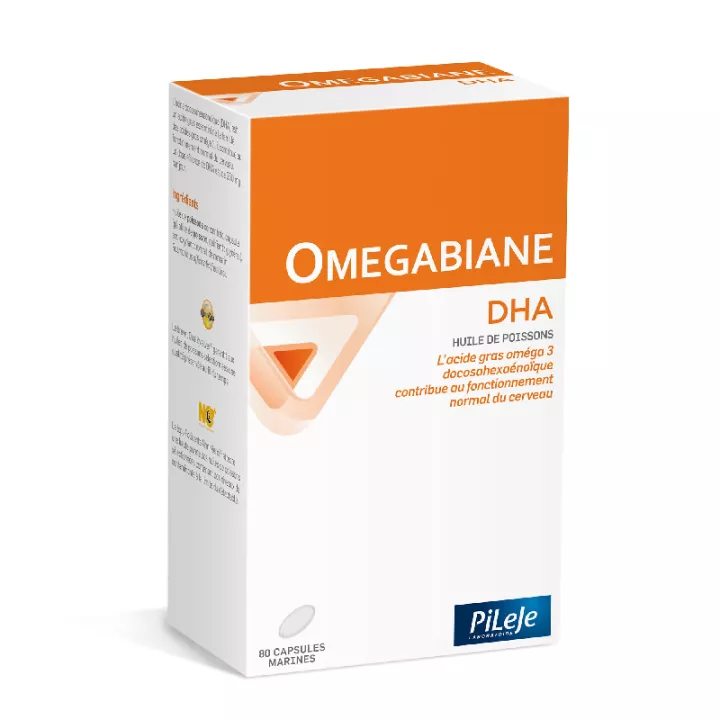
Oxyprolane Omega-3 Brain & Vision is a dietary supplement in capsule form that provides DHA (docosahexaenoic acid) derived from concentrated Epax® fish oil. DHA is a long-chain omega-3 fatty acid and a major component of brain and retinal cell membranes. Among our omega-3 dietary supplements, this formula stands out for its high DHA concentration: EPA, the other marine omega-3, is present only in small amounts.
DHA supports normal brain function. This formula is primarily intended for people who eat little fatty fish: sardines, mackerel, herring, or salmon rarely appear on their menus, even though these fish are the main dietary source of DHA.
DHA helps maintain normal vision. For both of these claims, the beneficial effect is achieved through daily consumption of 250 mg of DHA, which is equivalent to the amount in a single capsule. The capsule is therefore ideal for those who put a lot of strain on their eyes—whether due to studying, prolonged screen time, or sustained intellectual activity.
DHA is incorporated into cell membranes over the course of several weeks; therefore, the formula should be taken regularly as part of a three-month course—which can be repeated—rather than intermittently. It’s ideal for busy periods—such as exam preparation or the start of the fall semester—as well as for those who rarely cook fish and are looking for a long-term solution. Its oil is protected from oxidation by tocopherols and rosemary extract, which preserve the freshness of its fatty acids.
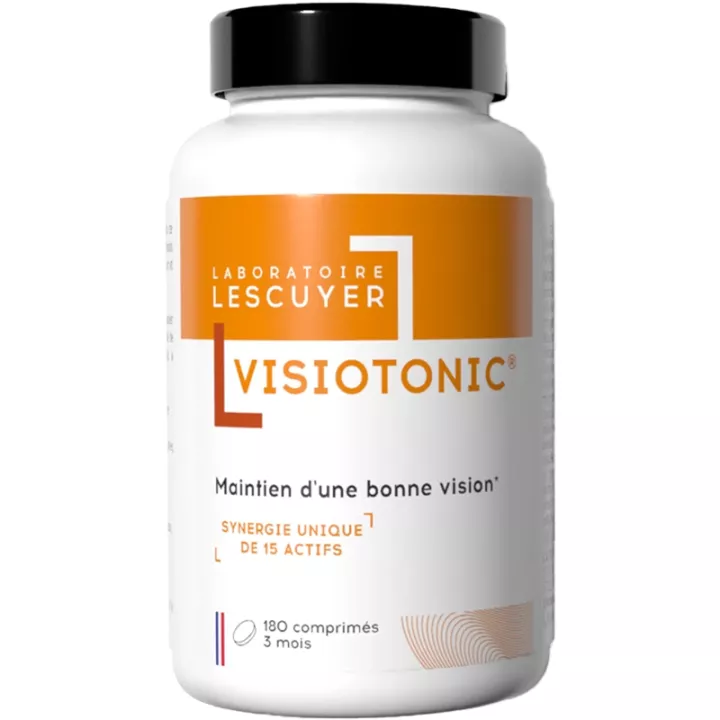
The formula does not contain any vitamins or minerals specifically for eye health. However, riboflavin helps maintain normal vision. For this reason, we recommend Lescuyer Visiotonic, which combines vitamin B2, zinc, lutein, zeaxanthin, and blueberry and blackcurrant extracts in two daily tablets: it complements the DHA in this capsule with nutrients and pigments that it does not contain, without adding omega-3.
How should you take these DHA capsules?
Directions for Use
Take 1 capsule daily with a glass of water, preferably in the morning with breakfast.
Share your feedback on the usage instructions and dosage of Oxyprolane Omega-3 Brain & Vision with our partner “Verified Reviews” after your purchase.
Precautions
- For adults and adolescents 15 years of age and older only.
- Contains fish (oil and capsule shell): do not consume if you are allergic to fish.
- Not recommended for people with blood clotting disorders or those taking anticoagulant medication.
- Antiplatelet therapy (low-dose aspirin, clopidogrel, etc.): Consult your doctor before starting, as omega-3s may prolong bleeding time.
- Scheduled surgery or invasive dental procedures: Inform your surgeon or dentist that you are taking this supplement.
- Pregnant or breastfeeding women: Consult your doctor or midwife before starting, especially if you have already been advised to take another DHA supplement.
- Do not combine with any other supplement containing omega-3s (fish oil, krill oil, algae oil, cod liver oil, or multivitamins enriched with omega-3s) without consulting a healthcare professional.
- Belching, a fishy taste, or digestive discomfort may occur: if symptoms persist, stop taking the product and consult your pharmacist.
- Do not exceed the recommended daily dose.
- Dietary supplements should be used as part of a healthy lifestyle and are not a substitute for a varied and balanced diet.
- Store in a cool, dry place, away from heat. Keep out of reach of young children.
What are the ingredients in this Epax omega-3 supplement?
Ingredients
Epax® fish oil, Antioxidant: mixed tocopherols, Capsule shell: fish gelatin, Humectant: glycerol, Antioxidant: organic rosemary extract.
Nutritional Values of Oxyprolane Omega-3 Brain & Vision
| Composition | Per 1 capsule |
|---|
| Epax® fish oil | 500 mg |
| Omega-3 | 290 mg |
| of which DHA | 250 mg |
| of which EPA | 19 mg |
Packaging
Pill bottle containing 60 capsules, enough for 2 months at a dose of one capsule per day.
Our expert advice on this DHA Oxyprolane for brain and vision
Before taking your first capsule, the key consideration isn’t the DHA but your prescription: be sure to review the section of our precautions regarding blood-thinning medications—this is the one that immediately rules out some of you. Next, check your medicine cabinet. Cod liver oil, a multivitamin “with omega-3,” or another DHA supplement can add up without you realizing it; just one capsule of this product already meets the threshold for its health claims.
As for timing, the recommended course lasts three months, while a pill organizer only covers two: plan on two boxes to complete the full course. Also, keep your expectations realistic. DHA supports a specific function; it’s no substitute for sleep or breaks from screen time: at the counter, we advise heavy screen users to regularly look away at a distant point—a simple action that no capsule can do for them.
FAQ
What is the difference between DHA and EPA in Oxyprolane Omega-3 Brain & Vision?
DHA and EPA are the two main long-chain omega-3 fatty acids found in fatty fish. DHA is the most abundant in the cell membranes of the brain and retina, which explains why its health claims focus on these two organs; EPA is present in much smaller quantities. Omega-3 formulas differ mainly in the ratio of the two: this one is concentrated in DHA, with EPA playing only a supporting role.
Can Oxyprolane Omega-3 Brain & Vision replace fatty fish in my diet?
No. Fish also provides protein, iodine, selenium, and—in the case of fatty fish—vitamin D. French dietary guidelines recommend consuming fish regularly, including fatty fish. The capsule serves as a supplement when these guidelines are not met, without claiming to replicate all the benefits of a fish meal.
Will Oxyprolane Omega-3 Brain & Vision make me gain weight?
The oil in one capsule contains about 4.5 kilocalories, plus a small amount of gelatin from the capsule shell. This is a negligible amount of energy over the course of a day and has no effect on weight.
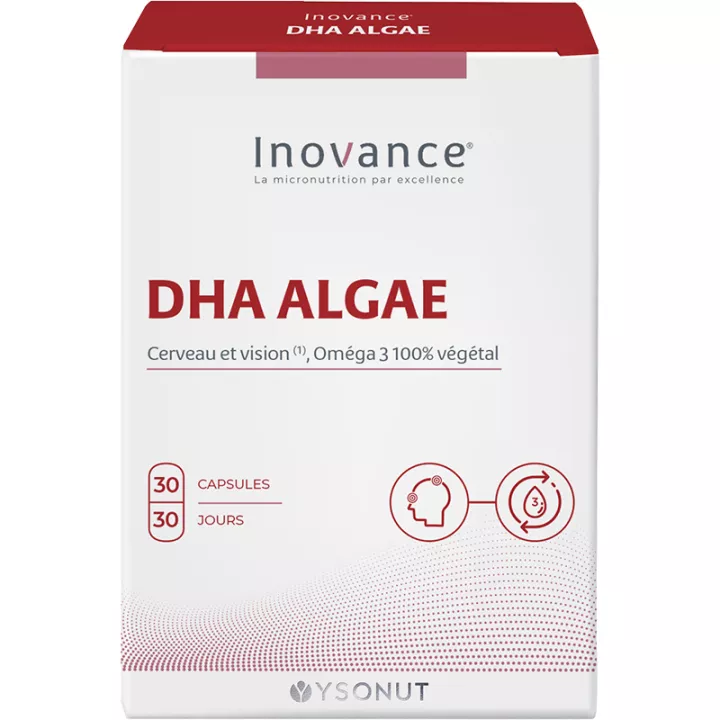
I’m a vegetarian: can I take Oxyprolane Omega-3 Brain & Vision, or should I choose an algae-based DHA supplement instead?
This formula is entirely derived from marine animals, including both the oil and the capsule shell; it is not suitable for a vegetarian or vegan diet. The DHA in fish actually comes from the microalgae they eat; some formulas extract it directly from these microalgae and offer an alternative for those who exclude fish from their diet.