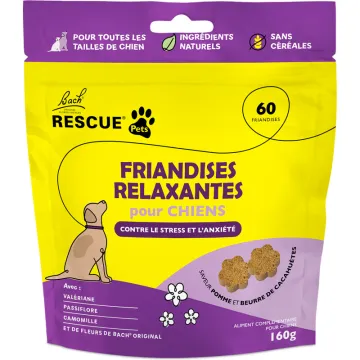
Functional pet treats are becoming an increasingly important part of the veterinary health store's product lineup. Designed for dogs and cats, they go beyond simple taste—they can provide targeted nutritional benefits for joints, immunity, oral health, and coat health. Explore our line of joint supplements for pets.
What is a functional pet treat?
A functional pet treat is a veterinary dietary supplement that incorporates health-promoting nutritional ingredients in an appetizing form. It differs from traditional treats in its enriched formulation, which may include vitamins, essential fatty acids, plant extracts, probiotics, or glucosamine. It must comply with regulations governing supplemental pet foods and clearly list its nutritional composition.
Joint-Support Treats: Active Ingredients and Indications?
Joint health is the primary indication for functional treats, particularly in aging dogs and cats.
- Key active ingredients: glucosamine, chondroitin, MSM, collagen—the same ingredients found in human supplements
- Indications: animals over 7 years of age, breeds predisposed to dysplasia, post-surgical recovery
- Omega-3 (EPA/DHA) combined for joint comfort and mobility
- Treat format: maximum palatability for animals that refuse tablets
- Find joint supplements available at veterinary pharmacies
Treats and oral hygiene?
Dental care for dogs and cats is a major use for functional treats.
- Chew treats with the right texture: mechanical action against dental plaque
- Enzymatic (glucose oxidase, lactoperoxidase) or plant-based active ingredients that reduce tartar buildup
- To be used as a supplement to tooth brushing—not a substitute for professional veterinary dental cleaning
- Size appropriate for the animal’s size — risk of swallowing whole if improperly sized
Treats and coat or immune system?
Treats enriched with micronutrients can support the animal’s coat, skin, and immune system.
- Omega-3 and 6 fatty acids (salmon oil, flaxseed oil): promote a shiny coat and skin comfort for animals with sensitive skin
- Biotin, zinc, and methionine: coat quality and strength
- Beta-glucans and prebiotics: support for the pet’s gut microbiome and associated immunity
- Hairball-prevention formulas for cats: psyllium and malt to facilitate the passage of ingested hair
How to Choose a High-Quality Functional Treat?
The quality of a functional treat is reflected in its composition and traceability.
- Transparent composition: a clear list of ingredients, with guaranteed active ingredient levels per serving
- No artificial colors, no chemical preservatives, no excessive added sugars
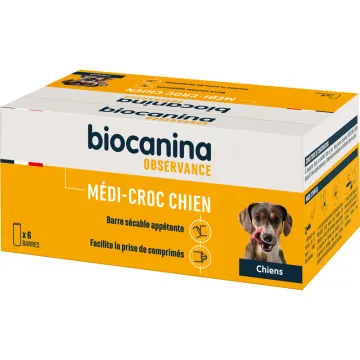
- Recognized veterinary brands: Virbac, Royal Canin, Biocanina, Beaphar — available at pet supply stores
- Hypoallergenic treats: alternative protein sources (duck, rabbit, fish) for sensitive pets
- Treats should not account for more than 10% of the pet’s daily caloric intake
Precautions for using functional treats?
A few safety guidelines to follow for safe use.
- Introduce any new treat gradually—monitor digestive reactions during the first few days
- Adjust the treat size to the pet’s size: small breeds are at risk of choking
- Animals undergoing veterinary treatment: notify the treating veterinarian of any supplemental feeding
- Animals with diabetes or kidney failure: choose specially formulated treats under veterinary supervision
- Foods to avoid at all costs: chocolate, grapes, onions, garlic, and xylitol—these are toxic to domestic carnivores