0
Menu

15 Essential Things to Know Before Getting a Tattoo

Filter
Number of products : 12
Sort
Sort
Close
Bepanthenderma Tatoo Special Tattoo Wash 200 ml Bepanthenderma Tatoo Special Tattoo Wash 200 ml
€8.99
Shipped within 24h
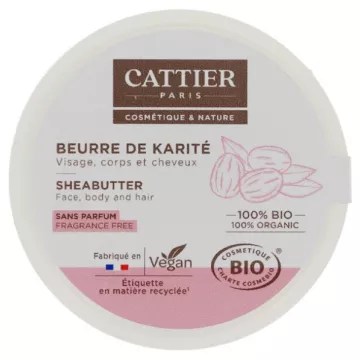
Cattier Shea Butter 100% Organic Cattier Shea Butter 100% Organic
100 g 20 g
€8.26
Add to cart
Shipped within 24h
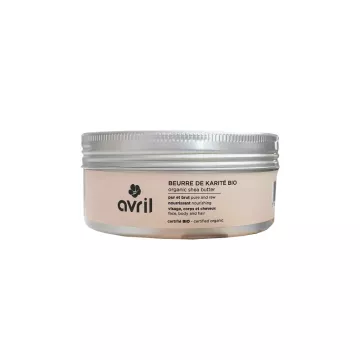
Avril Organic Shea Butter 230 ml Avril Organic Shea Butter 230 ml
€16.96
Shipped within 24h
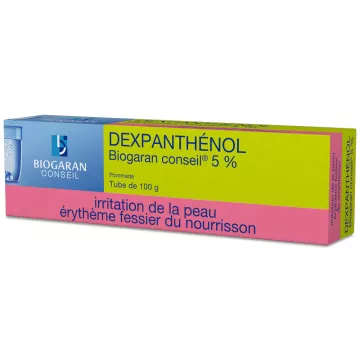
DEXPANTHENOL 5% BIOGARAN Ointment for Irritated Skin DEXPANTHENOL 5% BIOGARAN Ointment for Irritated Skin
€6.49
Shipped within 24h
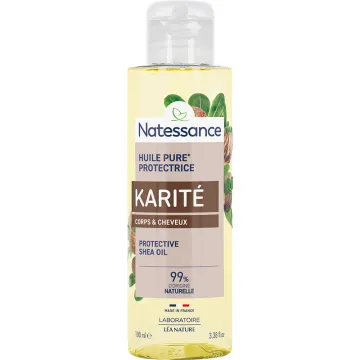
Natessance Protective Shea Butter Oil 100 ml Natessance Protective Shea Butter Oil 100 ml
€8.99
Shipped within 24h
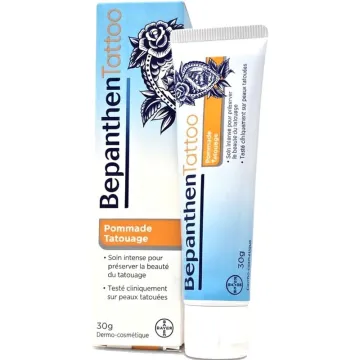
Bepanthen Tattoo Ointment 30 g Bepanthen Tattoo Ointment 30 g
€5.49
Shipped within 24h
Urgo Tattoo-Effect Protective Bandages, 16-pack Urgo Tattoo-Effect Protective Bandages, 16-pack
€5.39
Shipped within 24h
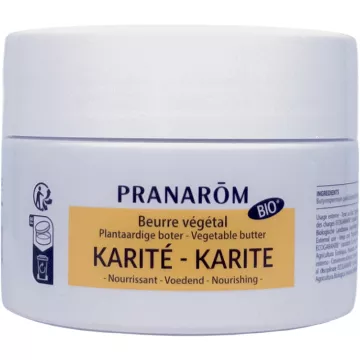
Pranarom Organic Shea Butter 100 ml Pranarom Organic Shea Butter 100 ml
€10.96
Shipped within 24h
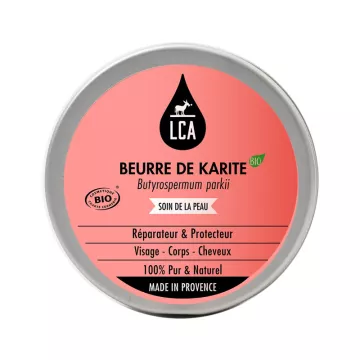
LCA Organic Shea Butter LCA Organic Shea Butter
€6.49
Shipped within 24h
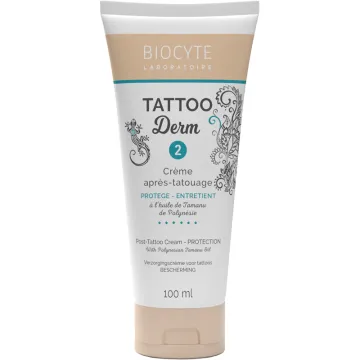
Biocyte Tattoo Derm 2 Post-Tattoo Protective Cream 100 ml Biocyte Tattoo Derm 2 Post-Tattoo Protective Cream 100 ml
€14.69
Shipped within 24h
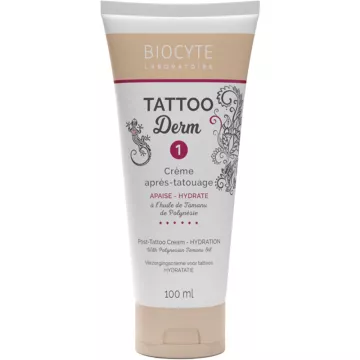
Biocyte Tattoo Derm 1 Wound Healing 100 ml Biocyte Tattoo Derm 1 Wound Healing 100 ml
€16.69
Shipped within 24h
Puressentiel Organic Shea Oil 100 ml Puressentiel Organic Shea Oil 100 ml
€9.40
Shipped within 24h

What is a tattoo, and how is it done?

A tattoo is a form of body art in which permanent ink is inserted into the top layer of the skin using needles. This process creates a permanent design or pattern on the skin. A qualified professional, often called a tattoo artist, uses a tattoo machine equipped with oscillating needles dipped in ink. These needles pierce the skin at a rapid and precise rate, depositing the ink into the dermis—the second layer of skin—which ensures the tattoo’s permanence.

What are the most popular tattoo styles?

Tattoo styles vary widely, often reflecting cultural, personal, or artistic influences. Among the most popular are:

  • Traditional tattoos, characterized by thick lines and bright colors.
  • Realistic tattoos, where designs aim to mimic reality with great attention to detail.
  • Tribal tattoos, which use black patterns and geometric or organic shapes to create meaningful designs.
  • Japanese tattoos (Irezumi), known for their large, colorful designs, often depicting koi carp, dragons, and scenes from Japanese mythology.

What precautions should you take before getting a tattoo?

It is crucial to take several precautions before getting a tattoo:

  1. Choose a reputable studio: Make sure the studio meets all hygiene and safety standards, and that the tattoo artist is properly certified.
  2. Consider the placement and size of the tattoo: Certain areas of the body, such as the ribs or ankles, may be more painful.
  3. Assess allergy risks: Get a patch test to check for any reactions to the tattoo ink.
  4. Follow pre-tattoo care instructions: Avoid alcohol and drugs, and make sure you’re well-rested and hydrated.

How do you care for your tattoo after it’s done?

Post-tattoo care is essential to ensure proper healing and preserve the quality of the design:

  • Moisturize regularly: Apply a suitable moisturizer to keep the skin supple and hydrated.
  • Avoid the sun: Protect the tattoo from the sun to prevent fading caused by UV rays.
  • Don’t scratch: During the healing process, the skin may itch, but it’s important not to scratch the tattoo.
  • Follow your tattoo artist’s instructions: Carefully follow the post-tattoo care instructions provided by your tattoo artist.

What are the possible risks of getting a tattoo?

Although tattooing is generally safe when performed by a professional, there are risks:

  • Infections: Unsterilized equipment can transmit infections such as hepatitis or HIV.
  • Allergic reactions: Some inks contain metals that can cause allergic reactions.
  • Skin problems: Cysts or scars may form around the tattoo ink.

When is the best time of year to get a tattoo?

It’s recommended to get a tattoo during seasons with less sunlight, such as fall or winter. These times of year allow for better healing, since the skin is less exposed to UV rays, which is crucial for preventing the tattoo from fading. In addition, wearing more covering clothing helps protect the tattoo from external irritants, promoting optimal healing.

How long does it take for a tattoo to heal completely?

The healing process for a tattoo can vary depending on its size, the complexity of the design, and the care taken. Generally, the skin surface heals within 2 to 3 weeks, while complete healing can take up to 6 months. During this time, it’s essential to follow post-tattoo care recommendations to prevent infections and ensure the tattoo retains its vibrancy and definition.

Can a tattoo be removed? What methods are available?

Yes, a tattoo can be removed, although this process is often costly and painful. The most common methods include:

  • Laser tattoo removal, which uses laser pulses to break down the tattoo ink so it can be absorbed and eliminated naturally by the body.
  • Surgical treatments, such as excision, where the tattoo is physically cut out of the skin.
  • Tattoo removal creams, althoughthese are less effective and do not guarantee complete removal of the ink.

Can you get a tattoo over another tattoo?

Yes, it is possible to get a tattoo over another tattoo, a practice often called a “cover-up.” This technique is used to correct or update an old tattoo. A skilled tattoo artist can design a new tattoo that creatively incorporates or conceals the old one. However, the success of this method depends on the size, colors, and complexity of the designs involved.

How do I choose the right tattoo artist?

Choosing the right tattoo artist is crucial to ensuring the quality and safety of your tattoo. Here are a few tips for selecting a skilled professional:

  • Look at the tattoo artist’s portfolio: This will give you a good idea of their style and the quality of their work.
  • Check reviews and recommendations: Look for online reviews or ask friends for recommendations.
  • Check the studio’s certifications and hygiene standards: Make sure the studio is clean and that the tattoo artist follows all health regulations.
  • Discuss your design: A good tattoo artist should listen to your ideas and be able to offer effective advice.