What types of hair straighteners are available on the market?
There are three main types of hair straighteners: ceramic, titanium, and tourmaline. Ceramic straighteners provide even heat distribution and are perfect for daily use, helping to prevent excessive damage to the hair. Titanium flat irons heat up quickly and are ideal for thick and curly hair, thanks to their ability to maintain a high temperature. Finally, tourmaline flat irons emit negative ions that reduce static electricity and frizz, leaving hair smoother and shinier.
How do I choose the best hair straightener for my hair type?
You should choose a hair straightener based on your hair type. For fine or fragile hair, a ceramic straightener is best because it reduces the risk of heat damage. Thick or curly hair will benefit more from a titanium straightener, which can reach the higher temperatures needed to straighten even the most unruly strands. For those with damaged or chemically treated hair, opt for a tourmaline straightener to minimize frizz and enhance shine.
What temperature should I use to straighten my hair effectively?
The ideal temperature depends on your hair type. In general, a temperature of 150–180°C is suitable for fine hair, while normal hair can be effectively straightened at 180–210°C. For thick or very curly hair, temperatures around 210–230°C are often recommended. It’s crucial to start with a low temperature and gradually increase it to find the optimal setting without damaging your hair.
What are the best practices for using a flat iron?
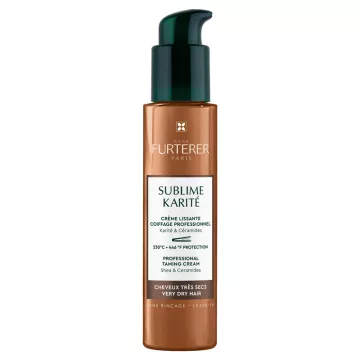
To achieve the best results and maintain the health of your hair, it’s recommended to wash and dry your hair completely before straightening it. Apply a heat protectant to minimize heat damage. Divide your hair into manageable sections and run the straightener slowly from the roots to the ends, without lingering too long on any one section to avoid burns.
How often can I use my hair straightener without damaging my hair?
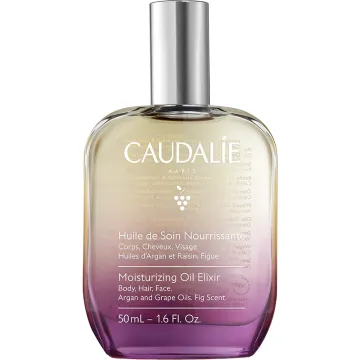
Frequent use of a straightener can be damaging, even with proper precautions. It’s recommended to limit straightener use to two or three times a week, making sure to use a serum or nourishing treatment after each use to maintain your hair’s moisture and vitality.
How do I clean my hair straightener to extend its lifespan?
To keep your straightener in top condition and extend its lifespan, it’s essential to clean it regularly. Make sure the device is turned off and completely cool before you start cleaning. Use a soft, slightly damp cloth to clean the plates. Avoid using harsh chemicals that could damage the plates or the device. For stubborn residue, you can use a mixture of warm water and baking soda to clean gently without scratching the surfaces. Dry the straightener thoroughly with another dry cloth before storing it.
Can hair straighteners be used on wet hair?
It is generally not recommended to use a hair straightener on wet or even damp hair. Applying high heat to wet hair can cause immediate and significant damage, such as breakage or split ends. Hair straighteners are designed to be used on completely dry hair. If you’re in a hurry, use a hair dryer to dry your hair before straightening to ensure a safe and effective styling experience.
Can you use a flat iron to create curls?
Yes, flat irons can be used to create curls. Choose a straightener with rounded edges to make it easier to create curls. To curl your hair with a straightener, wrap a strand around the plates, then slowly slide the straightener from the roots to the ends while gently twisting it. This technique takes a little practice, but once mastered, it allows you to switch between straight hair and curls without needing any additional tools.
How important is the size of the plates on a straightener?
The size of a straightener’s plates plays a crucial role depending on your hair type and the desired hairstyle. Wide plates, typically between 4 and 5 cm, are ideal for long, thick hair because they allow you to straighten large sections more quickly. Narrow plates, often around 2.5 cm, are better suited for short hair or for hairstyles requiring more precision, such as straightening near the roots or around the face.
What are the risks associated with frequent use of a flat iron, and how can they be minimized?
Frequent use of a flat iron can cause heat damage, such as dryness, breakage, and dullness. To minimize these risks, it’s essential to use a heat protectant before each use. This product creates a protective barrier between the hot plates and your hair. Additionally, it’s advisable not to overheat the plates and to choose the lowest effective temperature for your hair type. Finally, incorporate nourishing and moisturizing hair treatments into your hair care routine to help repair and prevent future damage.