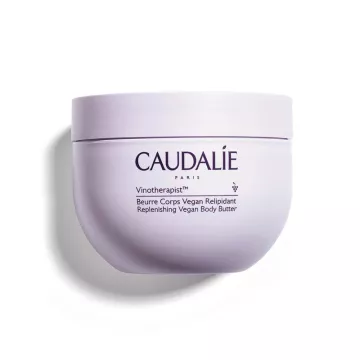
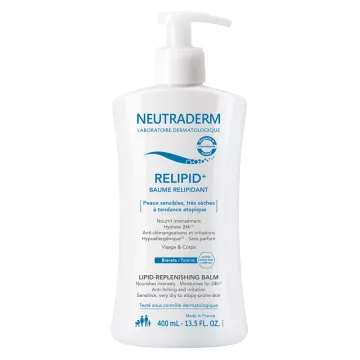
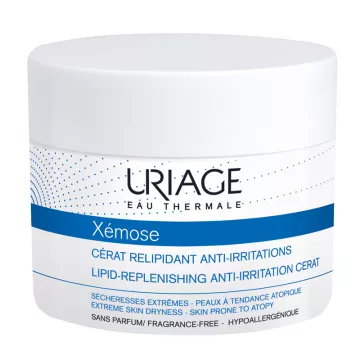
What is “Relipider” and how does it work?
Relipider is an essential component in the field of dermatological care. This term often refers to products or treatments designed to restore the skin’s lipid barrier, which is crucial for maintaining hydration, protecting against pathogens, and reducing skin sensitivity. The relipidation process involves applying substances that mimic or stimulate the production of the epidermis’s natural lipids, thereby improving the skin’s integrity and resilience.
Why is lipid replenishment important for skin health?
The skin’s lipid barrier plays a vital protective role by preventing excessive water loss and blocking the entry of harmful microorganisms and environmental toxins. When this barrier is damaged, the skin can become dry, irritated, and more susceptible to infections. Lipid replenishment is therefore crucial for restoring the skin’s balance and protective function, contributing to a healthy appearance and a comfortable feeling.
What types of products are used to replenish the skin’s lipids?
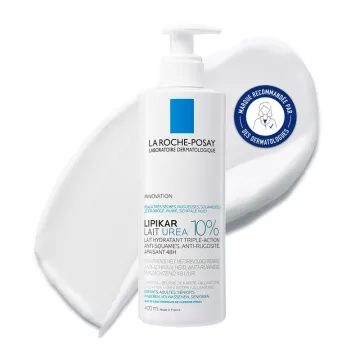
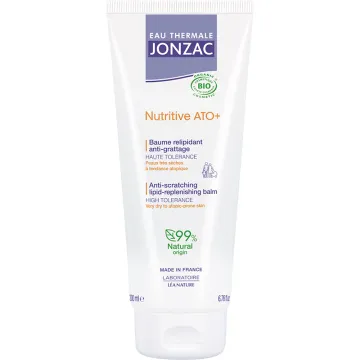
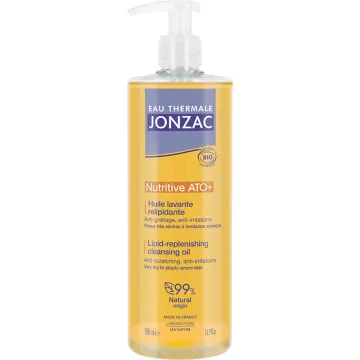
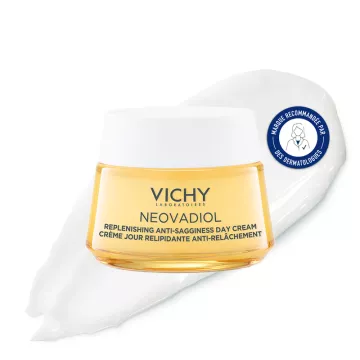
Products designed to restore the skin’s lipid barrier typically include creams, balms, and oils enriched with lipid components such as ceramides, essential fatty acids, and cholesterol. These ingredients are selected for their ability to strengthen the skin barrier, thereby promoting long-lasting hydration and protecting against irritation.
How do you choose the right lipid-replenishing product?
Choosing a lipid-replenishing product depends mainly on your skin type and the specific condition you’re treating. It’s recommended that you consult a dermatologist for an accurate diagnosis and personalized recommendation. In general, products labeled as non-comedogenic and free of added fragrances are preferable to avoid irritating sensitive skin.
What are the benefits of well-replenished skin?
Properly moisturized skin offers several benefits, including reduced dryness, less itching and irritation, and improved elasticity and softness. In addition, a healthy skin barrier can effectively defend against external aggressors, reducing the risk of skin inflammation and infections.
Are there any side effects associated with lipid-replenishing products?
In general, products designed to restore the skin’s lipid barrier are well tolerated by most users. However, as with any skincare product, allergic reactions or irritation are possible, especially if the product contains ingredients to which the user is sensitive. It is advisable to perform a patch test before using a new product regularly.
How can you tell if your skin needs lipid replenishment?
Skin that needs lipid replenishment may show several signs, such as excessive dryness, flaking, roughness, and a tight feeling. Other symptoms include increased reactivity to environmental factors, such as cold or pollution, and a tendency to flush more easily. If you notice these signs, it is advisable to consider specific skincare products to help restore the skin’s lipid barrier.
How often should you apply lipid-replenishing products?
How often you should apply lipid-replenishing products depends on how dry and sensitive your skin is. As a general rule, it’s recommended to apply these products at least once a day, especially after a bath or shower, when the skin is still slightly damp to better lock in moisture. For extremely dry skin or in harsh weather conditions, application in the morning and evening may be necessary.
Are lipid-replenishing products suitable for all skin types?
Although lipid-replenishing products are primarily designed for dry and damaged skin, they can benefit all skin types by helping to prevent damage to the skin barrier. For oily or combination skin, it’s best to choose lightweight, non-comedogenic formulas to avoid clogging pores while still providing the necessary hydration and protection.
Can lipid replenishment be combined with other dermatological treatments?
Yes, lipid replenishment can often be combined with other dermatological treatments, particularly those designed to treat acne, skin aging, or hyperpigmentation. However, it’s essential to consult a dermatologist to adjust your skincare routine so as not to overload the skin and to ensure that the products used are compatible and do not compromise the lipid barrier.
What ingredients should you look for in a good lipid-replenishing product?
For an effective lipid-replenishing product, look for ingredients such as ceramides, cholesterol, and essential fatty acids like linoleic acid and linolenic acid. These components are essential for mimicking and supporting the skin’s natural lipid composition. Other beneficial ingredients include squalane, shea butter, and jojoba oil, which help nourish the skin and strengthen its protective barrier.